
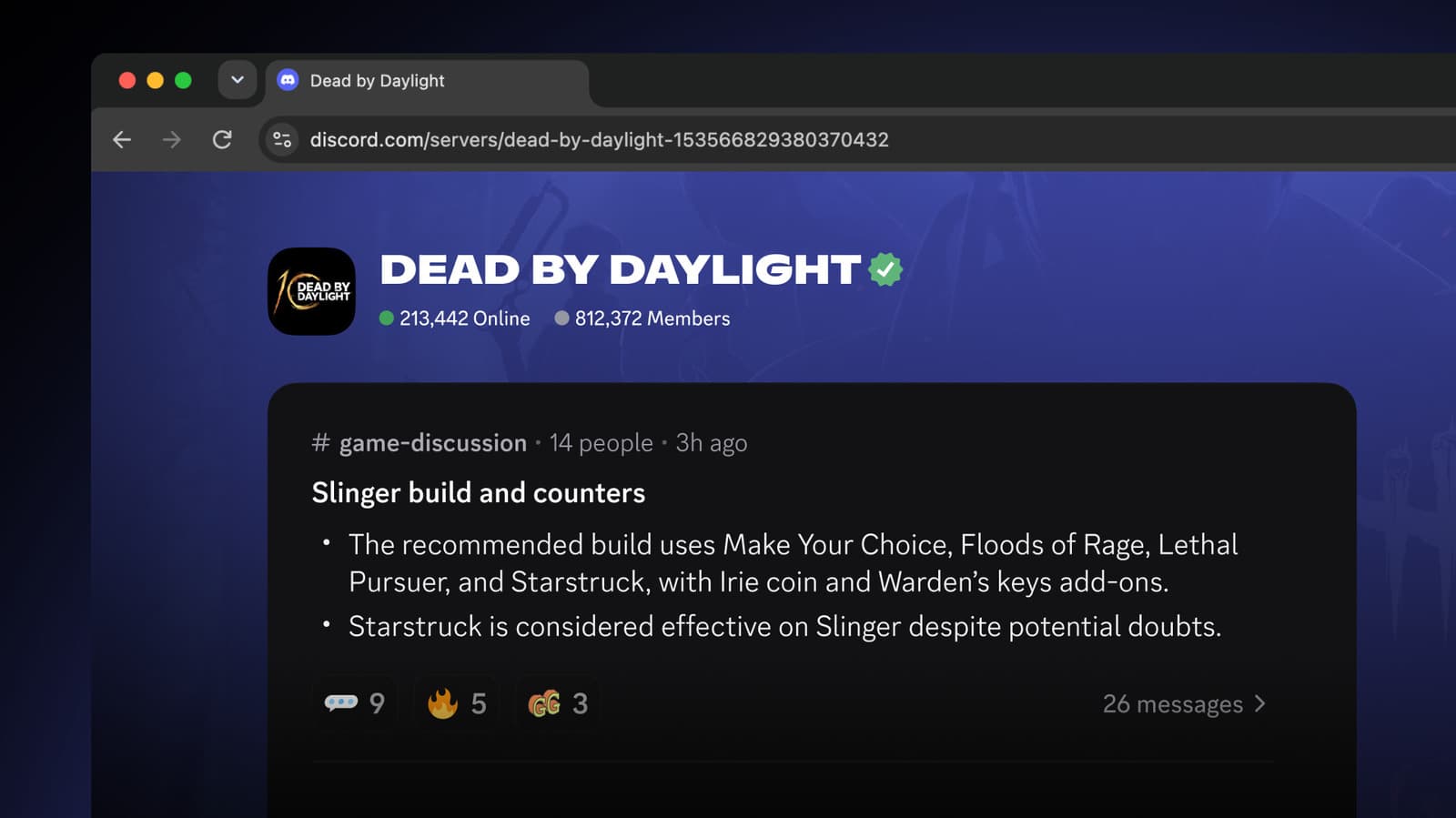
Messages shared in Discord’s public servers might soon show up in Google search results, according to reports from Engadget and Android Authority. Both sources mention that there’s a way to opt out. Here’s what this means for your Discord chats.
What Is Changing
Discord is a chat app where people connect in “servers,” which are themed group chat spaces often centered around games, hobbies, or creators. Some servers are private and require invitations, while others are public and can be found in Discord’s Discoverable Servers directory. Anyone can browse and join these.
According to Engadget, those Discoverable Servers are “about to get a lot more discoverable.” Android Authority describes this change as “a little more Google visibility, a little less privacy.” In simple terms, messages in a public server could be found through a standard Google search, not just within Discord.
Imagine a public server as a crowded cafe with large open windows. Anyone can stroll in and listen. When a search engine indexes content, it’s like putting snippets of that conversation on a billboard downtown.
By The Numbers
| Alphabet/Google at a Glance | |
|---|---|
| Company | Alphabet/Google |
| Ticker | GOOGL |
| Stock Price | $320.58 (+1.19%) |
| Sector | Big Tech |
| CEO | Sundar Pichai |
| Headquarters | Mountain View, CA |
| Founded | 1998 |
What This Means
Public means public, and now easier to find
If you only post in private, invite-only servers, the change affects public, discoverable servers. If you chat in a public server, your messages could be seen by people who never join, just by searching for a topic.
Old messages may matter more
People often type casually in chats. A joke, a personal detail, or a username tied to a comment can easily slip your mind. Once content becomes searchable, others can find, quote, or screenshot it. Even if you didn’t intend to publish anything, public chat can feel like a public post.
Server owners and members both have a stake
Communities focused on support topics, like health, mental wellness, or personal finance, might view outside visibility differently than a server dedicated to sharing game clips. Both reports confirm an opt-out exists, so you do have some control. It’s best to check the linked articles for the exact steps, as Discord’s settings can change as more users receive the rollout.
The upside
Searchable chat can also have benefits. Troubleshooting threads, game guides, and community Q&As that used to exist only within Discord could become easier to locate for those who need them. That’s the trade-off: broader access to useful information at the cost of losing that contained feeling within the community.
How To Protect Your Privacy
- Check your server type. If you manage or moderate a community, confirm whether it’s listed in Discoverable Servers.
- Look for the opt-out. Both sources say you can opt out. Follow the steps in the Android Authority guide or the Engadget report.
- Think before you post. In any public space, avoid sharing addresses, workplace details, or anything you wouldn’t want connected to your username.
Community Reaction
Right now, our sentiment tracking shows mixed reactions to this news, but we haven’t captured any verified Reddit or YouTube posts about it yet. We’ll add direct community quotes once they’re available instead of paraphrasing unverified posts.
What To Watch
- Official rollout details. Keep an eye out for Discord’s own announcement or support documentation regarding timing, which servers are affected, and how the opt-out works.
- Where results appear. Watch how Google displays Discord content once indexing kicks off, including whether usernames or just message text are visible.
- Opt-out clarity. Privacy settings only help if they’re easy to find. User reports on how straightforward the opt-out is will show whether it works in practice.
- Community response. Server owners might update their rules or visibility settings as this change rolls out to more communities.
For now, the main takeaway is clear. If you post in public Discord servers, treat those messages as if a stranger could eventually find them through a search. Use the opt-out if that makes you uncomfortable.

Daniel Park
Daniel Park covers AI, cloud infrastructure, and enterprise software for Explosion.com. A former software engineer who transitioned to technology journalism 5 years ago, Daniel brings technical depth to his reporting on artificial intelligence, startup funding rounds, and the companies building the future of computing. He breaks down complex AI developments and business strategies into clear, actionable insights for readers who want to understand how technology is reshaping industries.