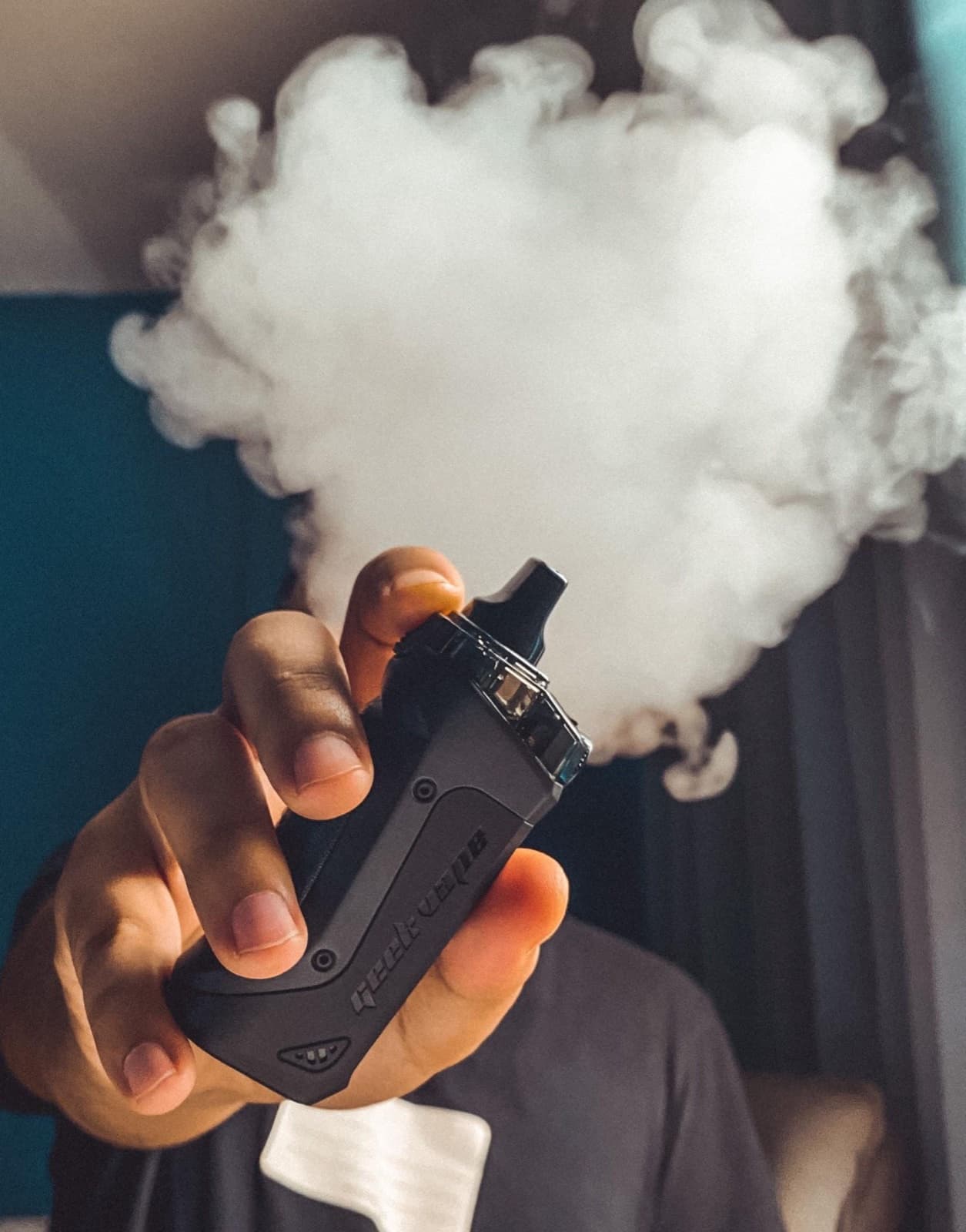
Selecting the ideal equipment for oil formulations requires balancing hardware design, material composition, and consumer preference. Different extract types need specific features to perform correctly. Understanding these details helps brands deliver a consistent experience every time.
Match Hardware to Oil Viscosity
Oil thickness plays a major role in choosing the correct setup. Thick concentrates like live resin or rosin require larger aperture holes to flow into the heating element. Thin distillates can handle smaller openings without risk of leaking.
Hardware failure often happens when oil viscosity does not align with hole size. If an aperture is too small, the heating element starves and burns the dry material. When an aperture is too wide, light oils flood the chamber and cause clogging.
Understand Heating Element Materials
The internal coil affects how heat transfers into the concentrate. Ceramic coils remain the top choice for maintaining pure flavor and even heat distribution. Standard metal coils work well for lower-budget applications but can scorch delicate terpenes.
Zirconia ceramic offers low thermal conductivity, which makes it ideal for protecting heat-sensitive oils. Using the proper material stops flavor degradation across long sessions. Users get a clean draw from the first puff to the last.
Explore Universal 510 Thread Options
The standard 510 threading style remains a universal benchmark across the entire industry. It offers maximum compatibility with standard consumer batteries. Brands often select this format to reach the broadest possible audience. It pays to buy empty oil cartridges in bulk to reduce costs while serving this large user base. Bulk purchasing secures steady stock levels during high demand periods. Businesses can easily match these standard units to various product lines.
Standard Sizes for 510 Hardware
- 0.5 ml capacity for premium extracts and live resin
- 1.0 ml capacity for everyday distillate options
- 2.0 ml capacity for high usage market demands
Consider Mouthpiece Designs and Materials
Mouthpieces come in various materials, including plastic, glass, wood, metal, and ceramic. Each option brings a different aesthetic and tactile feel to the finished product. The choice influences how consumers perceive overall product quality.
Heavy metal options provide a solid feel, while natural wood appeals to eco-conscious buyers. Ceramic tips match well with ceramic heating elements for a sleek look. Screw-on and press-on designs also dictate the assembly process during filling.
Prioritize Flavor Preservation Hardware
High-terpene extract products demand hardware that maintains subtle taste profiles. Ceramic and glass combinations work best to keep taste intact over time. These materials do not react with delicate compounds in the oil.
- Glass body designs prevent chemical interaction with volatile terpenes
- Full ceramic airways maintain low operating temperatures
- Leak-proof seals preserve aroma inside the chamber
Evaluate Airflow Systems for User Experience
Airflow design dictates the resistance a user feels during inhalation. Top airflow designs draw air down through the top cap to lower the chance of bottom leaks. Bottom airflow setups offer a more traditional draw resistance that many users prefer.
Adjustable airflow controls allow users to customize their experience based on personal taste. Tighter draws produce warmer, more concentrated vapor. Open airflow paths create cooler clouds and lighter hits.
Adapt Packaging and Hardware for Volume Filling
Large operations need hardware that fits automated filling equipment. Press-on mouthpieces speed up production lines compared to screw-on styles. Fast capping reduces exposure time to ambient air and dust.
Testing batch compatibility with capping machines prevents costly delays during manufacturing. Consistent dimensions across every unit keep production lines running smoothly. Choosing easy-to-fill designs lowers overall labor costs during large packaging runs.
Balancing Cost and Quality Across Product Lines
Offering tier options helps brands cover multiple market segments without diluting identity. Value lines can use durable plastic bodies with reliable ceramic coils. Premium offerings benefit from full glass construction and custom branding details.
Matching hardware specifications directly to product price points creates clear value for consumers. Top shelf concentrates deserve high end materials that reflect their quality. Standard products retain profitability by using cost effective, reliable components.
Verify Leak Resistance and Seal Integrity
Leak prevention is one of the most important factors when selecting hardware for oil formulations. High-quality cartridges use precision-engineered seals, silicone gaskets, and tight-fitting components to keep concentrates securely contained during storage, shipping, and everyday use. Reliable sealing protects both the product and the customer experience by minimizing waste and preventing messy failures.
Manufacturers should test hardware under different temperatures and storage conditions to ensure long-term performance. Oils can expand or become more fluid in warm environments, making poorly sealed cartridges more likely to leak. Choosing hardware with proven leak-resistant construction reduces product returns, preserves oil quality, and gives consumers greater confidence in the finished product.
Hardware choices shape the user experience and dictate how well an oil performs. Matching coil types, mouthpiece materials, and airflow styles to specific formulations ensures product stability. Choosing the right hardware keeps customers satisfied and builds brand loyalty over time.

Nick Guli
Nick Guli is the founder and editor-in-chief of Explosion.com, which he launched in February 2012. With over a decade of experience in digital publishing, Nick oversees editorial direction across entertainment, gaming, technology, and lifestyle content. He is an avid gamer and movie enthusiast who brings a critical eye to coverage of industry trends, game reviews, and entertainment news.