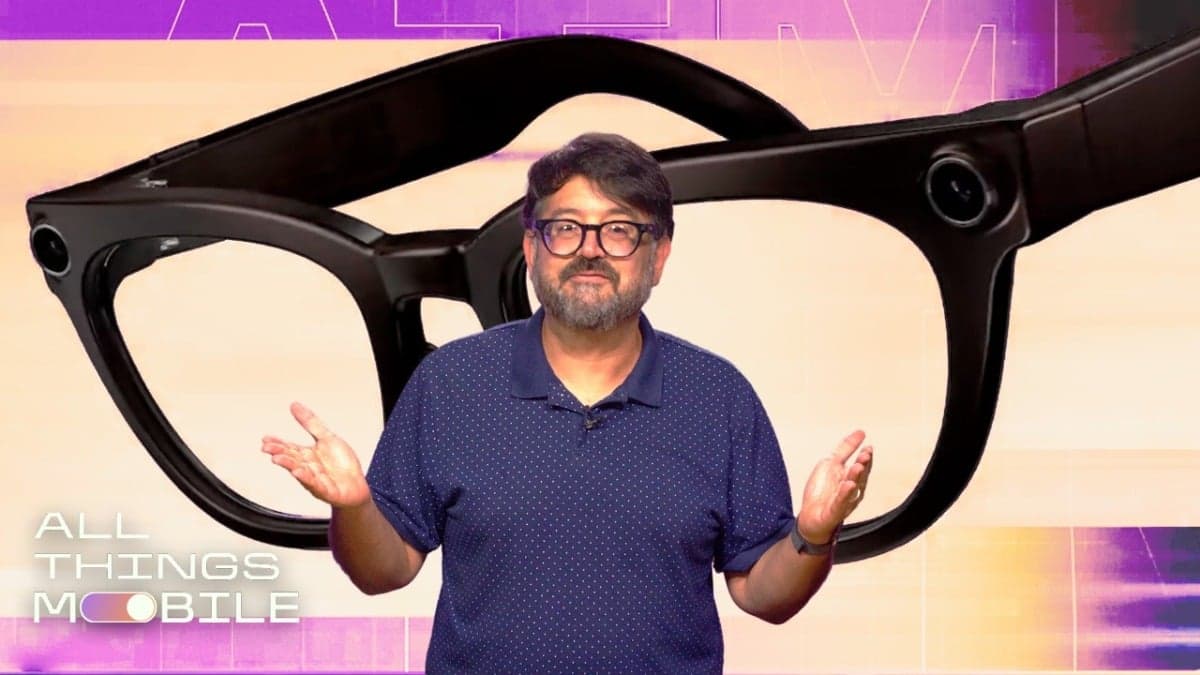
Samsung is gearing up to launch its first smart glasses, a device that will run on Android XR, Google’s extended reality operating system. These glasses promise to deliver AI-assisted features right in front of your eyes. Here’s what we know about their functionality and why privacy advocates are already concerned.
| Samsung — By The Numbers | |
|---|---|
| Ticker | 005930.KS |
| Stock Price | ₩231,000 (+0.22%) |
| CEO | Jong-Hee Han |
| Headquarters | Seoul, South Korea |
| Founded | 1938 |
| Sector | Hardware |
What Are Samsung’s Smart Glasses?
Picture these glasses as the next evolution of smartwatches. They’ll be worn all day and will see what you see, hear what you hear, and interact with an AI assistant built into them. Unlike Samsung’s Galaxy Ring or Galaxy Watch, which monitor health data, these glasses will engage with your surroundings in real time.
Powered by Android XR, these glasses will shrink down the same software that runs Samsung’s Galaxy XR headset, making it wearable for everyday outings without making you look like you’re about to take off into space.
How They’ll Actually Work
Cameras and AI on Your Face
These glasses are likely to have at least one outward-facing camera. It will provide a live view of your surroundings to an AI, either on the device or in the cloud. If you glance at a restaurant menu, the assistant might translate it for you. Walk by a landmark, and it could offer a brief history lesson. The goal is for your glasses to overlay useful information onto your real-world view.
This setup is sometimes called “agentic.” It means the AI doesn’t just answer your questions; it can also take actions for you. For instance, it might draft a reply to a text you’re reading or add an event to your calendar after you mention it aloud.
Audio Without Earbuds
The glasses are expected to come with open-ear speakers integrated into the frame, much like Meta’s Ray-Ban smart glasses. This design allows audio to play near your ear without completely blocking outside sounds. You can take calls, hear navigation prompts, or listen to music while staying aware of your surroundings.
Android XR and Google Integration
Running on Android XR means these glasses will seamlessly connect with Google services like Maps, Translate, Gemini (Google’s AI assistant), and Google Lens (which identifies objects, text, and places through your camera). For Galaxy phone users, the glasses should also sync with Samsung’s apps, including Samsung Health and Samsung Wallet.
The Privacy Question Nobody Has Fully Answered
Wearable cameras have a complex past. Google Glass — the tech giant’s 2013 foray into smart eyewear — faced backlash because it made people uneasy about being recorded in public without visible indicators. If someone’s near you, they can’t tell if you’re filming them, leading to social friction.
Samsung and Google haven’t confirmed what privacy protections will be included in the glasses. This includes features like indicator lights for when the camera’s active and restrictions on data storage. Mashable notes that these concerns remain unresolved as the hardware gets closer to launch.
CNET points out that it’s still uncertain whether Samsung and Google have found a solid solution to the privacy issues that have troubled other smart glasses makers.
What This Means
For everyday users, Samsung’s smart glasses might prove handy in situations where pulling out your phone isn’t practical — like navigating on foot, translating signs while abroad, or getting reminders without staring at a screen. If the AI performs well and the battery lasts all day, that could truly enhance quality of life.
However, there’s a significant shift: your glasses will act as a data-collecting device you wear on your face. Everything you see, every conversation nearby, and everything captured by the camera could feed into AI systems. Whether people find this acceptable will likely vary widely, especially with different privacy laws across countries.
This represents a big gamble for Samsung. Meta has found success with its Ray-Ban smart glasses, which sold out multiple times since their launch in 2023. Samsung is entering a market that has shown strong consumer interest, but the expectations for design, battery life, and social acceptance are high.
Community Reactions
“The Ray-Bans already feel borderline uncomfortable to wear around people who don’t know what they are. Samsung’s version will face the same issue until there’s some kind of universal signal that a camera is on.”
“If these actually work with Google Maps turn-by-turn in your glasses while you walk, I’m buying day one. That alone is worth it.”
What To Watch
- Samsung Unpacked events: Samsung usually unveils major new hardware during its Unpacked events. Experts predict a formal announcement for the smart glasses in the second half of 2026.
- Privacy framework announcements: Any news from Samsung or Google regarding how they handle camera data will be crucial in determining their commitment to addressing privacy concerns.
- Android XR developer activity: As developers create apps for Android XR, we’ll gain a clearer understanding of the glasses’ capabilities at launch versus what’s promised for later.
- Regulatory response: Lawmakers in the EU and U.S. are increasingly scrutinizing wearable cameras in public spaces. New regulations could affect what features Samsung can include in key markets.

Maya Torres
Maya Torres is the Consumer Tech Editor at Explosion.com with 7 years covering product launches for major technology publications. She has reviewed over 300 devices across smartphones, laptops, wearables, and smart home products. Maya specializes in translating spec sheets into real-world buying advice and attends CES, MWC, and Apple keynotes as press. Her reviews focus on helping readers decide what to buy, not just what specs look good on paper.