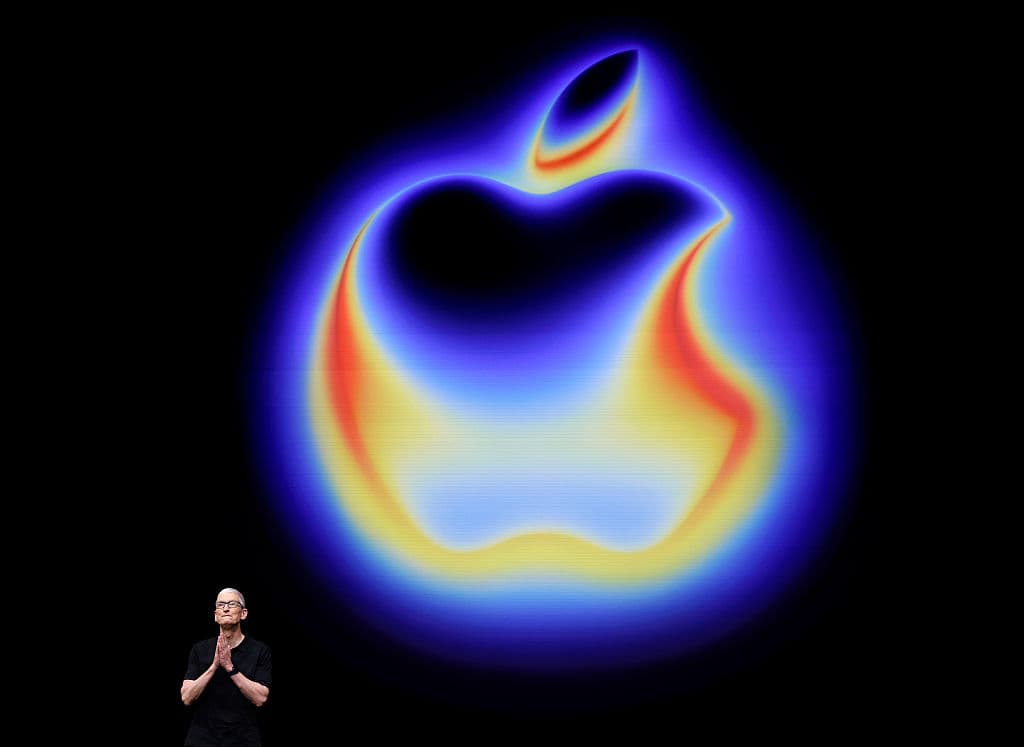
Apple’s diving into smart glasses, and Bloomberg’s Mark Gurman points out that the hold-up isn’t the technology. The real challenge? Making a face-worn camera feel safe for everyone nearby.
Gurman indicates that Apple aims to unveil the glasses at WWDC, its annual developer conference, in June 2027, with a public launch likely by the end of that year. However, Apple is reportedly dedicating a lot of time to nail down its privacy features and messaging before it brings such a product to consumers.
Why Smart Glasses Are a Privacy Minefield
Smart glasses with cameras are designed to constantly capture the world around you. This creates a unique issue that phone cameras don’t have: people nearby won’t know if they’re being recorded. With a phone, it’s clear when someone points it at you. Glasses, however, provide no such warning.
This concern isn’t just theoretical. In late 2024, Meta’s Ray-Ban smart glasses came under fire when two Harvard students showed how they could use the glasses’ camera and facial recognition software to identify strangers in public and access their personal information in real-time. While Meta’s glasses don’t have facial recognition, the demo highlighted how easily third-party software could bridge that gap.
Imagine the difference between someone carrying a visible security camera and one hidden in a smoke detector. The tech might be the same, but one clearly indicates its presence while the other does not. Smart glasses exist in this awkward middle ground, and Apple is working to address that issue.
Apple’s Potential Edge: A Privacy Brand Worth Protecting
Apple has positioned itself as the go-to tech company for privacy. They introduced App Tracking Transparency, which requires apps to request permission before tracking user behavior across other apps. They also emphasize on-device processing, meaning AI tasks are done right on your phone rather than sent to a server. Apple has consistently advertised privacy as a key differentiator from Google and Meta.
This reputation is both a strength and a challenge. It gives Apple a solid foundation to create privacy-focused smart glasses. But if those glasses end up being a privacy issue, the backlash could be harsher than it would be for any other company. Apple has made privacy a central promise to its customers.
The Verge reports that Apple is actively considering how to tackle the concerns raised by Meta’s Ray-Ban glasses and aims to set its product apart in this regard.
What Privacy Features Could Actually Look Like
Neither Apple nor any analysts have confirmed the specific privacy features for the glasses yet. However, given Apple’s past efforts and ongoing industry discussions, several potential approaches seem likely.
On-Device Processing
Apple might ensure that anything the glasses’ camera captures gets processed locally on a chip inside the glasses. This is similar to how Face ID works — your facial data never leaves your device.
Visual Indicators
A common suggestion is to have a light that turns on when the camera’s recording. Yet, a small LED can be easy to overlook, and some worry it could be accidentally covered or disabled.
Blocking Facial Recognition
Apple could implement measures to prevent apps from using facial recognition on footage from the glasses, much like how it restricts certain behaviors in the App Store today.
What This Means for Everyday Users
If you’re considering buying a pair, privacy is a double-edged sword. You want assurance that your data remains secure, but you also have to think about how others might use these devices.
For users of Apple’s glasses, the message will likely be familiar: your conversations, camera feed, and location remain on your device or are managed under Apple’s existing privacy framework. If you already trust Apple with your iPhone data, expect the glasses to follow a similar model.
For everyone else — the strangers in coffee shops or passersby on the street — the dynamics change. No privacy feature Apple implements can stop someone from using a competitor’s glasses irresponsibly. What Apple can do is set a high standard and encourage the industry to follow suit with its market influence.
| Apple (AAPL) — Company Snapshot | |
|---|---|
| CEO | Tim Cook |
| Headquarters | Cupertino, CA |
| Founded | 1976 |
| Stock Price | $308.85 (-0.17%) |
| Sector | Big Tech |
| Smart Glasses Reveal (Expected) | WWDC, June 2027 |
| Smart Glasses Launch (Expected) | By end of 2027 |
Community Reactions
“Meta released glasses with a camera and the world mostly shrugged. Apple releases glasses with a camera and suddenly everyone will care about privacy. That’s either Apple’s superpower or the world’s weirdest double standard.”
— Reddit user, r/apple
“The problem isn’t whether Apple’s glasses spy on YOU. It’s that I’m going to be sitting across from someone wearing them and have no idea what they’re doing with what they see.”
— YouTube comment, The Verge smart glasses coverage
What To Watch
- WWDC 2027 (June 2027): Apple is expected to officially unveil the smart glasses here. Keep an eye out for any specific privacy feature announcements — that’s where the real story will emerge.
- Regulatory movement: The EU and several U.S. states are pushing legislation on wearable cameras in public spaces. New laws passed before Apple’s launch could influence which features are mandated.
- Meta’s next move: Meta is set to release updated Ray-Ban glasses in the next product cycle. Their handling of privacy leading up to Apple’s launch will set the benchmark Apple must meet.
- Apple’s WWDC 2026: Even before the glasses reveal, Apple might drop hints about its AI and privacy framework updates that will support the glasses’ software.
Sources: TechCrunch | The Verge

Ava Mitchell
Ava Mitchell is a digital culture journalist at Explosion.com covering social media platforms, streaming services, and the creator economy. With 4 years reporting on TikTok, Instagram, YouTube, and the apps that shape daily life, Ava specializes in explaining platform policy changes and their impact on everyday users. She previously managed social media strategy for a tech startup, giving her firsthand experience with the platforms she now covers.