
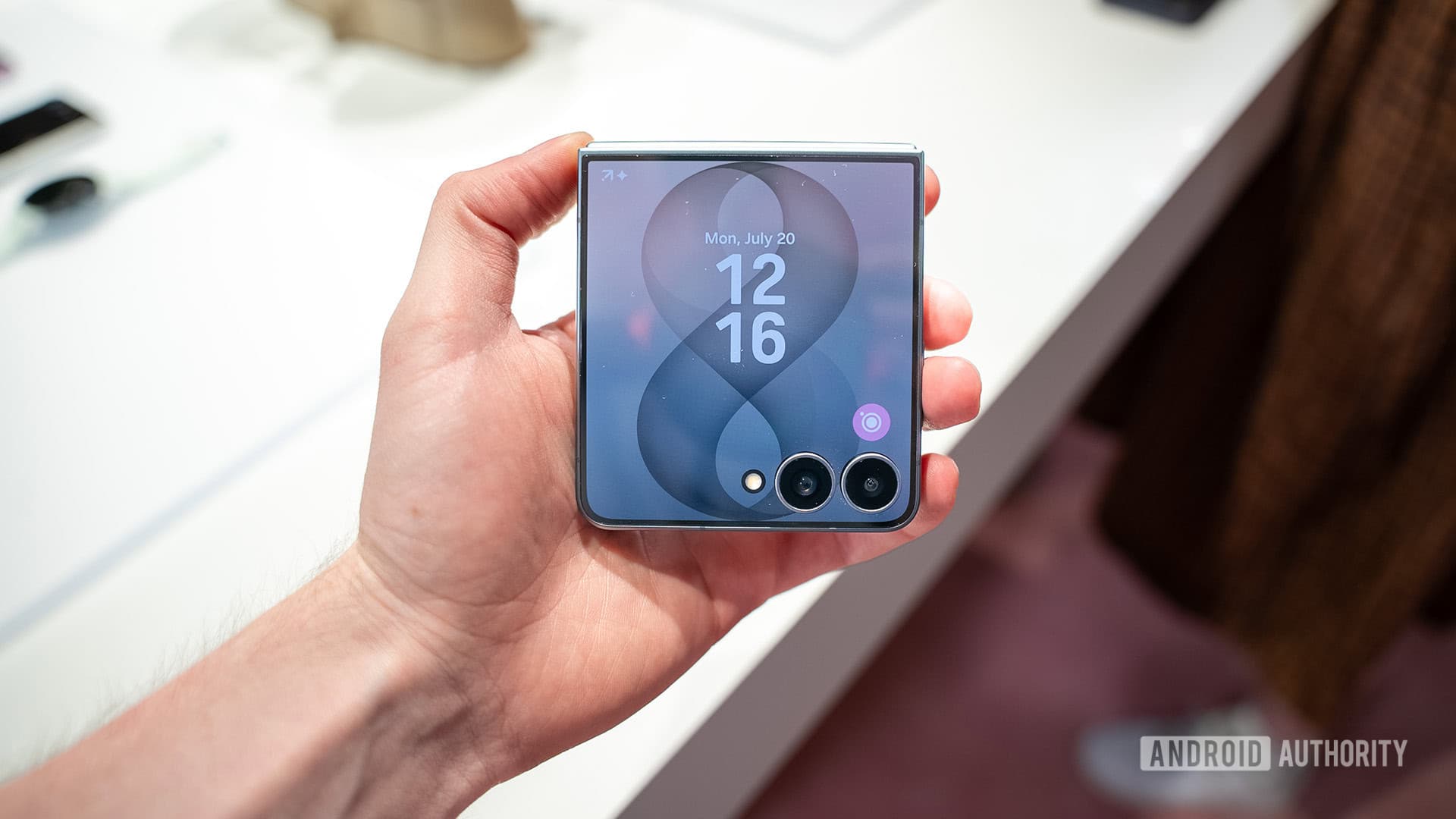
Samsung’s Galaxy Z Flip 8 is going back to a Snapdragon processor after a year with Exynos. While that sounds promising for buyers, the situation is a bit more complex than it appears on the spec sheet.
The Chip Swap Everyone Wanted
For years, Samsung has used two different processors in its flagship lineup based on the region. Qualcomm’s Snapdragon chips are for the US and select markets, while Samsung’s own Exynos chips (pronounced EX-ih-nos) are used elsewhere. The Galaxy Z Flip 7 relied heavily on Exynos worldwide, which frustrated buyers who felt they were getting an inferior experience for a premium price.
The Z Flip 8 changes this trend. Samsung is reportedly bringing back Snapdragon across more markets, likely leading to more consistent performance everywhere. On paper, this is exactly what fans have been asking for.
So, why is this also a concern?
The Price Problem
Here’s the catch: Samsung seems to be leveraging the Snapdragon chip to justify a price hike for the Z Flip 8. They’re marketing the chip as a significant upgrade, but Snapdragon processors in flip-style phones often face throttling. This means they intentionally slow down to manage heat in the compact hinge design.
Imagine placing a high-performance engine in a small car with poor ventilation. The engine might be impressive, but the car’s design limits how much power you can actually use before it overheats. Flip phones prioritize style and portability over thermal management (the space and cooling systems needed for chips to run at full speed without overheating).
Android Authority, which first highlighted these issues, points out that the Z Flip line has consistently lagged behind flagship Snapdragon chips in sustained tasks. This includes activities that last longer than a few seconds, such as gaming or video editing. Paying more for a chip you can’t fully utilize is hard to justify.
What Makes This Different From a Regular Flagship
In a standard slab phone like the Galaxy S25, the Snapdragon chip has room to operate effectively. There’s a larger battery, a thicker chassis, and more space for heat to dissipate. The Z Flip 8, however, has to fold in half. That engineering limitation doesn’t vanish just because Samsung included a faster chip.
Previous Flip models with Snapdragon chips have shown reduced clock speeds (the speed at which the processor performs calculations, measured in gigahertz) after just a few minutes of intensive tasks. The chip automatically downshifts to avoid overheating. Users playing games, recording high-res video, or using Samsung’s AI features might notice stuttering or slowdown during these activities.
| Detail | Info |
|---|---|
| Processor | Qualcomm Snapdragon (returning from Exynos on Z Flip 7) |
| Form factor | Clamshell foldable |
| Key concern | Thermal throttling in compact chassis |
| Z Flip 7 chip | Exynos (global markets) |
| Expected change | Price increase over predecessor |
What This Means for Everyday Users
If you mainly use your phone for calls, social media, photos, and streaming, you likely won’t notice the thermal throttling at all. Light everyday tasks typically don’t push chips hard enough to trigger heat management. The Snapdragon will feel responsive and smooth for most average users.
However, things get tricky if Samsung uses the chip upgrade to justify a $50 to $100 price increase. The Z Flip line already occupies a premium price point. Paying flagship prices for hardware limited by its own design isn’t something many will accept—especially as competing foldables from Google and Motorola are closing in.
Also, Samsung is expanding its Galaxy AI features (like live translation, photo editing, and note summarization), which are processor-intensive. This makes the thermal throttling issue even more pressing. Running AI tools continuously creates the kind of sustained workload that causes chips in compact phones to slow down.
Community Reactions
“The Flip line has always been a style purchase more than a performance purchase. Snapdragon or not, nobody’s editing 4K video on a Z Flip. But charging more for it is still a bad look.”
“Samsung did this with the S23 Ultra too. Snapdragon on the box, throttled in practice. At least be upfront about it.”
What To Watch
- Samsung Unpacked (expected late July/August 2026): Samsung usually reveals its foldable lineup at a summer Unpacked event. Full specifications, confirmed pricing, and hands-on thermal testing will show whether throttling concerns are valid.
- Benchmark reviews at launch: Look for sustained performance tests (not just peak scores) from reviewers at Android Authority and GSMArena. These tests run the chip continuously for several minutes, revealing real-world slowdowns.
- Competitor moves: Google’s Pixel 9a and Motorola’s Razr+ lineup are pushing pricing pressure on Samsung’s flip-phone hold. If the Z Flip 8 raises prices, it might steer more buyers towards alternatives for the first time.
Sources: Android Authority — Galaxy Z Flip 8 Snapdragon concerns

Ava Mitchell
Ava Mitchell is a digital culture journalist at Explosion.com covering social media platforms, streaming services, and the creator economy. With 4 years reporting on TikTok, Instagram, YouTube, and the apps that shape daily life, Ava specializes in explaining platform policy changes and their impact on everyday users. She previously managed social media strategy for a tech startup, giving her firsthand experience with the platforms she now covers.


