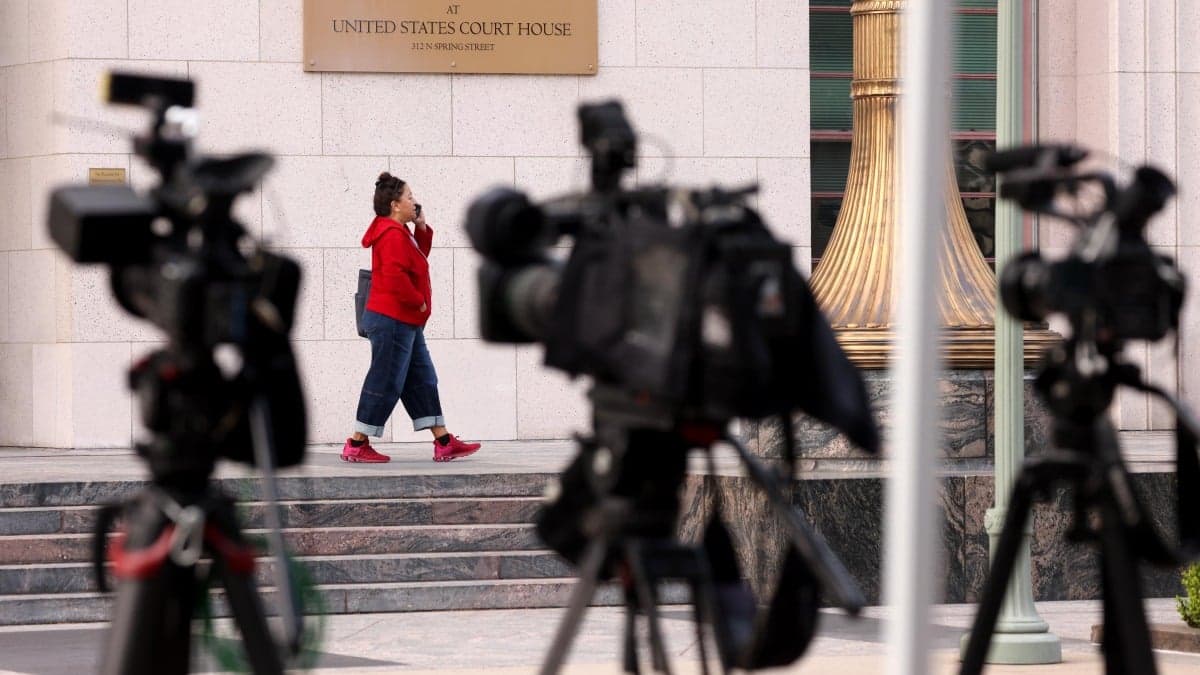
Meta has managed to avoid another trial regarding claims of social media addiction. A 15-year-old Florida plaintiff, referred to as R.K.C., dropped her lawsuit just days before it was set to begin in a Los Angeles courtroom.
| Meta — Company Snapshot | |
|---|---|
| Ticker | META (+3.28%) |
| Stock Price | $556.71 |
| CEO | Mark Zuckerberg |
| Founded | 2004 |
| Headquarters | Menlo Park, CA |
| Sector | Social Media |
What Happened
This case was part of a series of “bellwether trials.” These are test cases that help courts predict the outcomes of similar lawsuits. The goal was to hold Meta accountable for allegedly harming young users through addictive design. R.K.C.’s case was supposed to be the second trial in this series.
The withdrawal came after other platforms named in related lawsuits, like Snapchat, TikTok, and YouTube, had already settled. According to Mashable, Meta was the last major company still facing a courtroom battle in this round.
No public reason for the dismissal was given, and it’s unclear what terms, if any, were involved. Court rules allow a plaintiff to voluntarily drop a case before a verdict.
Why This Is a Big Deal
These bellwether trials are important because they can influence thousands of similar cases filed by families nationwide. If a plaintiff wins big in one of these early trials, it can encourage companies to settle other cases instead of fighting them all. Conversely, if cases continue to be dropped or settled quietly, that pressure diminishes.
This marks the second time Meta has avoided a trial in this legal fight. The first bellwether trial, scheduled for earlier this year, also didn’t proceed to a verdict. This pattern is critical since it means no jury has publicly determined whether Meta’s platforms directly harmed a young user, as these lawsuits claim.
Meta has repeatedly denied that its platforms are designed to addict teenagers. The company highlights parental controls and age verification tools introduced in recent years as proof of its commitment to youth safety.
The Bigger Legal Picture
Many cases against Meta, Snapchat, TikTok, YouTube, and others are consolidated in federal court in California. The claims generally argue that these companies knowingly designed features—like infinite scroll, push notifications, and algorithmic feeds—to maximize time spent on their apps, potentially harming users’ mental health.
Reaching a jury verdict in these cases has been tough. Plaintiffs’ attorneys must show not only that a teenager was harmed but also that specific design choices led to that harm. This legal hurdle gets complicated when defendants argue that other factors in a young person’s life contributed to the issue.
The settlements reached by Snapchat, TikTok, and YouTube suggest those companies decided that paying out was easier or less risky than letting a jury decide. So far, Meta has avoided that dilemma by having cases withdrawn before reaching a verdict.
What This Means
For parents and teens, this withdrawal doesn’t imply that Meta has been found innocent of any wrongdoing. It just means a jury never got to weigh in. The broader litigation remains active, with families waiting for similar cases to proceed and more bellwether trials expected to be scheduled.
For Meta, dodging another trial is a short-term win. It keeps the company away from damaging public testimony and internal document disclosures that often come with courtroom proceedings. It also shields the company from the risk of a large jury award that could set a financial precedent for other cases.
For everyday users, especially parents of teenagers, the legal outcome here doesn’t change how these platforms operate. If you’re worried about screen time or social media’s effects on your kids, the tools available—platform-level controls, third-party apps, and open conversations—remain unchanged regardless of what happens in court.
What To Watch
- Next bellwether trial: Courts are likely to schedule additional test cases from the remaining lawsuits against Meta. Keep an eye out for a new trial date in the coming months.
- Meta’s legal strategy: With two cases avoided without a verdict, it’ll be interesting to see whether Meta decides to settle future cases or continue to contest them.
- Legislative action: Several U.S. states are considering laws to restrict social media use for minors. If courts keep struggling to reach verdicts, legislative solutions might move faster than litigation.
- Document disclosures: Internal Meta research on teen mental health has appeared in previous legal proceedings. Future trials could reveal more documents if they reach the discovery phase.

Ava Mitchell
Ava Mitchell is a digital culture journalist at Explosion.com covering social media platforms, streaming services, and the creator economy. With 4 years reporting on TikTok, Instagram, YouTube, and the apps that shape daily life, Ava specializes in explaining platform policy changes and their impact on everyday users. She previously managed social media strategy for a tech startup, giving her firsthand experience with the platforms she now covers.