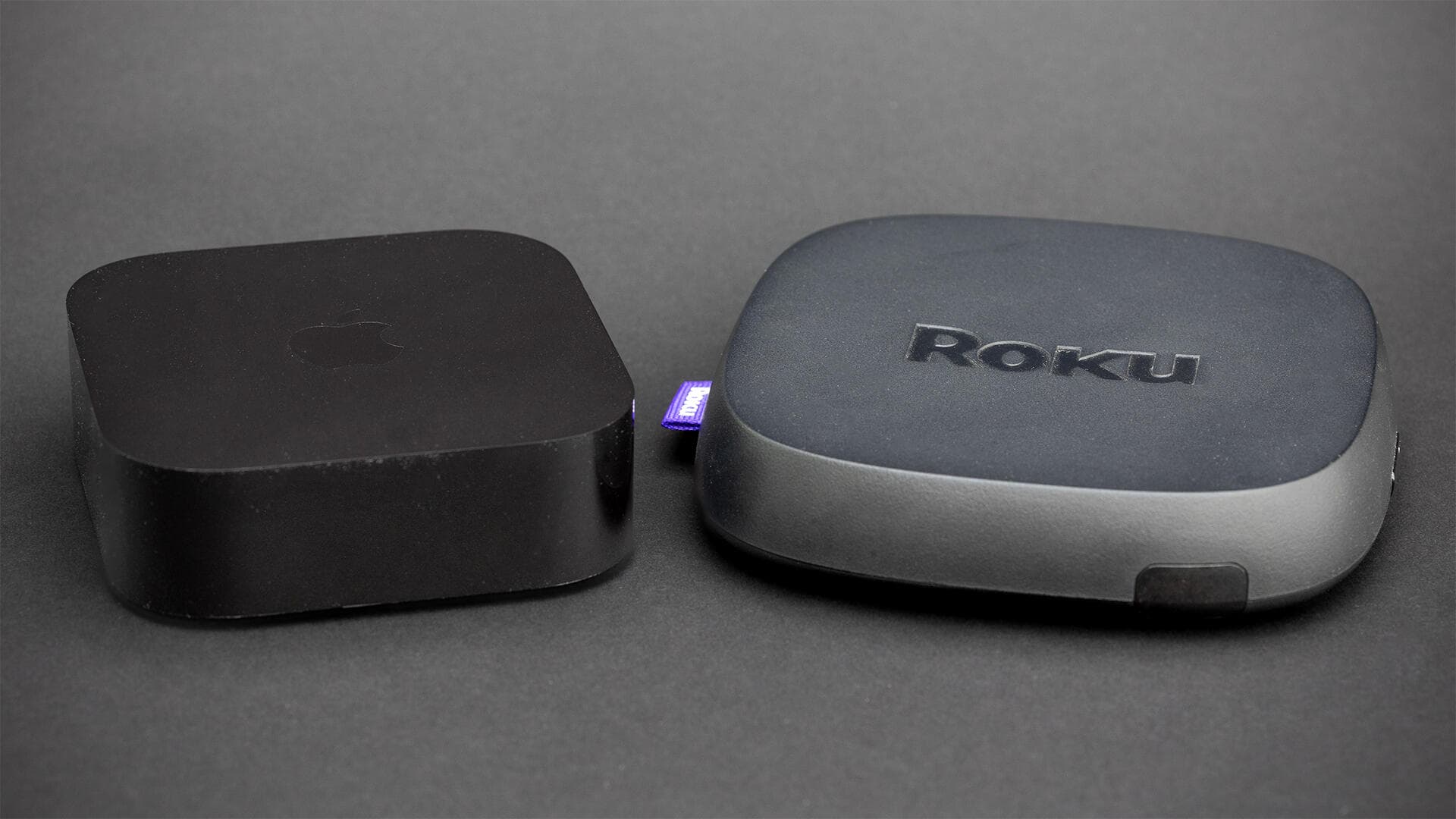
Roku has increased prices across its entire range of streaming devices. The adjustments range from $10 to $50 per product, with some models seeing jumps of up to 60%. The company attributes these hikes to a global RAM shortage, which has quietly raised costs across the consumer electronics sector.
| CEO | Anthony Wood |
|---|---|
| Headquarters | San Jose, CA |
| Founded | 2002 |
| Ticker | ROKU |
| Stock Price | $141.97 (+0.21%) |
| Price Hike Range | $10–$50 per device (up to 60%) |
| Entry-Level Stick (Old Price) | $29.99 |
| Entry-Level Stick (New Price) | $39.99 |
What Changed and By How Much
The least expensive HD Streaming Stick — a small dongle that turns any TV with an HDMI port into a smart TV — now sells for $39.99, up from $29.99. That’s a $10 increase for the most budget-friendly option, which many shoppers usually choose.
And the price hikes don’t stop there. Higher-end models are experiencing even larger dollar increases, with some going up by as much as $50. The Verge reports that the increases impact the entire product range, from entry-level sticks to Roku’s premium Ultra devices.
The Desk first reported these increases, which have since been confirmed by several outlets.
The RAM Shortage Nobody Was Talking About
Roku is highlighting what tech insiders have dubbed “RAMageddon” — a global shortage of RAM chips that’s raising manufacturing costs for devices with processors. RAM acts as a device’s short-term memory, allowing your streaming stick to multitask without freezing or stuttering.
Think of RAM like your kitchen counter space. The more counter space you have, the more dishes you can prepare simultaneously. A shortage means manufacturers must pay more for the same amount of workspace.
Interestingly, Ars Technica notes that Roku CEO Anthony Wood previously claimed the RAM shortage was “great” for business back in May. He suggested the company saw an opportunity to pass costs on to consumers, while competitors faced similar challenges. Now that prices have actually increased, this framing is raising eyebrows.
What This Means
If you’ve been considering a Roku device, the chance for old pricing has vanished. The entry-level stick crossing the $40 mark is significant. Many shoppers weigh their options between buying a new streaming stick or investing in a streaming service subscription at that price point.
For those already using Roku devices, there’s no immediate effect — your current hardware remains unchanged. But if a device breaks or you need a second one for another TV, you’ll now pay more than you would have just a month ago.
The bigger picture shows Roku isn’t alone in this. Android Authority points out that the RAM shortage is hitting the broader consumer electronics market. Other streaming device makers, like Amazon Fire TV, Google Chromecast, and Apple TV, might also face similar pressures to raise their prices soon.
Budget-conscious shoppers might want to check retail clearance sections for older-model Roku devices sold before the price hike. Those can sometimes stick around at previous prices for a few weeks after a new MSRP (manufacturer’s suggested retail price) update.
Community Reactions
“The entry-level stick going from $30 to $40 is the one that’s going to hurt the most. That was the ‘just grab one for the guest room’ price. Now you’re actually thinking about it.”
“Called it when Wood said the shortage was ‘great for business.’ Great for Roku, maybe. Not great for anyone buying one.”
What To Watch
- Competitor responses: Keep an eye on whether Amazon, Google, or Apple change their streaming hardware prices in the next 60 to 90 days as RAM costs affect their supply chains.
- Retail discounts: Major sales events like Amazon Prime Day (already passed) and back-to-school sales might bring temporary discounts that help offset the new MSRPs — something to watch through August.
- Roku’s next earnings call: Analysts will be curious to see if the price hikes lead to margin improvements or if they suppress unit sales enough to negate the gains. Roku’s stock only changed slightly on the news, indicating investors view this as a neutral-to-positive development for now.
- RAM market timeline: Experts believe the current RAM shortage could ease by late 2026 or early 2027. If costs normalize, it’s uncertain whether Roku would lower prices — consumer electronics companies rarely do that.

Daniel Park
Daniel Park covers AI, cloud infrastructure, and enterprise software for Explosion.com. A former software engineer who transitioned to technology journalism 5 years ago, Daniel brings technical depth to his reporting on artificial intelligence, startup funding rounds, and the companies building the future of computing. He breaks down complex AI developments and business strategies into clear, actionable insights for readers who want to understand how technology is reshaping industries.