Meta has introduced a new AI image generation tool called Muse. It trains on public Instagram photos and Reels by default. This means your public posts could help create AI content without you needing to do anything to allow it.
What Is Meta Muse?
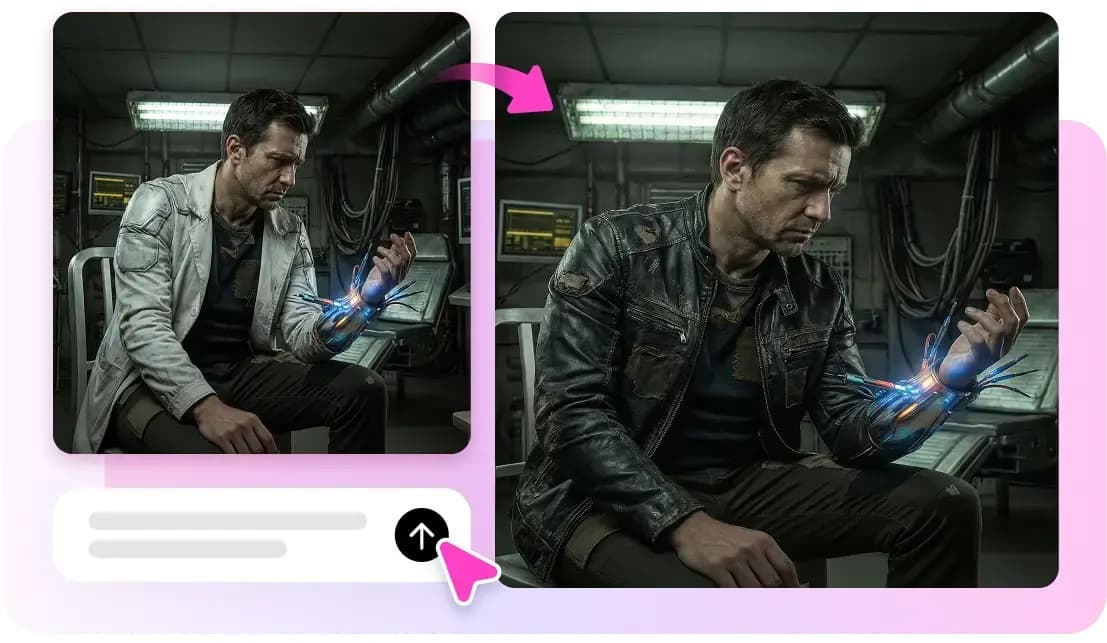
Muse is Meta’s latest AI image generator integrated into Instagram. It can create and modify images using content from public Instagram accounts. The important thing to know is that this feature is enabled by default for anyone with a public profile. So, unless you opt out, you’re automatically included.
Imagine it as a photocopier that can remix anything left on the public sidewalk. If your Instagram account is public, your photos are on that sidewalk. Muse can pick them up and use them as creative material.
How Does It Actually Work?
Meta Muse employs generative AI, which creates new images, text, or video by learning from existing content patterns. By using public Instagram posts, users can prompt Muse to generate images inspired by or altered from those original photos.
According to Mashable, users can select photos from any public Instagram account and ask Muse to modify or reimagine them. This means someone could create an AI-generated image based, at least partly, on your original photography or personal photos — all without your direct consent.
How to Opt Out
Meta does provide a way to prevent your public posts from being used as training or generation material for Muse, but you have to find it yourself. As reported by MacRumors, the opt-out option is hidden within Instagram’s settings, rather than being easily accessible. The steps might differ slightly by platform, but generally include:
- Opening Instagram settings
- Navigating to the “Privacy” or “AI” section
- Finding the Muse or AI content settings
- Toggling off permission for your posts to be used
Meta hasn’t set a specific deadline for this rollout to become universal, so it’s smarter to check your settings sooner rather than later.
| By The Numbers: Meta | |
|---|---|
| Company | Meta Platforms, Inc. |
| Stock (META) | $640.29 (-3.65%) |
| CEO | Mark Zuckerberg |
| Headquarters | Menlo Park, CA |
| Founded | 2004 |
| Instagram Users (global) | ~2 billion monthly active |
Why Is It Opt-Out Instead of Opt-In?
This is where much of the criticism is focused. In privacy discussions, there’s a big difference between opt-in (you choose to participate) and opt-out (you’re automatically included and need to actively choose to leave). Opt-out systems usually capture more users because most people don’t dig through settings menus.
Meta isn’t the only company doing this. Several AI firms have faced backlash for using publicly available content to train their models without clear user consent. Companies like Meta argue that public content is just that—public. Critics argue that posting a photo publicly doesn’t mean you’ve agreed to let an AI remix it into something else.
What This Means for You
If you use Instagram with a public account, which is common for creators, small businesses, and photographers, your existing photo library may already be available for Muse. You don’t need to post anything new for this to apply.
For regular users, the main concern isn’t legal ownership—Meta’s terms of service have long given them broad content licenses. It’s more about control. Your face, your art, and your personal photos could serve as the basis for someone else’s AI-generated image without your awareness.
Private Instagram accounts won’t be affected. If your account is private, Muse can’t access your posts.
Community Reaction
“This is why I switched my account to private last year. The default should ALWAYS be opt-in for anything AI related. This is such a gross move.”
“Friendly reminder that ‘public’ on Instagram was never meant to mean ‘available for AI training.’ These are not the same thing and Meta knows that.”
What To Watch
- Regulatory response: European regulators have previously pushed back against Meta’s AI data practices. Keep an eye out for any GDPR (Europe’s strict data privacy law) complaints or formal investigations, especially since opt-out defaults have led to enforcement actions against Meta before.
- Opt-out accessibility: Advocacy groups might pressure Meta to make the opt-out option more visible. Instagram has changed privacy settings before in response to public pressure.
- Broader rollout: Muse seems to be in the early stages of a wider release. How Meta addresses the backlash from this default-on approach may influence how the full rollout unfolds.
- Creator community response: Professional photographers and digital artists, who often rely on public Instagram accounts for exposure, are likely to be among the most vocal in opposing this. Watch for organized opt-out campaigns or calls for clearer consent frameworks.

Maya Torres
Maya Torres is the Consumer Tech Editor at Explosion.com with 7 years covering product launches for major technology publications. She has reviewed over 300 devices across smartphones, laptops, wearables, and smart home products. Maya specializes in translating spec sheets into real-world buying advice and attends CES, MWC, and Apple keynotes as press. Her reviews focus on helping readers decide what to buy, not just what specs look good on paper.