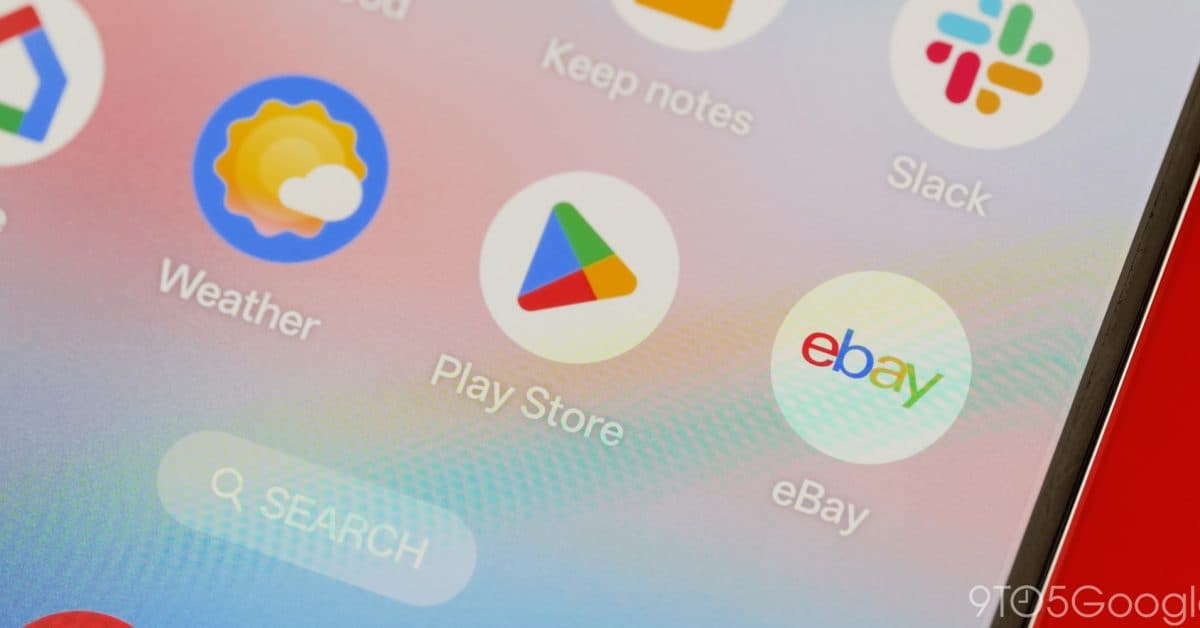
Starting next week, Android users can download and use competing app stores directly from Google Play. This marks a big change in how apps reach your phone, thanks to the ongoing antitrust battle between Google and Epic Games.
| By The Numbers: Alphabet / Google | |
|---|---|
| Ticker | GOOGL |
| Stock Price | $370.92 (+3.17%) |
| CEO | Sundar Pichai |
| Headquarters | Mountain View, CA |
| Founded | 1998 |
| Sector | Big Tech |
What’s Actually Changing
Google Play has always been the primary source for Android apps. While users could technically “sideload” apps from other sources for years, it was buried deep in settings and came with daunting security warnings. The big change now is that third-party app stores, such as those from Samsung or Amazon, will be distributed through Google Play. Imagine a mall allowing various shopping centers to set up kiosks inside. The original mall is still there, but it’s now helping shoppers explore other options.
This shift stems from the antitrust lawsuit Epic Games filed against Google in 2020. Epic claimed that Google used its control over the Play Store to unfairly eliminate competition and collect fees as high as 30% on app purchases and in-app transactions. Epic won that case in a jury trial in 2023. Now, as reported by Ars Technica, Epic has withdrawn its settlement with Google. This means Google is no longer bound by a negotiated agreement and must follow the court’s broader antitrust remedies, which are stricter and harder to reverse.
Why Epic Withdrew the Settlement
This twist is interesting. Usually, settlements help companies sidestep severe consequences from losing a lawsuit. Epic’s withdrawal shows that the court’s remedies align better with Epic’s goals than the private deal Google was offering. In simple terms, the judge’s rules are tougher than what Google had negotiated.
According to 9to5Google, this effectively removes the last hurdle in the lengthy legal battle. Google is now set to implement the court-mandated changes starting next week.
How This Is Different From What Apple Is Doing
If this sounds familiar, it’s because Apple is facing a similar situation in Europe under the EU’s Digital Markets Act. This regulation forces large tech platforms to open up to competition. Apple has to allow third-party app stores on iPhones in EU countries, but it has made the process cumbersome, leading critics to label it a “compliance theater.”
Google’s scenario is based in the U.S. and court-mandated, rather than regulatory. This could limit Google’s ability to create obstacles. However, CNET notes that how Google handles security warnings and permissions for rival stores will be crucial in determining whether this change is genuinely impactful or just a symbolic gesture.
What This Means for Everyday Android Users
For most users, nothing changes right away. If you stick to the default Google Play Store, your experience next week will feel the same as today. But here’s what could change over time:
- More app store options: You might find gaming-focused stores, regional stores, or those with different content policies much easier to discover and install.
- Potentially lower app prices: Developers may sell apps through stores that charge lower fees than Google’s 15-30% cut, which could mean savings for users.
- More competition for Google: If rival stores gain popularity, Google might need to improve its Play Store experience to keep users from switching.
- New security considerations: With more app sources, the risk of encountering malicious apps could increase. Knowing where an app comes from will become even more important.
Community Reaction
Responses on Reddit and YouTube vary, with many Android fans feeling cautiously optimistic but concerned about how smoothly Google will implement this change.
“Android already ‘allowed’ this; Google just made it annoying. The real question is whether they’ll bury the new stores under 17 warning screens.”
“Epic winning this case is huge. The 30% cut Google and Apple take is basically a tax on every app you’ve ever paid for. Competition is what fixes that.”
What To Watch
- Next week: The policy goes live. Keep an eye out for announcements from Samsung, Amazon, or Epic’s own store (Fortnite hasn’t been on the Play Store since 2020) about whether they’ll list through Google Play right away.
- Google’s implementation details: Look for how many warning screens appear, how visible rival stores are within the Play Store UI, and whether Google showcases its own store more prominently. These factors will indicate how seriously it’s taking the court’s intent.
- Epic’s next move: With the settlement gone and remedies in place, watch for whether Epic brings Fortnite back to Android through its own store listed on Google Play. That would be a major test of the new system.
- Apple watching closely: If Google’s court-ordered changes work well, it could pressure Apple in U.S. antitrust proceedings, where similar competition arguments are still active.

Maya Torres
Maya Torres is the Consumer Tech Editor at Explosion.com with 7 years covering product launches for major technology publications. She has reviewed over 300 devices across smartphones, laptops, wearables, and smart home products. Maya specializes in translating spec sheets into real-world buying advice and attends CES, MWC, and Apple keynotes as press. Her reviews focus on helping readers decide what to buy, not just what specs look good on paper.