
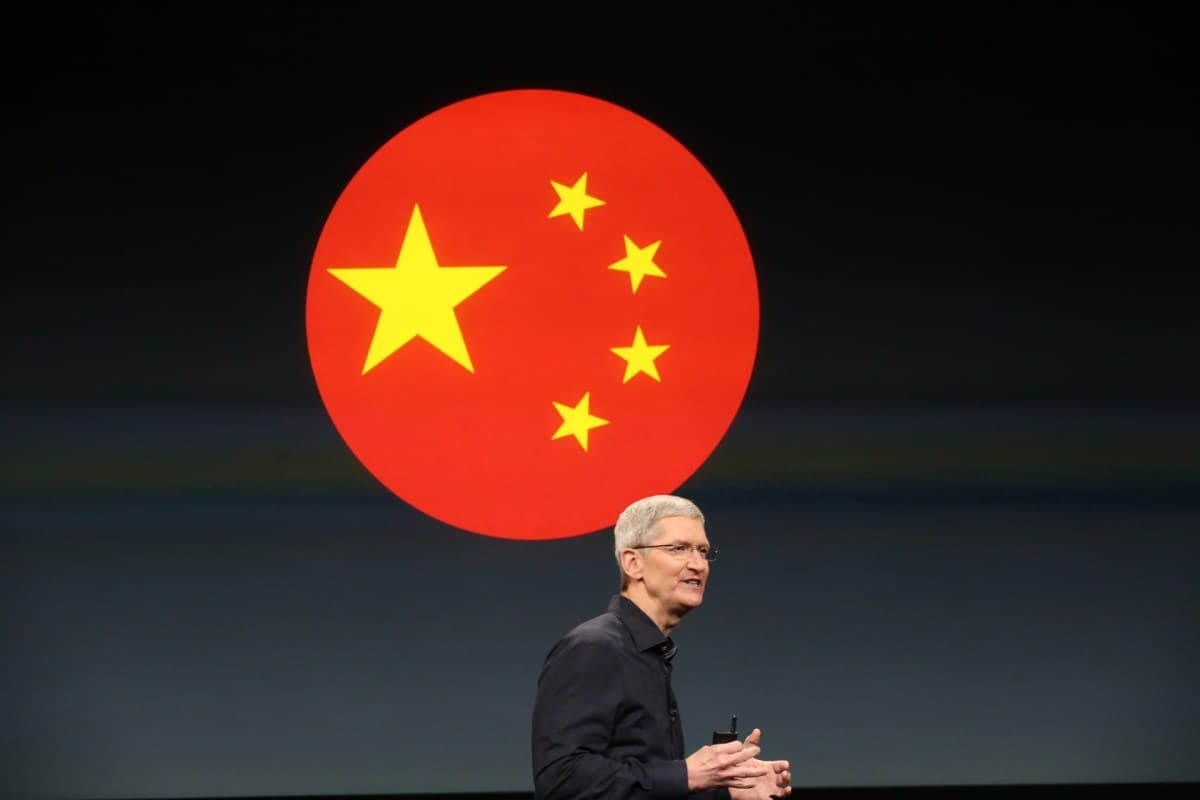
Apple Intelligence is officially heading to China after regulators approved the company’s AI services through a partnership with Alibaba. This marks one of the biggest expansions of Apple’s generative AI platform since its launch. The approval, confirmed on Tuesday, will integrate Alibaba’s Qwen AI models into Apple’s operating systems for users in China. This deal had been rumored for months, and now it has the green light from Chinese authorities.
Apple’s stock reacted quickly, jumping 4.03% to $327.54 following the announcement. This indicates that investors view China as a significant growth opportunity for Apple’s AI ambitions.
What the Deal Actually Involves
In many places, Apple Intelligence relies on a mix of on-device processing and Apple’s cloud servers, with OpenAI’s ChatGPT handling more complex tasks. However, China has different rules. Foreign AI models must navigate strict government oversight, so Apple had to find a local partner with technology that meets China’s regulatory standards.
That partner is Alibaba, the Chinese e-commerce and cloud giant. Its Qwen models — large language models trained on vast amounts of text to understand and generate human language — will power Apple Intelligence features on iPhones, iPads, and Macs sold in China. Reports suggest that Baidu may also play a role in the rollout.
Think of it like McDonald’s tailoring its menu for different countries. The brand and experience remain consistent, but the ingredients come from local suppliers who meet local standards. Apple maintains its interface and feature set, while Alibaba provides the AI engine behind it.
Why China Matters So Much for Apple
China is crucial for Apple, making up a large portion of iPhone sales. However, Apple Intelligence has been absent there since its launch, putting Apple at a disadvantage against domestic smartphone brands that have offered AI features to Chinese consumers for over a year.
Obtaining regulatory approval in China was never going to be easy. The country mandates that AI services be registered and reviewed before they can go live, and foreign-built models face extra scrutiny. Apple’s partnership structure, which routes AI requests through Alibaba’s approved infrastructure, seems to have met those requirements.
In contrast, Apple still hasn’t launched Apple Intelligence in the European Union due to different regulatory concerns around competition law. China got the jump on this approval.
By The Numbers
| Metric | Detail |
|---|---|
| Company | Apple (AAPL) |
| Stock Price | $327.54 (+4.03% on announcement day) |
| CEO | Tim Cook |
| Headquarters | Cupertino, CA |
| AI Partner in China | Alibaba (Qwen models) |
| Additional Partner Reported | Baidu |
| Apple Intelligence EU Status | Not yet approved |
What This Means for Everyday Users
If you’re using an iPhone in China, this is the approval you’ve been waiting for. Features like Writing Tools (which help rewrite and summarize text), photo cleanup tools, notification summaries, and Siri’s enhanced conversational abilities should be available after Apple rolls out a software update that activates the Qwen-powered backend.
The experience should feel mostly the same as Apple Intelligence in other countries. However, the AI model processing your requests will be Alibaba’s Qwen instead of Apple’s own models or ChatGPT. Whether the quality of responses matches what users in the US or UK get remains to be seen in real-world usage.
For those outside China, the immediate impact is minimal. But this deal shows that Apple is ready to localize its AI platform by using different AI partners in various regions. This strategy helps keep its devices competitive worldwide.
Community Reactions
“So Apple basically outsourced Siri’s brain to Alibaba for China. Wild times. I wonder how much of the data stays on Alibaba’s servers vs. Apple’s.”
— u/packet_sniffer_pro, r/Apple
“This is actually huge for Apple’s China sales. They were losing ground to Huawei and Xiaomi partly because those phones had AI features and iPhones didn’t. Now they can compete again.”
— YouTube commenter on 9to5Mac’s coverage
What To Watch
- Software rollout timeline: Apple hasn’t announced which iOS or macOS update will bring Apple Intelligence with Qwen to China. Keep an eye out for announcements linked to fall software updates, likely in September or October 2026.
- EU approval: With China cleared, the pressure mounts on Apple and European regulators to resolve their standoff. Apple Intelligence remains absent in the EU, the only major market where it’s missing.
- Baidu’s role: Engadget mentions that Baidu may also be part of the partnership. Clarification on which features rely on which partner’s models could influence the service’s performance.
- Privacy scrutiny: Expect questions from researchers and privacy advocates regarding how user data is managed when Alibaba’s servers process requests for Chinese Apple users.
Sources

Daniel Park
Daniel Park covers AI, cloud infrastructure, and enterprise software for Explosion.com. A former software engineer who transitioned to technology journalism 5 years ago, Daniel brings technical depth to his reporting on artificial intelligence, startup funding rounds, and the companies building the future of computing. He breaks down complex AI developments and business strategies into clear, actionable insights for readers who want to understand how technology is reshaping industries.


