
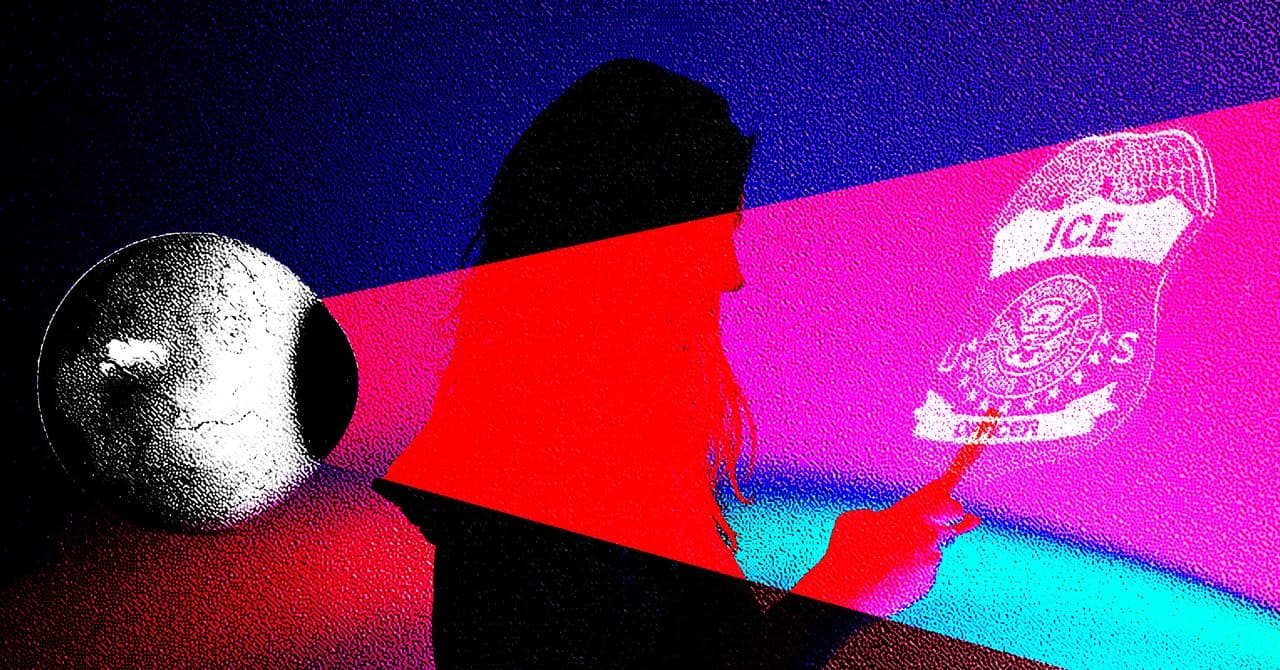
ICE’s internal oversight office has opened over 100 investigations into individuals who criticized or posted about ICE employees online. This raises important questions about the balance between accountability and free speech.
The Office of Professional Responsibility (OPR) is a watchdog unit within Immigration and Customs Enforcement that usually looks into misconduct by ICE employees. Recently, it has shifted its focus outward. A report by Wired revealed that the office has documented more than 100 cases they label as “incidents of doxing and threats” against ICE personnel.
What Is the OPR, and Why Does This Matter?
The Office of Professional Responsibility acts like ICE’s internal affairs division. You can think of it as similar to a police department’s internal review board. Its role is to investigate allegations of misconduct, corruption, or policy violations by ICE agents and staff. The office is supposed to hold the agency accountable.
This shift towards investigating outside critics marks a big change in how the office operates. Civil liberties groups and legal experts are worried that the term “doxing”—which means sharing someone’s personal information publicly without their consent—is being used too broadly. This could include what many see as protected political speech, such as posting publicly available information about ICE facilities or sharing footage of enforcement actions.
What ICE Says It’s Investigating
ICE officials claim these investigations respond to real threats. They say their employees have faced harassment, had their home addresses posted online, and received threatening messages. If proven, those actions could become illegal, regardless of the political context.
However, the scale of these investigations is concerning. Over 100 open cases isn’t a small number. Critics argue that the broad interpretation of “doxing” could pull in journalists, activists, or regular people who shared publicly available government information or social media posts about ICE personnel.
The Department of Homeland Security (DHS), which oversees ICE, hasn’t released a detailed breakdown of what specific behaviors led to these investigations.
The Free Speech Tension
This gets complicated quickly. The First Amendment protects a wide range of speech, including criticism of government agencies and their employees. Courts generally agree that sharing publicly available information about public officials, including law enforcement, is protected activity.
On the flip side, targeted harassment and credible threats aren’t protected. Those actions can genuinely harm individuals, regardless of their employer.
Finding the legal line between “holding an agency accountable” and “harassing individual agents” isn’t always clear. That gray area is exactly why this situation deserves close attention. Who decides which side of that line a post falls on is crucial.
| Data Point | Figure |
|---|---|
| OPR cases opened against outside critics | 100+ |
| Agency overseeing ICE | Department of Homeland Security (DHS) |
| OPR’s original mandate | Investigating ICE employee misconduct |
What This Means
This story serves as a reminder for everyday users. Posting about law enforcement online, even sharing news articles or publicly available records, could attract scrutiny from a federal agency. While that doesn’t mean it’s illegal, it shows the government is paying closer attention than most people might assume.
If you’ve ever shared a video of an immigration enforcement action, discussed ICE activity in your neighborhood, or tagged an agency account in a critical comment, this story is relevant to you. Investigations don’t automatically lead to charges or legal consequences, but having a federal case opened against you over a tweet isn’t something anyone wants.
For journalists and activists who cover immigration enforcement specifically, the stakes are higher. Investigative reporting often involves sharing information about government employees that they’d rather keep private. Whether the OPR can tell the difference between a reporter sharing a newsworthy story and someone posting a private address is a crucial question that remains unanswered.
Community Reactions
“So the watchdog that’s supposed to watch ICE is now… watching us? That’s not oversight; that’s a surveillance program with extra steps.”
“There’s a real difference between doxxing someone’s home address and posting ‘ICE detained people at this facility today.’ If the OPR can’t make that distinction, this is going to get ugly fast.”
What To Watch
- FOIA requests: Civil liberties organizations like the ACLU are likely to file Freedom of Information Act requests to uncover specifics on what conduct triggered these cases. The results could clarify if the OPR is targeting real threats or broader criticism.
- Congressional response: Members of Congress overseeing DHS might call for hearings or ask the agency to explain how it’s defining “doxing” in this situation. Keep an eye out for any committee activity soon.
- Legal challenges: If any investigations lead to actual charges or civil actions against critics, expect immediate legal pushback from First Amendment attorneys. A court ruling here could set an important precedent.
- Agency transparency: DHS hasn’t provided a detailed account of the 100-plus cases. Whether that changes under public pressure will signal how the agency views this program.
Sources: Wired

Ava Mitchell
Ava Mitchell is a digital culture journalist at Explosion.com covering social media platforms, streaming services, and the creator economy. With 4 years reporting on TikTok, Instagram, YouTube, and the apps that shape daily life, Ava specializes in explaining platform policy changes and their impact on everyday users. She previously managed social media strategy for a tech startup, giving her firsthand experience with the platforms she now covers.