A security issue in Apple’s Hide My Email service could let nearly anyone discover the actual email address behind a privacy alias. Surprisingly, Apple has been aware of this flaw for over a year without providing a fix.
What Is Hide My Email?
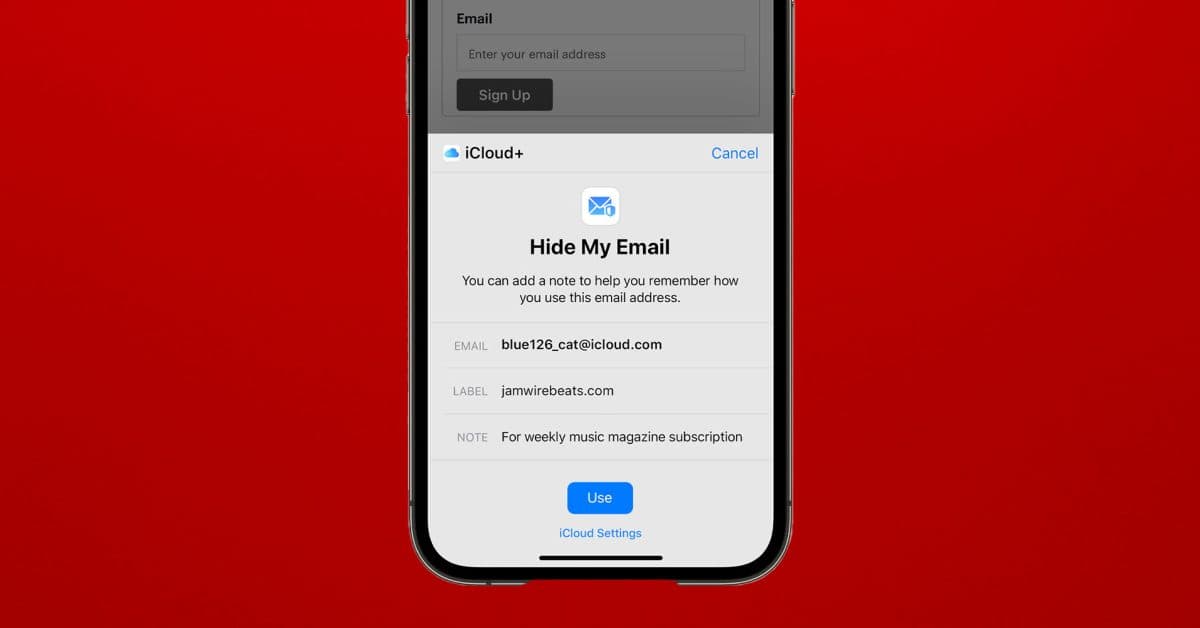
Hide My Email is a feature included with iCloud+ subscriptions that enhances privacy. When you register for a website or app, it generates a random alias, or fake forwarding address, instead of using your real email. This way, sites don’t get your actual email, helping you avoid spam and data breaches. Think of it like a P.O. box: you receive mail, but no one knows your real address.
The issue, as reported by 9to5Mac and MacRumors, is that this P.O. box has a window. Anyone who knows where to look can peek inside.
How the Bug Works
This flaw lets a third party reverse-engineer the real email address from a Hide My Email alias. While the exact technical details aren’t fully public yet (researchers usually wait until a fix is available), the key point is alarming: the vulnerability reportedly has a nearly 100% success rate. This isn’t just a partial attack — it works almost every time.
MacRumors states that Apple first learned about this issue over a year ago. As it stands, no fix has been released.
Why a Year-Long Delay Matters
In the cybersecurity world, there’s a process called responsible disclosure. A researcher finds a bug, notifies the company quietly, and gives them a reasonable timeframe (usually around 90 days) to fix it before going public. Apple’s delay of over a year has pushed this issue into the limelight, allowing anyone interested in exploiting it ample time before a fix arrives.
| By The Numbers: Apple (AAPL) | |
|---|---|
| Stock Price | $315.32 (-0.28%) |
| CEO | Tim Cook |
| Headquarters | Cupertino, CA |
| Founded | 1976 |
| iCloud+ (Hide My Email availability) | Paid iCloud+ subscribers only |
| Time since initial bug report | More than 1 year |
| Reported success rate of exploit | ~100% |
What This Means
If you’re using Hide My Email to keep your sign-ups private, this bug could undermine that effort. Any website, app developer, or malicious actor with your alias could trace it back to your real inbox. This leads to several risks:
- Increased spam and phishing threats. Your real address might end up on lists you thought you’d protected against.
- Data broker exposure. Companies collecting personal data could link your alias usage back to your true identity.
- Cross-site tracking. If you’ve used different aliases to prevent companies from connecting your accounts, that protection may now be compromised.
For many, the immediate step is to realize that Hide My Email aliases might not offer the level of protection Apple claims. If you’re handling especially sensitive sign-ups, like for healthcare or financial services, consider using a third-party email alias service like SimpleLogin or Fastmail’s masking feature until this gets sorted out.
This situation comes at a tough time for Apple’s privacy-focused brand image. The company has spent years promoting privacy as a key product feature, even running ad campaigns about it. A significant flaw in one of its main privacy tools, left unpatched for over a year, contradicts that message directly.
Community Reactions
“This is the feature I pay for iCloud+ specifically. If it’s been broken for a year and Apple said nothing, that’s just fraud at this point.”
“Apple’s marketing: ‘Privacy. That’s iPhone.’ Apple’s engineering team apparently: ‘lol whatever'”
Apple’s Response
As of now, Apple hasn’t released a public statement about the vulnerability or provided a timeline for a fix. Explosion.com has reached out to Apple for comment and will update this article if there’s a response.
What To Watch
- Apple patch release: Keep an eye out for an iOS, iPadOS, or iCloud update that specifically addresses Hide My Email. The next scheduled software update cycle is the most likely timeframe.
- Full technical disclosure: Security researchers usually release complete details once a fix is live. A detailed write-up would clarify how the exploit works and the extent of the risk.
- Regulatory scrutiny: Given Apple’s heavy promotion of privacy features, this long-unpatched flaw could draw attention from data protection regulators in the EU, where the Digital Markets Act and GDPR give them significant authority over companies like Apple.
- WWDC follow-up: If Apple discusses this in a future developer or privacy session, it could indicate a broader rethinking of how iCloud+ privacy features are constructed.

Maya Torres
Maya Torres is the Consumer Tech Editor at Explosion.com with 7 years covering product launches for major technology publications. She has reviewed over 300 devices across smartphones, laptops, wearables, and smart home products. Maya specializes in translating spec sheets into real-world buying advice and attends CES, MWC, and Apple keynotes as press. Her reviews focus on helping readers decide what to buy, not just what specs look good on paper.