The UK’s competition regulator is looking to introduce rules that would require Apple to allow app developers to offer payment options outside the App Store. They also want to give rival digital wallets access to the iPhone’s tap-to-pay chip. This change could transform how millions of users in the UK pay for apps and other goods.
The UK’s Competition and Markets Authority (CMA), which aims to keep markets fair, released its proposals on June 30. This step is part of an ongoing investigation into Apple’s and Google’s control over mobile ecosystems. If implemented, these rules would mark the most significant restrictions on Apple’s App Store business in the UK to date.
What the CMA Is Proposing
The regulator’s proposals focus on two areas that Apple has traditionally kept under tight control.
App Store Payments
Currently, when you purchase a subscription or digital item via an iPhone app, Apple processes that payment and takes a commission ranging from 15% to 30% of the sale price. The CMA wants developers to be able to direct users to external payment systems. This means a developer could say, “pay us directly on our website,” and actually link to their site from within the app.
This practice is often referred to as “steering,” and Apple has fought against it in courts worldwide. The EU’s Digital Markets Act already mandates this in Europe, and the US has been embroiled in ongoing legal battles over the same issue. The UK would be following a similar trajectory.
NFC Access for Rival Wallets
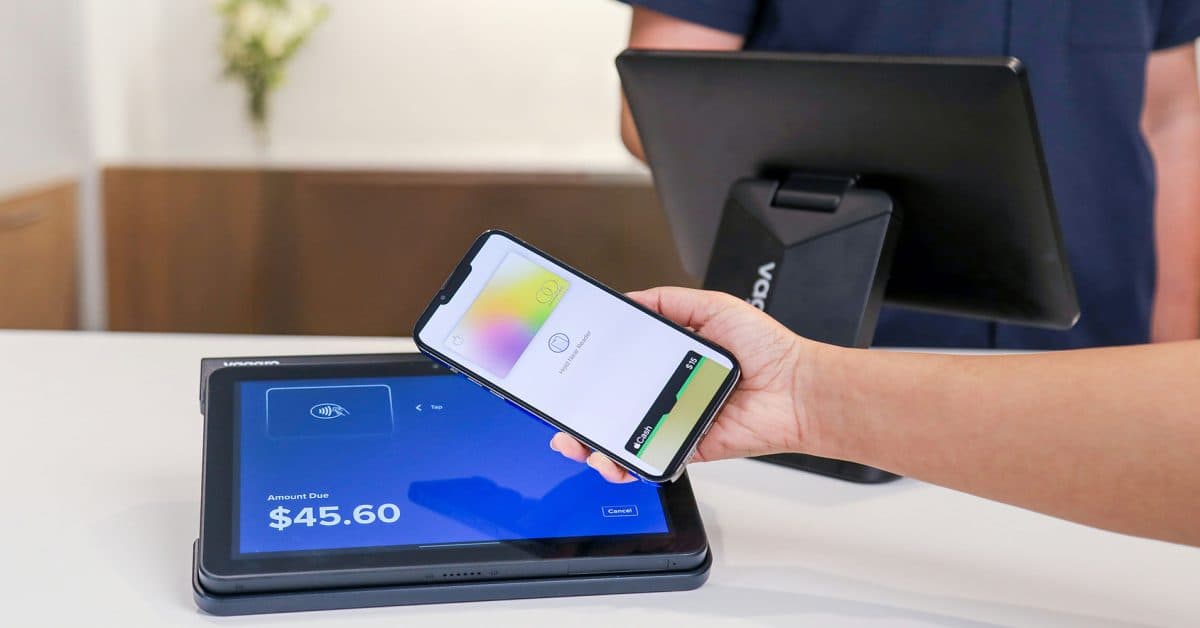
The second proposal focuses on NFC (Near Field Communication), the technology that enables contactless payments when you hold your phone near a payment terminal. Apple has historically restricted NFC access on iPhones to only allow Apple Pay to process payments. If you wanted to use your bank’s app for tap-and-pay, it simply wasn’t possible on an iPhone.
The CMA wants Apple to open NFC access to competing digital wallets. Banks and fintech companies have been advocating for this for years. They argue that Apple Pay’s exclusivity gives Apple an unfair edge and locks consumers into its ecosystem.
Why This Matters Now
The UK exited the EU in 2020, so it doesn’t fall under the EU’s Digital Markets Act, which will take effect in 2024. British regulators have had to create their own rules, and this proposal is a significant part of that effort.
Apple has already been compelled to open NFC access in the EU. For instance, Barclays launched a tap-to-pay feature using the iPhone’s NFC chip in Europe after Apple made adjustments due to regulatory pressure. The CMA’s proposal would bring similar updates to UK iPhone users.
| By The Numbers: Apple | |
|---|---|
| Stock (AAPL) | $316.22 (+0.90%) |
| CEO | Tim Cook |
| Founded | 1976, Cupertino, CA |
| App Store Commission | 15%–30% per transaction |
| EU NFC Opening | Required under Digital Markets Act (2024) |
| UK Investigation | CMA mobile ecosystems probe, ongoing |
What This Means for Everyday Users
If these rules go through, UK iPhone users could see some tangible changes.
First, app prices might drop or at least stop increasing. When developers pay Apple a 30% commission, many pass that cost onto subscribers. If developers can process payments directly, some might lower prices or offer discounts for paying outside the App Store. This is similar to how some services already provide cheaper rates on Android.
Second, tap-to-pay could gain more flexibility. Your bank’s app might eventually let you tap your iPhone at checkout just like Apple Pay does today, without needing to add a card to Apple Wallet. For those who prefer managing everything through their bank, that’s a valuable option.
However, these changes aren’t guaranteed and won’t happen overnight. These are still proposals. Apple will have a chance to respond, and the CMA process could take months or even years before any final rules come into effect.
Community Reactions
“Finally. I’ve wanted to use my Monzo card for tap-to-pay directly for years. Apple Pay works fine, but it’s annoying that there’s no choice.”
— Reddit user via r/apple discussion on the CMA announcement
“This sounds good in theory, but watch Apple find a way to make third-party payments so clunky that nobody uses them. They did it in the EU too.”
— YouTube commenter on MacRumors coverage of the CMA proposal
Apple’s Likely Response
Apple has long argued that its App Store fees fund security reviews that protect users from harmful software. They claim that opening NFC access or allowing external payments could introduce fraud and privacy risks. The company presented similar arguments in the EU and US courts, despite being required to implement changes anyway.
Apple hasn’t publicly commented specifically on the CMA’s proposals from June 30 yet. However, the company is expected to provide a formal response during the consultation period.
For more details on the specific proposals, check out the coverage from 9to5Mac and MacRumors.
What To Watch
- CMA consultation period: Apple and Google will submit formal responses to the proposals. Keep an eye on Apple’s official statement, as it’ll indicate how vigorously they plan to oppose the rules.
- Final CMA ruling: After the consultation, the regulator will publish its final decisions. Enforcement timelines aren’t set yet, but based on the EU process, changes could roll out 12 to 18 months after rules are finalized.
- US and EU comparison: Watch to see if UK rules turn out to be stricter or more lenient than those already in place in Europe. The EU experience suggests Apple will comply with the rules while limiting the practical impact as much as possible.
- Developer response: If the rules pass, major app developers like Spotify and Netflix, who’ve clashed publicly with Apple over fees, will likely be among the first to offer alternative payment options to UK users.

Maya Torres
Maya Torres is the Consumer Tech Editor at Explosion.com with 7 years covering product launches for major technology publications. She has reviewed over 300 devices across smartphones, laptops, wearables, and smart home products. Maya specializes in translating spec sheets into real-world buying advice and attends CES, MWC, and Apple keynotes as press. Her reviews focus on helping readers decide what to buy, not just what specs look good on paper.