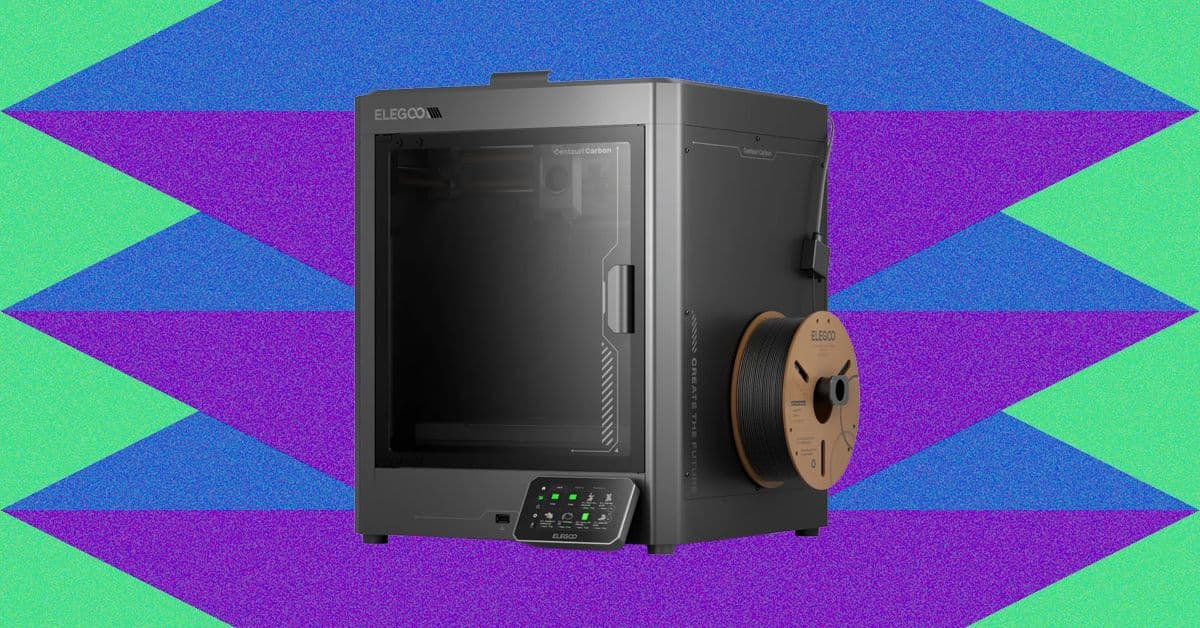
3D printers have become more affordable, user-friendly, and genuinely kid-friendly. If your child has been asking for one, you might just say yes in 2026.
This insight comes from Wired’s 2026 guide to kids and 3D printing. The article suggests that the technology has matured enough to be a great gift for curious and creative kids. However, there are important factors to consider before making a purchase.
What a 3D Printer Actually Does
A 3D printer creates physical objects by melting thin strands of plastic and layering them until a shape forms. Imagine a hot glue gun that follows digital instructions, similar to how a regular printer works but with tangible results you can hold.
Kids can design or download a 3D model on a computer, send the file to the printer, and a few hours later, they have something tangible: a phone stand, a figurine, a custom chess piece, or even a part for a broken toy. The excitement for children is clear. Waking up to a completed print feels like Christmas morning.
What Has Changed in 2026
Entry-level 3D printers now cost under $300, with reliable models available for around $150. Software has seen massive improvements. Modern slicers, which convert 3D designs into printer instructions, offer beginner modes that simplify most technical decisions. Many printers now come with auto-leveling features, eliminating a major hassle for early users.
Free design libraries like Thingiverse and Printables offer hundreds of thousands of ready-to-print files. This means kids can dive in without needing to design from scratch. When they’re ready to get creative, free tools like Tinkercad allow children as young as eight or nine to learn basic 3D modeling.
What You Should Know Before Buying
It Requires Adult Involvement — At First
A 3D printer isn’t a plug-and-play toy. Setup takes time, prints can fail, and fixing problems requires patience. Younger kids will need a parent’s help, especially during the initial weeks. Think of it more like building a model kit together rather than just buying a gaming console.
The Filament Cost Adds Up
The printer itself is a one-time expense, but the plastic filament it uses is an ongoing cost. A standard spool runs about $15 to $25 and lasts through several prints. However, an eager kid can go through filament quickly, so budget accordingly.
Print Times Are Long
A small figurine might take around two hours to print. Bigger projects can take eight hours or even overnight. This teaches patience, which can be a good or bad thing depending on your child.
There Are Safety Considerations
The print nozzle heats up to temperatures above 200°C (around 390°F). Most modern printers have enclosed hot components, but they’re not safe for unsupervised toddlers. For kids ten and up who understand hot surfaces, the risks are manageable.
| Metric | Detail |
|---|---|
| Entry-level printer cost | $150 – $300 |
| Standard filament spool cost | $15 – $25 |
| Recommended minimum age | 8–10 (with adult supervision) |
| Free 3D model files on Printables | 1M+ |
| Typical small print time | 1–3 hours |
| Typical large print time | 6–12 hours |
What This Means for Everyday Families
For parents, a 3D printer is one of the few gifts that truly grows with a child. A six-year-old might just watch the prints happen and choose colors. A ten-year-old can download files and start prints on their own. By the time they’re teenagers, they can learn CAD (computer-aided design) and create original objects. The learning curve is real, but the benefits are substantial.
Plus, it doubles as a handy household tool. Broken drawer handle? Print a replacement. Need a specific cable organizer? Design one. Families often find themselves using the 3D printer just as much as the kids do.
However, it’s not for families seeking a low-maintenance gift. If no one in the house is willing to troubleshoot occasional failed prints, the printer may end up gathering dust after the initial excitement fades.
Community Reactions
“Got my 9-year-old a Bambu A1 Mini last year. She’s printed over 200 things. Best purchase I’ve made in years. She’s now learning Fusion 360 on her own.”
“Honest review after 6 months: the printer is great, the filament costs are real, and my kid went through a phase of printing nothing but Among Us characters. Now he’s designing his own stuff. Worth it.”
What To Watch
- Back-to-school sales (August 2026): Entry-level 3D printers usually see price drops in late summer, making it a good time to buy.
- Bambu Lab and Prusa releases: Both companies have hinted at updated entry-level models for late 2026, which could drive current-generation prices down further.
- School adoption: More school districts are adding 3D printers to maker spaces and STEM labs, meaning kids may have some exposure before you decide to buy one for home.
Sources: Wired — Should You Buy Your Kid a 3D Printer? (2026)

Ava Mitchell
Ava Mitchell is a digital culture journalist at Explosion.com covering social media platforms, streaming services, and the creator economy. With 4 years reporting on TikTok, Instagram, YouTube, and the apps that shape daily life, Ava specializes in explaining platform policy changes and their impact on everyday users. She previously managed social media strategy for a tech startup, giving her firsthand experience with the platforms she now covers.