Zoox, the autonomous vehicle company owned by Amazon, has introduced an updated version of its specialized robotaxi. This new model features improved cushioning, lighter interior colors, and better audio hardware, bringing it closer to launching paid commercial services in four U.S. cities.
What Changed in the New Version
The updated Zoox vehicle is being called the “next evolution” of its unique boxy, bidirectional robotaxi. This design allows the vehicle to drive equally well in either direction, eliminating the need for a traditional front or back. Picture it as an elevator on wheels: passengers face each other, and the car moves in the most logical direction without needing to turn around.
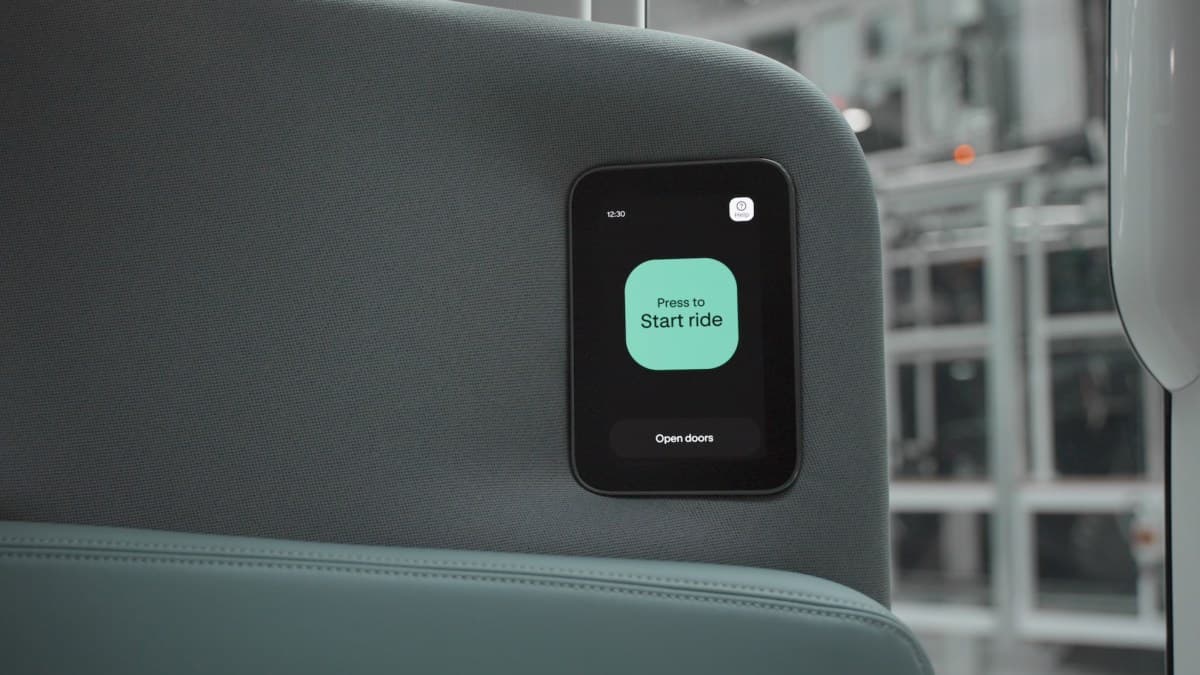
Interior updates are more practical than dramatic. Zoox added extra cushioning in the seats for comfort on longer rides, switched to lighter color schemes inside the cabin, and upgraded the microphone and speaker system for communicating with Zoox Support. This is the remote human team riders can reach out to if something goes wrong during a trip.
This last upgrade is more crucial than it may seem. In a fully driverless vehicle—one without a steering wheel and no human driver—the ability to hear and be heard by a support agent is your safety line if anything goes wrong.
Where Zoox Is Operating Right Now
Currently, Zoox operates a free robotaxi service in San Francisco, Las Vegas, Austin, and Miami. The rides are complimentary because the company is in a testing phase, working on regulatory approvals and building trust before charging for trips.
While Zoox has been running in these cities, its competitors, especially Waymo (owned by Alphabet, Google’s parent company), have already launched paid commercial services in select markets. Waymo’s robotaxis resemble modified standard cars, whereas Zoox’s vehicle is purpose-built from scratch for autonomous passenger transport, featuring no pedals, no steering wheel, and seats arranged for face-to-face interaction.
| Zoox By The Numbers | |
|---|---|
| Parent Company | Amazon (acquired 2020) |
| Active Cities | 4 (San Francisco, Las Vegas, Austin, Miami) |
| Current Fare | Free (pre-commercial phase) |
| Vehicle Design | Bidirectional, no steering wheel or pedals |
| Passenger Seating | Face-to-face interior configuration |
Why a Refresh Right Now
Timing is crucial. By refreshing its vehicle’s interior and communication systems right before launching commercially, Zoox is clearly focusing on enhancing the passenger experience that will matter most once they start charging. Free rides build goodwill, but paid rides need to deliver a product people actually want to use again.
The robotaxi market is heating up quickly. Waymo is expanding, Tesla has its own ambitions, and several Chinese autonomous vehicle companies are venturing into international markets. Zoox’s unique vehicle design sets it apart, but getting the interior details right—comfort, communication, reliability—will be key to converting curious early adopters into loyal customers.
Zoox’s connection to Amazon opens up intriguing long-term possibilities. Amazon already has one of the largest last-mile delivery networks globally. A fleet of autonomous vehicles designed for urban transport could one day serve both passengers and packages, although the company hasn’t confirmed any such plans yet.
Community Reaction
“The bidirectional thing is genuinely clever engineering. No wasted time doing K-turns or circling the block. The real question is whether they can scale it or if it’ll always be a boutique service.”
— u/transit_nerd_actual, r/SelfDrivingCars
“I tried it in Las Vegas and honestly the seats were a little firm. Good to know they’re addressing that before they start charging people.”
— YouTube comment on The Verge’s Zoox coverage
What This Means for Everyday Users
If you’re in San Francisco, Las Vegas, Austin, or Miami, you might already be able to request a free Zoox ride. The updated vehicle with better cushioning and clearer audio will likely start showing up in the fleet as Zoox rolls out these updates.
For everyone else, the bigger picture is that fully driverless taxis are no longer just a concept from a sci-fi movie. They’re operating on public roads right now, and at least two well-funded companies are working to make them a standard transportation option in major U.S. cities within the next few years. When Zoox starts charging for rides, how they price them, their availability, and reliability will determine if this becomes a real alternative to Uber or just a niche novelty.
Sources: TechCrunch | The Verge
What To Watch
- Commercial launch announcement: Zoox hasn’t set a specific date for the start of paid service, but the vehicle refresh hints that an announcement could come soon.
- Regulatory approvals: Each city needs separate regulatory sign-off for paid autonomous vehicle services. Keep an eye on decisions from the California Public Utilities Commission, as approval in San Francisco would be a major milestone.
- Competitor moves: Waymo plans to expand its paid service territory in 2026. How Zoox reacts, and whether it can launch before Waymo captures more cities, will greatly influence the competitive landscape.

Daniel Park
Daniel Park covers AI, cloud infrastructure, and enterprise software for Explosion.com. A former software engineer who transitioned to technology journalism 5 years ago, Daniel brings technical depth to his reporting on artificial intelligence, startup funding rounds, and the companies building the future of computing. He breaks down complex AI developments and business strategies into clear, actionable insights for readers who want to understand how technology is reshaping industries.