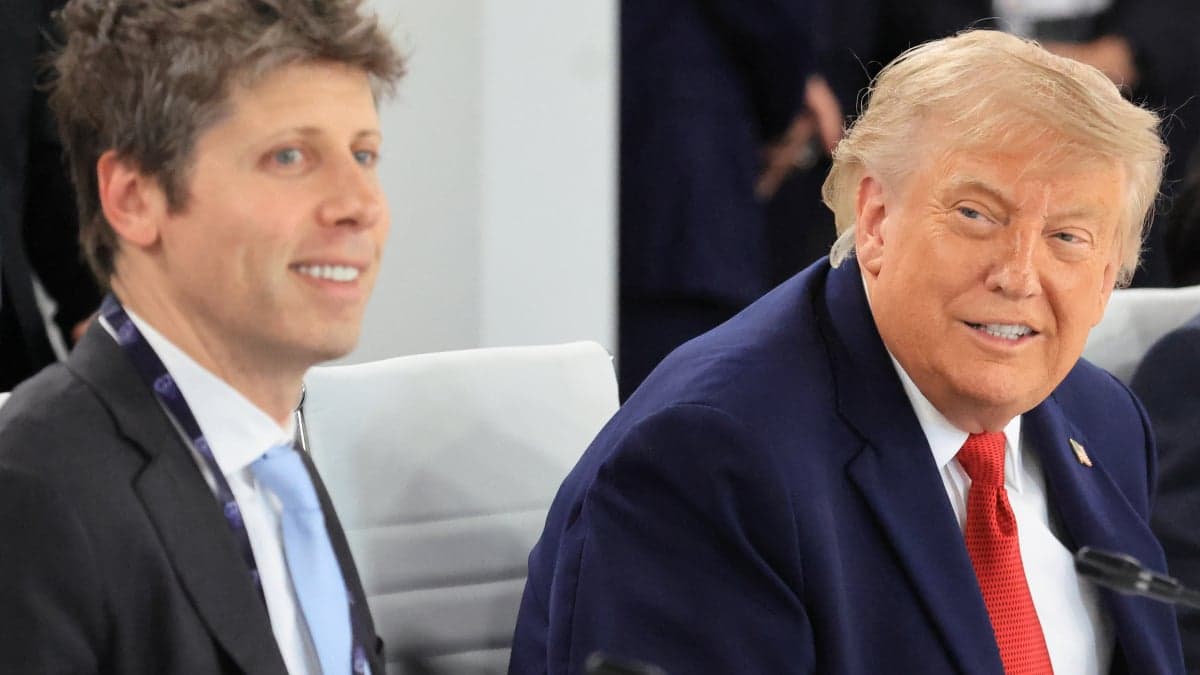
OpenAI CEO Sam Altman has suggested giving 5% of the company’s equity to a U.S. sovereign wealth fund, according to reports from TechCrunch and Ars Technica. This proposal assigns a dollar value to the government’s potential share in one of the world’s most valuable AI firms.
What’s Actually Being Proposed
Altman is currently in discussions with the Trump administration about transferring a 5% ownership stake in OpenAI to a U.S. sovereign wealth fund. If you’re not familiar, a sovereign wealth fund is essentially a government-owned investment fund — think of it as a national savings account that invests in companies and assets for the public good.
By doing this, the U.S. government would become a formal shareholder in OpenAI. This means American taxpayers could see financial benefits if the company continues to thrive. OpenAI’s last valuation was $300 billion, making the proposed stake worth about $15 billion on paper.
This isn’t the first time the idea of public participation in AI profits has surfaced. Senator Bernie Sanders and others have advocated for much larger government ownership stakes. They argue that AI companies have gained enormously from publicly funded research. Ars Technica points out that the 5% figure falls short of what Sanders has previously proposed.
Why OpenAI Would Do This
The timing of this proposal is crucial. OpenAI is undergoing a complex corporate restructuring, shifting from a nonprofit-controlled model to a more conventional for-profit business. This transition requires regulatory support, and backing from the Trump administration could help facilitate that.
It’s similar to a new business offering a city a share of future profits in exchange for a favorable zoning decision. The company gets the operational support it needs, while the government secures a financial stake and a political win.
There’s also a larger context here. Several tech companies have recently made substantial financial commitments or investments linked to the current administration. OpenAI’s proposed stake fits into this trend of Silicon Valley firms forging closer ties with Washington.
| Data Point | Detail |
|---|---|
| Founded | 2015 |
| CEO | Sam Altman |
| Headquarters | San Francisco, CA |
| Last Reported Valuation | $300 billion |
| Proposed Government Stake | 5% |
| Estimated Stake Value | ~$15 billion |
| Sector | Artificial Intelligence |
The Politics Behind the Pitch
President Trump proposed a U.S. sovereign wealth fund earlier this year as a way for the government to invest in strategic industries. If this deal goes through, OpenAI’s offer would be one of the first major equity contributions to such a fund.
Critics from both sides of the aisle may have concerns. Some worry about government overreach and may not support the idea of Washington having a direct stake in a powerful AI company. Others, like Sanders, might argue that 5% isn’t enough, especially considering how much federal research funding has contributed to the technology behind OpenAI’s products.
What This Means
For users of ChatGPT or other OpenAI products, nothing changes immediately. You won’t see a government logo on your chat interface, and your data policies won’t shift overnight because of this deal.
The long-term effects are harder to predict. Government ownership, even a minority stake, could impact how OpenAI is regulated in the future. A shareholder with political interests may have different priorities than a passive financial investor. If this deal moves forward, it might set a precedent for other AI companies to propose similar arrangements, changing how the U.S. government interacts with the tech sector.
For taxpayers, a 5% stake in a $300 billion company sounds impressive. But remember, sovereign wealth funds usually operate over long timeframes. OpenAI’s valuation depends on sustained growth in a competitive and rapidly evolving market.
What People Are Saying
“So the government gets 5% but also gets to influence how the most powerful AI lab operates? That’s not a financial deal, that’s a policy tool dressed up as an investment.”
“If this actually goes to a sovereign wealth fund that benefits Americans, I’m cautiously for it. The question is whether that fund ever actually pays out to regular people or just sits in Washington.”
Sources
- TechCrunch: OpenAI proposed donating 5% of its equity to a US sovereign wealth fund
- Ars Technica: Trump gets OpenAI to offer US 5% stake, far lower than Sanders’ target
- Mashable: OpenAI might give a 5 percent stake to the US government
What To Watch
- OpenAI’s nonprofit conversion: The company’s transition to a for-profit entity is still underway. How this equity offer affects regulatory approval will be important to keep an eye on.
- Congressional response: Lawmakers like Bernie Sanders have pushed for larger public stakes in AI companies. Expect some pushback arguing 5% isn’t sufficient.
- Sovereign wealth fund formation: The Trump administration’s proposed U.S. sovereign wealth fund is still evolving. Look out for official announcements on its structure and governance, which will determine how meaningful this stake could be for the public.
- Other AI companies: If OpenAI’s offer is well-received politically, similar proposals from Google DeepMind, Anthropic, or xAI might follow.

Maya Torres
Maya Torres is the Consumer Tech Editor at Explosion.com with 7 years covering product launches for major technology publications. She has reviewed over 300 devices across smartphones, laptops, wearables, and smart home products. Maya specializes in translating spec sheets into real-world buying advice and attends CES, MWC, and Apple keynotes as press. Her reviews focus on helping readers decide what to buy, not just what specs look good on paper.