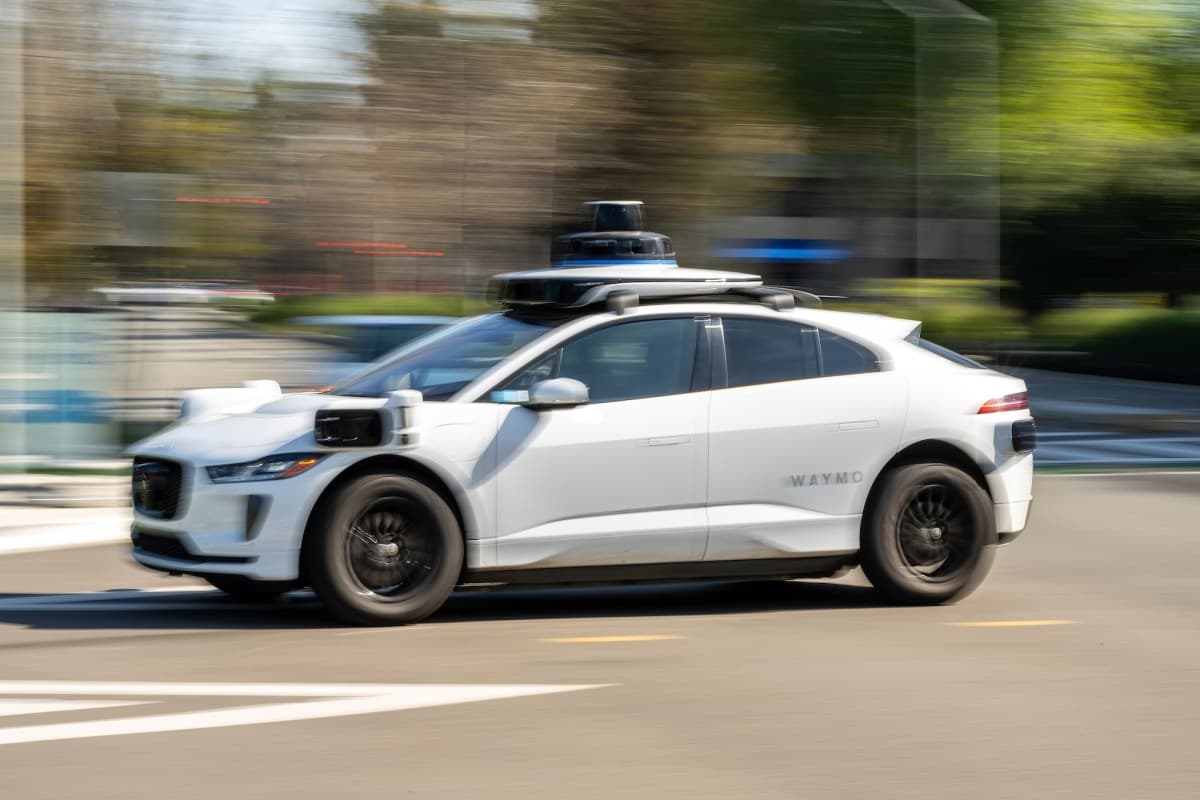
Waymo is recalling over 3,800 of its self-driving robotaxis after a software issue caused the vehicles to drive into closed highway construction zones at full speeds. The company confirmed at least 13 separate incidents where its cars entered areas of the highway that were shut down for roadwork.
What Happened
The issue lies in how Waymo’s software interprets temporary road closures. When construction crews close off highway sections, they use cones, signage, and sometimes barriers to indicate that the road ahead is off-limits. In at least 13 documented instances, Waymo’s system failed to recognize these signals and drove into restricted zones anyway.
Imagine a GPS that hasn’t been updated with new road information — instead of just giving wrong directions, the car actually drives into a hazardous area where workers could be present.
Waymo filed the recall with the National Highway Traffic Safety Administration (NHTSA), the federal agency responsible for vehicle safety in the U.S. The fix involves a software update, so Waymo can push this correction over the air to its fleet without needing owners or drivers to bring vehicles in for service.
How Big Is This Fleet?
| Detail | Numbers |
|---|---|
| Vehicles affected by recall | 3,800+ |
| Confirmed construction zone incidents | 13 |
| Fix delivery method | Over-the-air software update |
| Recall filed with | NHTSA |
Why Construction Zones Are Especially Dangerous
Highway construction zones are among the most dangerous places for any vehicle, whether autonomous or driven by a person. Workers often work near live traffic lanes, heavy equipment moves unpredictably, and lane markings might be missing or replaced with temporary signals. The Federal Highway Administration reports thousands of construction zone crashes in the U.S. every year.
For self-driving cars, these situations are especially tricky. Autonomous vehicles rely heavily on high-definition maps and real-time data from cameras, radar, and lidar, which measures distances using laser pulses, similar to sonar but using light. When the actual layout of a road suddenly doesn’t match what’s on the map — like in active construction zones — the software needs to interpret what it sees on the fly. In these 13 cases, it failed to do so.
What This Means
If you’ve ever taken a Waymo ride in places like San Francisco, Los Angeles, or Phoenix, this recall is important for your safety. The vehicles involved are part of the company’s commercial robotaxi service, meaning paying passengers might have been in cars that drove past closed-road signage on highways.
The good news is that Waymo identified and reported this through its internal review process, and no injuries have been publicly linked to these 13 incidents. The software update also means the fix will be quick — Waymo doesn’t need to physically service thousands of cars. However, this raises serious questions about how well autonomous vehicles handle unpredictable, temporary real-world conditions not reflected in pre-loaded maps.
For everyday riders, the key takeaway is that the update should be applied to Waymo’s fleet promptly. But for the broader autonomous vehicle industry, this incident is a reminder that unusual road conditions remain one of the toughest challenges to address.
What People Are Saying
“13 times is a lot more than an edge case. That’s a pattern. Glad they caught it, but this is why full autonomy needs more oversight.”
“People act like human drivers don’t blow through construction zones constantly lol. At least Waymo actually reports it and issues a fix.”
For More Information
Full details on the recall are available from TechCrunch’s coverage and Engadget’s report on the recall filing.
What To Watch
- Software update rollout: Waymo hasn’t publicly provided a specific timeline for completing the over-the-air update across all 3,800+ affected vehicles. Keep an eye out for confirmation that the full fleet has been patched.
- NHTSA response: The federal safety agency may follow up with additional scrutiny or reporting requirements. NHTSA has been increasing its oversight of autonomous vehicle incidents over the past two years.
- Competitor reaction: Other robotaxi operators, including Tesla’s planned Cybercab service and Cruise (if it returns to operation), will likely face questions about whether similar construction zone vulnerabilities exist in their systems.
- Incident data: Waymo must report certain autonomous vehicle incidents to regulators. Future filings will indicate whether the software fix truly resolves the issue or if new edge cases arise.

Daniel Park
Daniel Park covers AI, cloud infrastructure, and enterprise software for Explosion.com. A former software engineer who transitioned to technology journalism 5 years ago, Daniel brings technical depth to his reporting on artificial intelligence, startup funding rounds, and the companies building the future of computing. He breaks down complex AI developments and business strategies into clear, actionable insights for readers who want to understand how technology is reshaping industries.