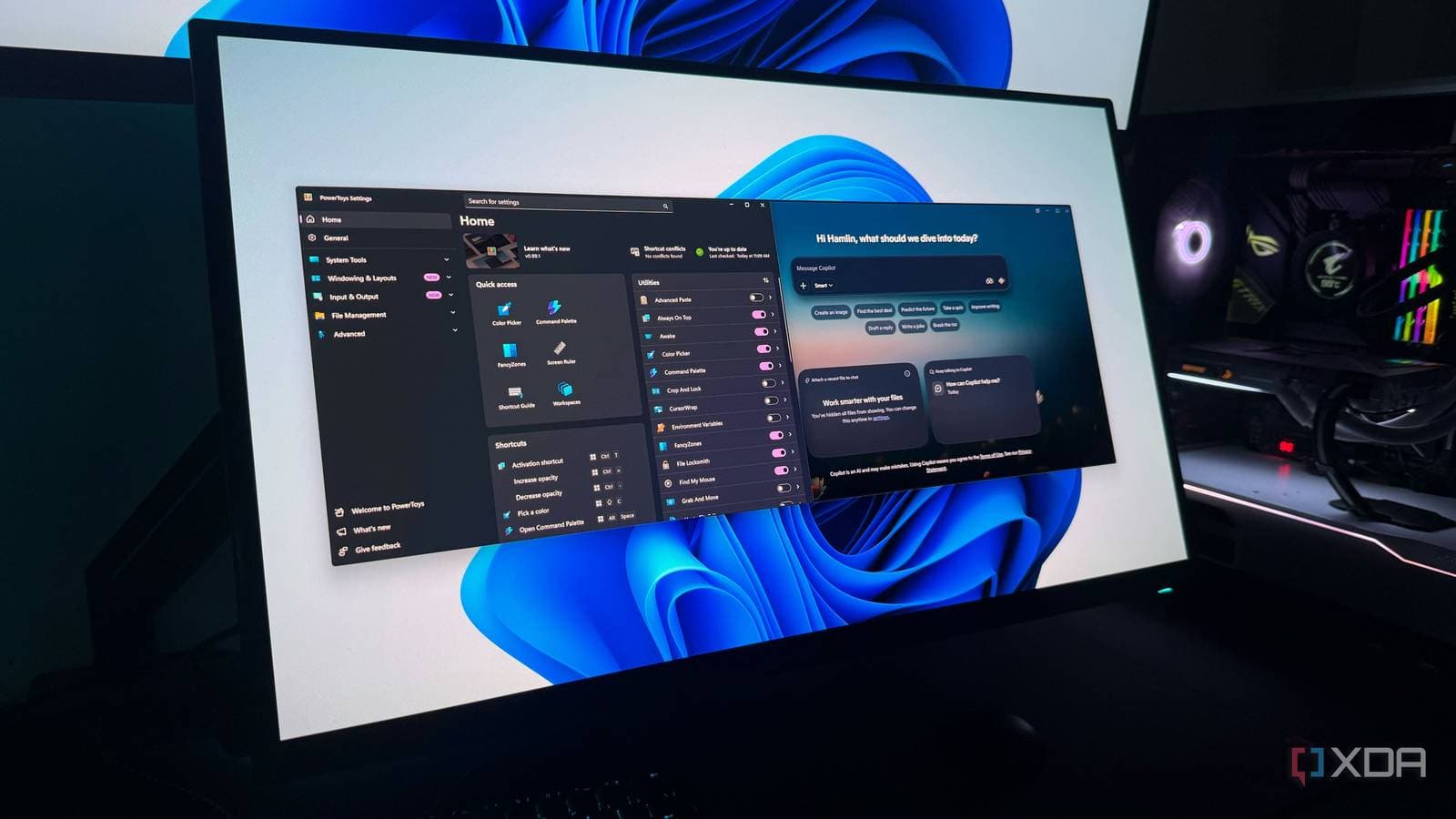
Microsoft is making changes to Windows Search that will prevent your half-typed or misspelled queries from being sent to Bing. This update addresses one of the annoyances many users have experienced in Windows 11.
Currently, whenever you type something in the Windows Search bar, those keystrokes are sent to Bing in real time. So if you start typing “embarr” or mistype a filename, this information gets sent to Microsoft’s servers before you’ve even finished your thought. With the new approach, Windows will only send your query to Bing when you actually intend to search the web.
What’s Actually Changing
The update, first noticed by XDA Developers, makes Windows Search more focused on local results by default. Instead of assuming every keystroke is a web search, Windows will now prioritize searching your device first—your files, apps, and settings—before reaching out to Bing.
Imagine asking a friend a question quietly at home instead of shouting it over a loudspeaker. The new behavior keeps things private until you really want to go online.
If you’re still interested in web results, don’t worry. You can still search Bing from the same bar. The key difference is that Windows won’t automatically assume every search is meant for the internet.
Why This Matters for Privacy
Sending keystrokes to a remote server in real time counts as telemetry, which is data sent back to a company. Even if Microsoft isn’t using those partial queries in harmful ways, many users had no idea it was happening. For instance, if someone typed their name to find a local document, that name could be sent to Bing mid-keystroke.
The updated Search also reportedly handles local queries more quickly since it won’t be waiting for a network round-trip— the time it takes for data to travel to a server and back— before showing results.
By The Numbers
| Metric | Detail |
|---|---|
| Windows 11 active devices | Approx. 500 million (as of 2025) |
| Current behavior | Every keystroke sent to Bing in real time |
| New behavior | Local-first search; Bing only on web intent |
| Rollout status | In testing; broader Windows 11 rollout expected |
What This Means for You
If you mainly use Windows Search to launch apps or find files, you’ll notice two big changes: results will feel faster, and stray keystrokes won’t be sent to the internet. For those who use Windows Search to look things up online, the experience will remain largely the same, but local results will come first.
This update is a win for anyone working with sensitive information. Lawyers, healthcare professionals, or anyone handling confidential files won’t accidentally send fragments of that data to Bing anymore.
The change also pushes back against Microsoft’s trend of integrating Bing and AI features deeper into Windows over recent years. Users have expressed concerns about privacy with features like Recall, Microsoft’s AI-powered screenshot history tool. This update seems to show Microsoft is listening to that feedback in this area.
Community Reaction
“Wait, Windows has been sending my keystrokes to Bing this whole time? That’s insane. Glad they’re fixing it but also kind of wild that was ever the default.”
“This should have been the default from day one. Local search should ALWAYS be local. The fact that it took this long is the story.”
What To Watch
- Rollout timing: The feature is currently in testing. Microsoft usually rolls out Search changes through Windows Insider builds—early-access versions of Windows for testers—before releasing to all users. A wider release could happen in a few weeks to a couple of months.
- Bing integration going forward: Keep an eye on whether Microsoft continues to dial back the default Bing behavior elsewhere in Windows, or if this is just an isolated fix.
- AI Search features: Microsoft is incorporating AI-powered search into Windows. It’ll be interesting to see how local-first search coexists with these features and what data those AI tools collect as they expand.

Daniel Park
Daniel Park covers AI, cloud infrastructure, and enterprise software for Explosion.com. A former software engineer who transitioned to technology journalism 5 years ago, Daniel brings technical depth to his reporting on artificial intelligence, startup funding rounds, and the companies building the future of computing. He breaks down complex AI developments and business strategies into clear, actionable insights for readers who want to understand how technology is reshaping industries.