
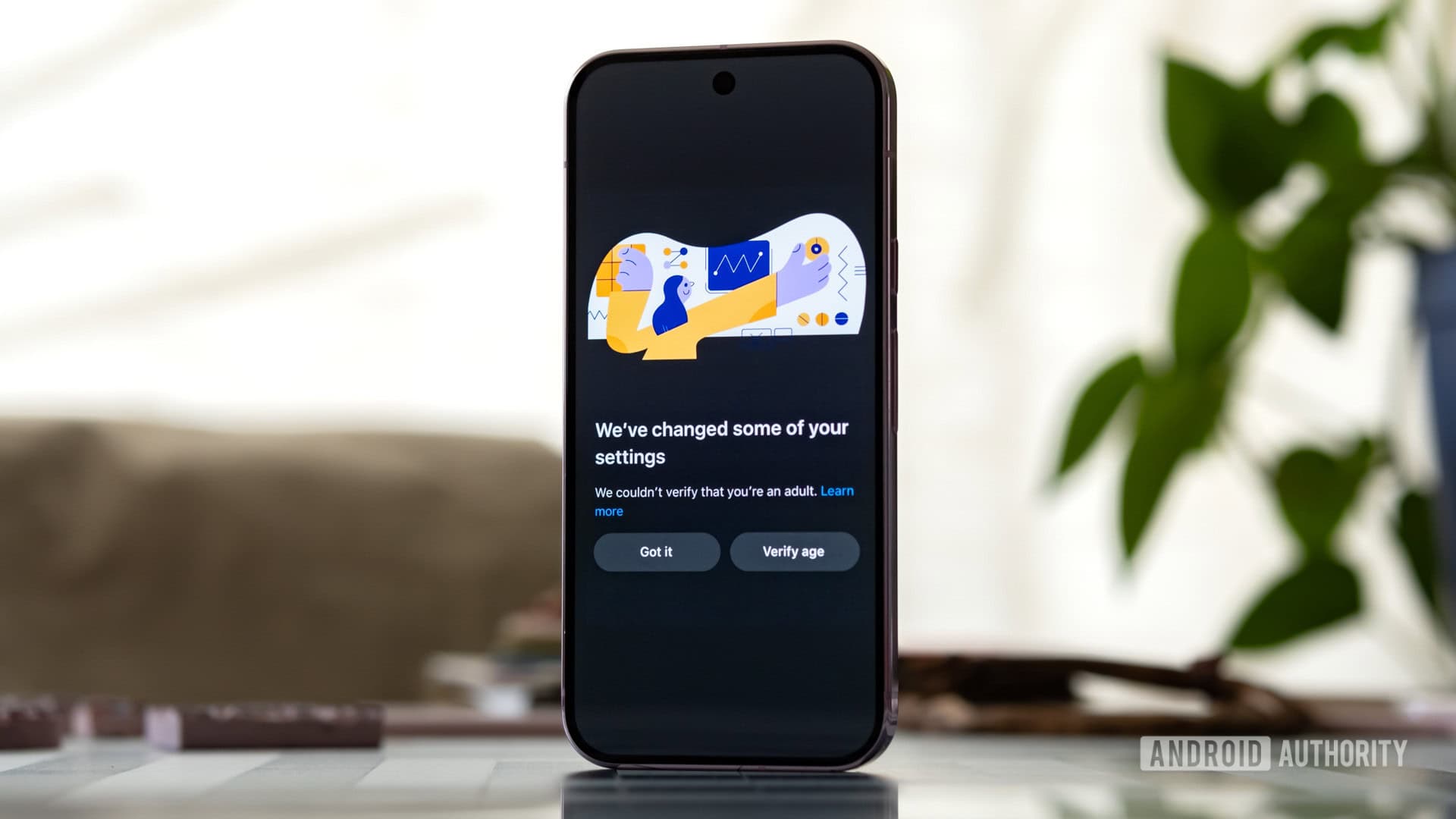
The UK government has unveiled a plan to prevent anyone under 16 from accessing social media, mandating that platforms verify each user’s age. Critics warn this could have implications far beyond just British teenagers.
What the UK Is Actually Planning
Under these new regulations, social media companies in the UK must confirm that users are at least 16 years old before giving them access. This isn’t just a suggestion; platforms that don’t comply could face significant penalties under the UK’s Online Safety Act, a law that empowers the British communications regulator, Ofcom, to oversee online content.
As reported by Ars Technica, the government is also looking at implementing overnight curfews on social media for minors. This means platforms would need to block young users during specific hours, even if they managed to confirm a teen’s age.
Think of it like a nightclub door policy. Instead of a bouncer checking IDs, algorithms and identity verification will determine who gets to enter.
How Age Verification Actually Works
This is where things get tricky for everyone, not just kids. To verify age, platforms will likely have to compare users’ identities against reliable sources, such as government IDs, credit cards, mobile phone contracts, or third-party age verification services.
This means millions of adults who currently browse TikTok, Instagram, or YouTube anonymously would need to share personal information to continue using these services. As Android Authority points out, many adults don’t want to provide big tech companies with a copy of their passport just to watch videos.
Privacy advocates have raised concerns about what happens with that data afterward. Once a company has your government ID, questions arise about how it’s stored, who can access it, and the risk of it being compromised in a breach.
Why Critics Say This Won’t Work
Opponents of the ban argue it addresses the wrong issue in the wrong way. Here are their main concerns:
- VPNs make it easy to bypass. A VPN can mask your internet location and identity, allowing users to appear as if they’re browsing from another country. Teenagers are already more adept at using VPNs than many adults.
- Bans push kids to riskier parts of the internet. If popular platforms become inaccessible, younger users might migrate to less-regulated sites with fewer safety features — essentially the opposite of the intended goal.
- Age verification has a poor track record. Several countries have tried similar measures. Australia passed an under-16 social media ban in late 2024, but initial evidence suggests enforcement has been inconsistent.
| Detail | Figure |
|---|---|
| Minimum age under new UK rules | 16 years old |
| UK law underpinning enforcement | Online Safety Act (2023) |
| Other countries with similar bans | Australia (passed Nov 2024) |
| Potential overnight curfew | Under consideration (hours TBD) |
Why Under-16s Everywhere Should Pay Attention
The UK’s decision matters worldwide because tech regulation often spreads. When a significant market like the UK requires age verification, platforms tend to implement the same systems globally instead of maintaining different versions for each country. This was seen with data privacy rules; the EU’s GDPR (General Data Protection Regulation) from 2018 ended up impacting how data was handled for users in the US and Australia, despite the law only applying in Europe.
If UK age verification becomes standard for major platforms, teens in the US, Canada, and other places might soon face similar ID checks, even without their governments passing equivalent laws.
What This Means for Everyday Users
For parents, this could be good news — a legal assurance that platforms are at least attempting to keep young kids away from adult content. For teenagers, though, it poses a significant barrier to tools they rely on for school, socializing, and self-expression, not just entertainment.
Adults who value online anonymity face a bigger concern. A system designed to keep 15-year-olds off Instagram also forces every 45-year-old to prove they’re not 15. The privacy tradeoff is real, affecting everyone.
For platforms, the costs of compliance will be substantial. Building, maintaining, and securing age verification systems is expensive, and smaller companies may struggle to keep pace.
Community Reaction
“The irony is that every tech-savvy 14-year-old already knows what a VPN is. This is going to inconvenience adults way more than kids.”
“As a parent, I get why they’re trying, but demanding my passport to watch YouTube feels like a massive overcorrection.”
What To Watch
- Ofcom’s implementation timeline: The regulator still needs to release specific technical requirements for how platforms should verify ages. This guidance will clarify how strict or workable the rules will be in practice.
- Platform responses: Keep an eye out for announcements from Meta, TikTok, Google, and Snap regarding their compliance plans and any legal pushback.
- Australia’s results: Australia’s under-16 ban, passed in November 2024, is further along in implementation. Early data from there will provide a clearer picture of whether these bans actually change online behavior among teens.
- US legislative movement: Several US states have attempted similar age-gating laws. A successful or failed rollout in the UK will likely influence those discussions.

Daniel Park
Daniel Park covers AI, cloud infrastructure, and enterprise software for Explosion.com. A former software engineer who transitioned to technology journalism 5 years ago, Daniel brings technical depth to his reporting on artificial intelligence, startup funding rounds, and the companies building the future of computing. He breaks down complex AI developments and business strategies into clear, actionable insights for readers who want to understand how technology is reshaping industries.


