
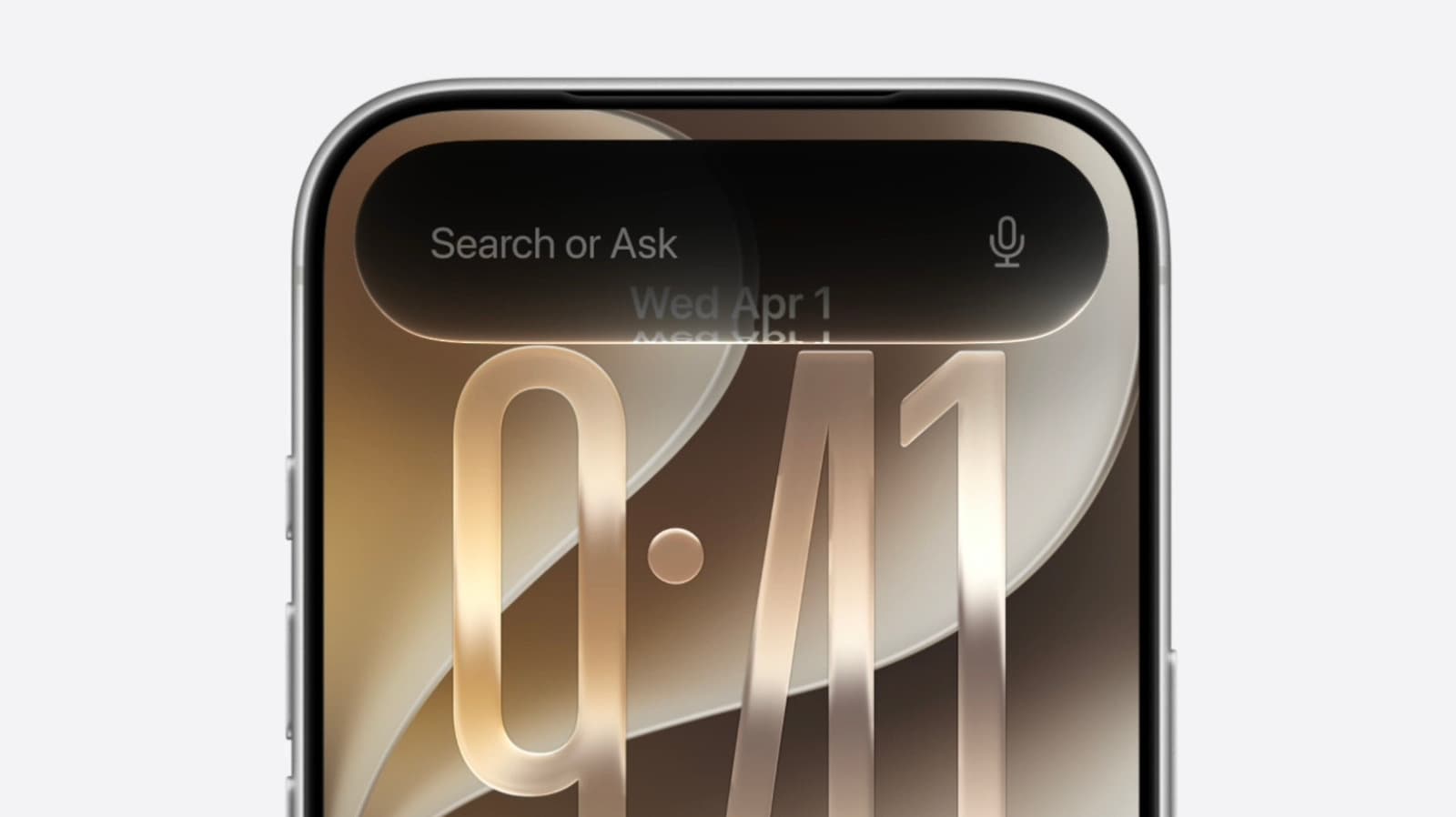
Apple’s revamped Siri is stepping out with a clear goal: it won’t try to win you over. In a recent chat, Craig Federighi, Apple’s Senior Vice President of Engineering, confirmed that the new Siri is intentionally crafted to avoid flattery, reject romantic scenarios, and cut off conversations that cross the line.
| Apple (AAPL) — Company Snapshot | |
|---|---|
| Stock Price | $298.01 (+0.70%) |
| CEO | Tim Cook |
| Headquarters | Cupertino, CA |
| Founded | 1976 |
| Sector | Big Tech |
What Apple Is Actually Building
The updated Siri, part of Apple’s broader push into on-device AI through its Apple Intelligence platform, is designed around a principle engineers refer to as non-sycophancy. Sycophancy in AI means chatbots say what users want to hear instead of providing accurate or helpful information. This issue has become prevalent in the industry. Earlier this year, OpenAI had to roll back a version of ChatGPT after users noticed it was agreeing with nearly everything, even blatantly incorrect statements.
Apple’s plan goes beyond just honesty. According to Engadget’s coverage of the Federighi interview, the new Siri aims to avoid behaviors Apple considers manipulative. This includes excessive compliments, emotional bonding tactics, and anything resembling companionship or romance.
And if a user pushes too hard? According to Android Authority’s report, the new Siri can simply end the conversation.
Why This Is a Bigger Deal Than It Sounds
Think of it like comparing a good financial advisor to a bad one. A bad advisor might say your poor investment idea is great just to keep your business. A good one shoots straight, even when it’s tough. Apple believes users want that honest approach.
This stance clearly contrasts with apps like Replika, Character.AI, and certain versions of ChatGPT. Those tools aim to create emotional connections and have faced backlash from mental health experts. They argue these apps can foster unhealthy dependencies, especially among younger users.
Apple’s position also has a solid business angle. The company has long emphasized privacy and user trust as key product features. An AI that flirts you into bad decisions or one that your child sees as a romantic partner poses risks for a brand that sells premium devices to families.
What This Means for Everyday Users
If you hoped Siri would become a chatty friend who agrees with everything, that’s not in the cards. Instead, you’ll get an assistant focused on being genuinely useful, not emotionally engaging.
This likely means a few things:
- Siri will provide straightforward answers without wrapping them in excessive praise.
- It won’t engage if you try to form a personal or romantic connection.
- If you push it into uncomfortable territory, it can shut the conversation down instead of awkwardly redirecting.
For most users relying on Siri for reminders, weather updates, or drafting quick messages, these changes won’t feel drastic. The updates mainly target edge cases that have caused public relations issues for other companies.
Community Reaction
Online reactions have been mixed. Some users appreciate the straightforward approach, while others doubt the current Siri can even handle this new anti-sycophancy stance.
“The bar isn’t ‘don’t be my AI girlfriend.’ The bar is ‘actually understand what I’m asking the first time.'” — Reddit user in r/apple
“Honestly respect Apple for this. Every other AI app is trying to get you addicted. At least one company is trying to build something that doesn’t manipulate you.” — YouTube comment on Android Authority’s coverage
What To Watch
Apple hasn’t set a specific date for when the fully upgraded Siri with these behavioral guardrails will be available to everyone. Here are a few things to keep an eye on:
- Apple’s fall software cycle: Major Siri updates typically launch alongside new iPhone hardware, which usually comes out in September. iOS 26 is already in developer beta and might include additional Siri changes.
- Competitor responses: If users like a less emotionally manipulative AI, expect Google and Microsoft to follow suit with their own assistants.
- Regulatory pressure: The EU and several U.S. states are examining AI companionship apps and their psychological effects on minors. Apple’s design choices might be referenced as a model, or at least a contrast, in these discussions.

Maya Torres
Maya Torres is the Consumer Tech Editor at Explosion.com with 7 years covering product launches for major technology publications. She has reviewed over 300 devices across smartphones, laptops, wearables, and smart home products. Maya specializes in translating spec sheets into real-world buying advice and attends CES, MWC, and Apple keynotes as press. Her reviews focus on helping readers decide what to buy, not just what specs look good on paper.


