Slay the Spire 2’s random number generation isn’t truly random — and a recent technical analysis shows that players frustrated by seemingly predictable outcomes aren’t imagining things. The game’s correlated RNG system produces results that differ from true statistical independence, which means some outcomes are more likely to follow one another than probability alone would lead you to believe.
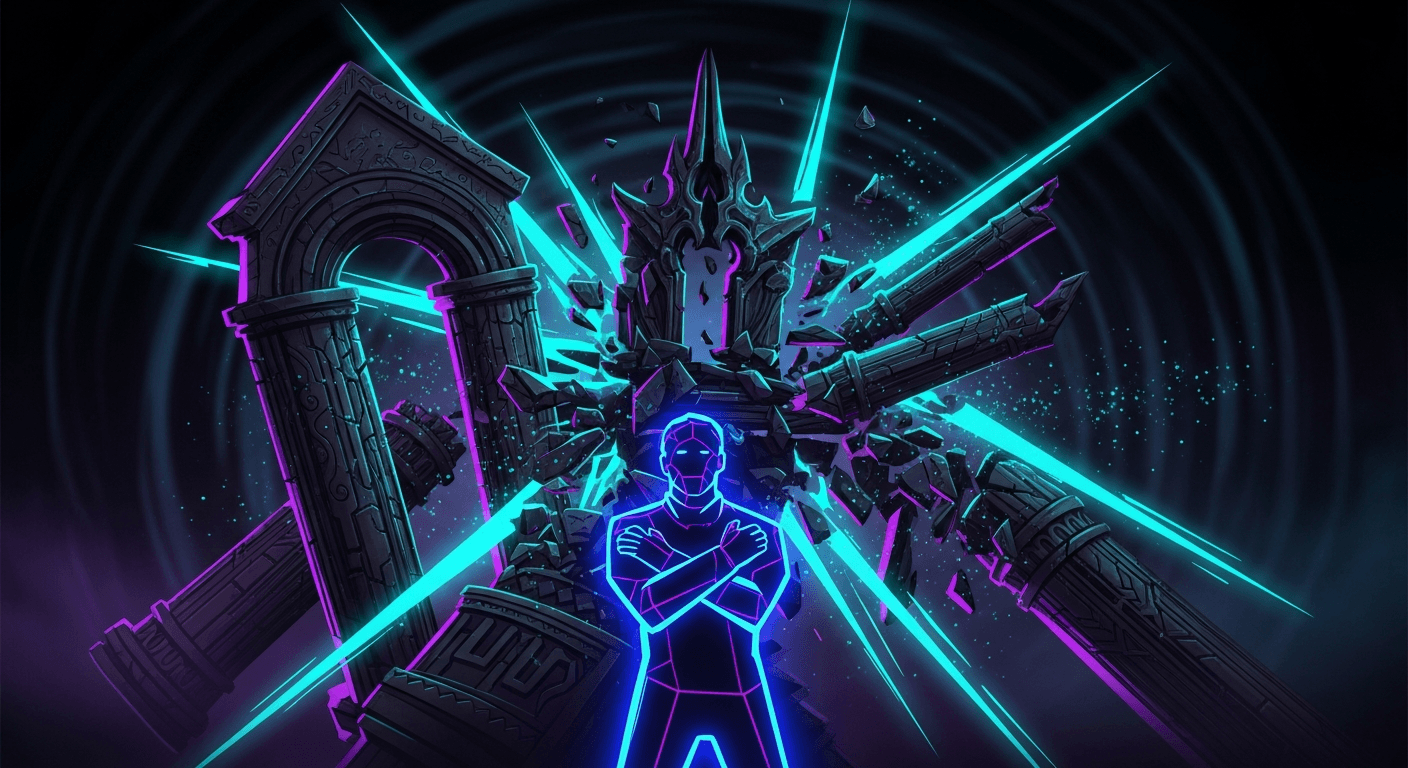
The problem lies in what’s called correlated RNG. Here, the seed values that drive various random systems in the game share dependencies. This results in a bad card offering being statistically more likely to show up alongside an unfavorable relic or event outcome. It creates a kind of layered bad luck that can derail runs in ways that feel more designed than just unfortunate. PCGamesN’s analysis of the system confirms this isn’t just superstition: the correlations are real and measurable.
Mega Crit hasn’t publicly stated whether the correlated RNG behavior is a part of the design or an unintentional artifact. This distinction matters. If it’s intentional, the studio consciously chose to cluster negative outcomes, which goes against how most roguelike developers approach run variance. If it’s a bug, it’s one that has lingered through multiple patches, including the June 5 update that buffed Monarch’s Gaze and addressed various other fixes.
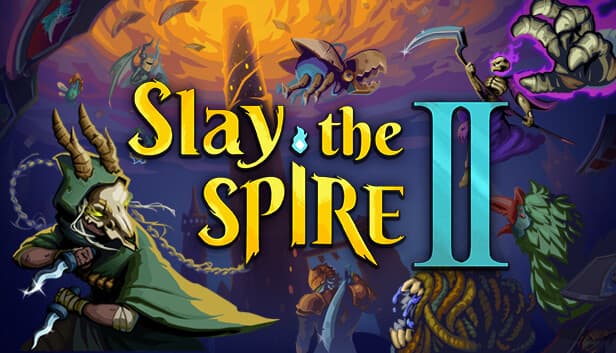
The timing is tricky for Mega Crit. Slay the Spire 2 launched in Early Access on March 6, 2026, priced at $24.99, and has gained an impressive 94% positive rating across 57,459 Steam reviews — a solid foundation suggesting the core game loop is effective. But RNG integrity is crucial to the roguelike genre’s unwritten agreement with players: that skill and decision-making truly impact outcomes, even within a random framework. Correlated randomness challenges that agreement.
The competitive meta adds another layer of concern. Silent builds have ruled Ascension 10 play since mid-June. If correlated RNG systematically influences how reliably those builds come together, high-level players might be optimizing around a flawed variable. Any tier list or strategy guide based on current data could be partially reflecting RNG correlation artifacts rather than just pure build strength.
| Steam Review Score | 94% positive |
| Total Steam Reviews | 57,459 |
| Current Concurrent Players | 97,671 |
| Current Price (Steam) | $24.99 |
| Early Access Launch Date | March 6, 2026 |
Community reaction to the RNG findings has been intense. Several Steam reviewers have pointed out the perceived randomness as a major frustration. One reviewer summed it up: “It’s totally RNG based game.” This sentiment shows up often in recent negative reviews. While that view oversimplifies a game with real strategic depth, the correlated RNG analysis gives those complaints a solid technical basis that’s tough to dismiss as just a skill issue.
What To Watch
- Mega Crit’s official response: Whether the studio considers correlated RNG a bug or intentional behavior will shape how quickly it gets resolved. Keep an eye on the game’s Steam patch notes and official Discord for any acknowledgment.
- Ascension meta stability: If Mega Crit updates the RNG system, current build tier lists based on Ascension 10 Silent dominance might change significantly as run variance normalizes.
- Early Access review trajectory: The 94% positive score has held steady, but ongoing community focus on a systemic issue like RNG integrity could put pressure on that rating as more players explore and document the correlation patterns.

Alex Mercer
Alex Mercer is the Gaming News Editor at Explosion.com with over 8 years of experience covering the gaming industry. He previously wrote for several gaming publications and has attended E3, Gamescom, and The Game Awards as press. Alex specializes in breaking news coverage, studio analysis, and tracking industry trends. When not writing, he's grinding ranked matches in Valorant or exploring the latest RPG releases.