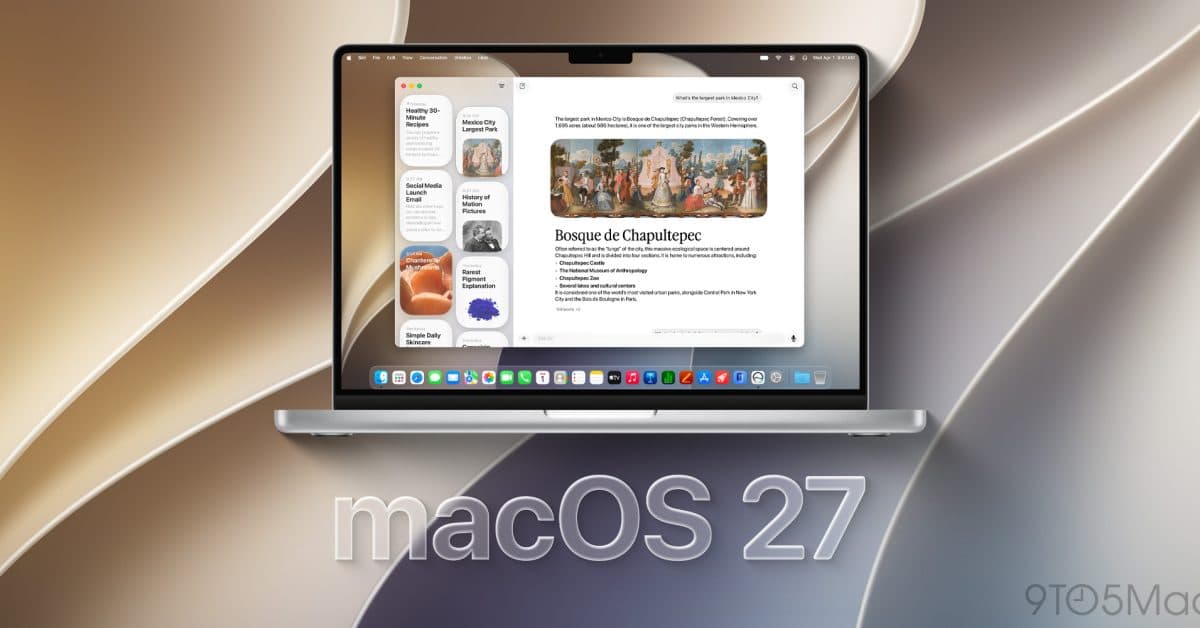
Apple is slowly moving away from its practice of naming macOS releases after California landmarks. Instead, they’re switching to straightforward version numbers for their software and developer tools.
The End of Golden Gate, Tahoe, and Friends?
For years, Apple has named each macOS version after a California landmark — think Ventura, Sonoma, Sequoia, and the upcoming macOS Tahoe. However, according to 9to5Mac, Apple has quietly begun using version numbers like macOS 26 in various places within its developer documentation, system frameworks, and internal references.
This change aligns macOS with Apple’s other platforms, such as iOS, iPadOS, watchOS, and tvOS. Those systems adopted version numbers years ago. macOS has been the last holdout, clinging to its unique names while the rest of Apple’s operating systems have moved on.
Where the Change Is Showing Up
For now, the version number references aren’t prominent in Apple’s marketing. Instead, they’re showing up in areas developers use daily: API (application programming interface) documentation, SDK (software development kit) release notes, and system-level strings within macOS.
It’s similar to a company updating its internal documents before making a public announcement. The consumer-facing name remains macOS Tahoe for the time being, but behind the scenes, it’s already being referred to as macOS 26.
This means a lot for developers, who typically reference specific OS versions in their code. If Apple standardizes version numbers across all its platforms, it simplifies development. A developer can check for “iOS 26, iPadOS 26, macOS 26” instead of searching for each platform’s name.
Why Apple Might Be Making This Move
Apple likely has a few practical reasons for moving macOS to version numbers. First, it brings consistency. With all Apple platforms using the same versioning system, documentation is clearer, and developer tools become easier to create. Second, Apple is reportedly unifying all its 2025-2026 OS releases under a single “26” version number. This suggests the company wants its platforms to feel like a cohesive family rather than separate entities.
Plus, California landmarks are limited. Apple has already used names like Monterey, Ventura, Sonoma, and Sequoia, so eventually, they’d run out of options.
| Detail | Info |
|---|---|
| CEO | Tim Cook |
| Headquarters | Cupertino, CA |
| Founded | 1976 |
| Stock (AAPL) | $299.24 (+0.95%) |
| Sector | Big Tech |
| Current macOS | macOS Sequoia (15) |
| Next macOS | macOS Tahoe (26, expected 2025) |
What This Means
For most Mac users, this change will stay under the radar for a while. Your Mac will still receive a release with a name — Tahoe is still Tahoe. But over the coming years, it wouldn’t be surprising if Apple’s marketing starts emphasizing “macOS 26” or “macOS 27” more than the geographic names.
The practical impact? When you reach out to Apple Support or ask a tech-savvy friend for help, saying “I’m on macOS 26” will soon be more useful than “I’m on Tahoe.” Just like “I’m on iOS 18” is clearer than any nickname. Plus, numbers work better across different languages and markets as Apple expands into areas where California names don’t resonate.
For developers, this shift already holds significance. Consistent version numbers across iOS, iPadOS, macOS, and watchOS mean less mental gymnastics when writing compatibility checks. This small efficiency gain can add up across thousands of developers creating millions of apps.
Community Reaction
“Honestly the names were always a bit confusing when telling someone what OS you’re on. Just say the number like every other platform.”
“I get why Apple is doing it but I’ll miss the California vibes. Monterey was a great name. ’26’ is just… a number.”
What To Watch
- WWDC follow-through: Apple officially previewed macOS Tahoe at WWDC 2025. Keep an eye on whether consumer-facing materials start highlighting the version number more when Tahoe releases publicly, expected in fall 2025.
- macOS 27 naming: If Apple sticks with a California name for macOS 27, it suggests the version numbers are meant only for developers. If the marketing name fades or becomes secondary, the change is real.
- Developer docs updates: Apple’s developer documentation at developer.apple.com is where version-number-only references will first appear. Developers should watch for the phase-out of name-based API checks.
- Cross-platform consistency push: Apple aligning all 2026 platforms under a “26” umbrella hints at a broader design philosophy shift. Future product announcements may emphasize this unified versioning as a selling point.

Daniel Park
Daniel Park covers AI, cloud infrastructure, and enterprise software for Explosion.com. A former software engineer who transitioned to technology journalism 5 years ago, Daniel brings technical depth to his reporting on artificial intelligence, startup funding rounds, and the companies building the future of computing. He breaks down complex AI developments and business strategies into clear, actionable insights for readers who want to understand how technology is reshaping industries.