Google’s Gemini AI assistant is now integrated into the Chrome browser for users in Latin America, the Middle East, and Africa. This marks a continuation of its global rollout, which had already reached Asia Pacific countries.
What’s Actually Changing in Chrome
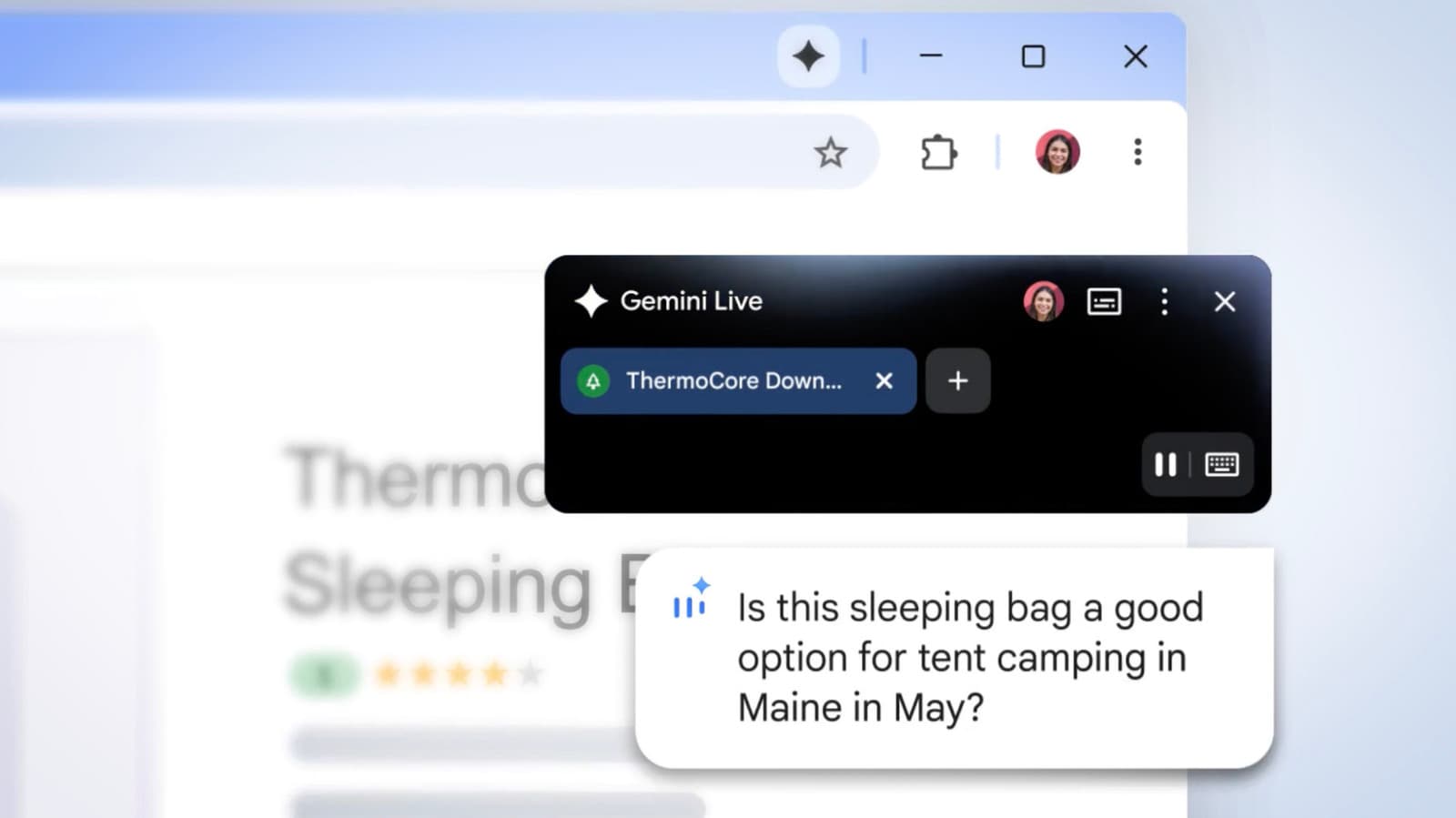
With Gemini in Chrome, Google’s AI assistant—an artificial intelligence chatbot—is right there in the address bar and sidebar. You won’t need to visit a different website to ask questions or get help with web pages. Think of it as having a research assistant right in your browser tab. It can summarize articles, answer questions about what’s displayed, or even help you draft text.
This feature first appeared in the United States, then expanded to Europe and Asia Pacific. Now, it’s reaching a fresh set of regions, including much of the Spanish and Portuguese-speaking world, Arabic-speaking countries, and large areas of Africa.
Who Gets It and When
According to 9to5Google, the rollout is ongoing. Not every user in these new regions will see the feature immediately. Google usually stages these rollouts over days or weeks. So, if you’re in one of the covered areas and it’s not showing up yet, don’t worry—it’s likely on its way.
The feature works with Chrome on desktop and requires users to sign in to a Google account. There’s no need for a separate download or installation. You’ll find it as an option in the browser’s side panel or via the address bar, depending on your Chrome version.
Why Google Is Pushing This Globally
Google is in a competitive race with Microsoft, which has integrated its Copilot AI into the Edge browser for over a year. They aim to make AI assistance feel like a seamless part of everyday browsing instead of a separate app you have to remember to open. By embedding Gemini in Chrome, they put it front and center for billions of users who already have the browser installed.
The expansions into Latin America and the Middle East are also important from a market perspective. Brazil alone boasts over 150 million internet users. The broader Latin American region is one of the fastest-growing smartphone and browser markets worldwide. By adding Gemini support in Spanish, Portuguese, and Arabic, Google is making sure the assistant is genuinely useful in these markets, not just technically available.
As Engadget reported, this expansion fits a pattern of Google gradually unlocking the feature region by region after initial testing in English-speaking markets.
| By The Numbers: Gemini in Chrome Rollout | |
|---|---|
| New regions added | Latin America, Middle East, Africa |
| Previous expansion | Asia Pacific |
| Chrome global users | ~3.2 billion (as of 2025 estimates) |
| Brazil internet users | ~150 million |
| Feature availability | Free with Google account sign-in |
What This Means
For everyday users in the newly added regions, you’ll soon be able to highlight text on any webpage and ask Gemini to explain it. You can summarize long articles in seconds or get help writing an email reply without switching apps or tabs. This is a quality-of-life upgrade that’s already a handy tool for users in the U.S. and Europe.
Language is another practical consideration. If Google has done its localization right, users who primarily browse in Spanish, Portuguese, or Arabic should be able to interact with Gemini in those languages. They won’t have to type queries in English to get helpful responses. That’s the key difference between a flashy feature and one that’s genuinely usable every day.
For those worried about privacy, Gemini in Chrome processes queries through Google’s servers. That means the assistant can see what page you’re on when you ask questions. Google’s standard data policies apply, but users can adjust what data they share through their Google account settings.
What To Watch
- Full rollout completion: If you’re in Latin America, the Middle East, or Africa and want Gemini in Chrome, keep checking your Chrome side panel over the next few weeks as the rollout finishes.
- Language quality: Early feedback from users in Spanish, Portuguese, and Arabic will indicate whether Google’s localization efforts are effective for non-English speakers.
- More regions incoming: Given the trend of regional unlocks, additional markets might see announcements in the coming months.
- Chrome updates: Google usually links feature availability to specific Chrome version numbers. Keeping Chrome updated will give you the best chance of seeing Gemini pop up as soon as it’s available in your area.

Maya Torres
Maya Torres is the Consumer Tech Editor at Explosion.com with 7 years covering product launches for major technology publications. She has reviewed over 300 devices across smartphones, laptops, wearables, and smart home products. Maya specializes in translating spec sheets into real-world buying advice and attends CES, MWC, and Apple keynotes as press. Her reviews focus on helping readers decide what to buy, not just what specs look good on paper.