
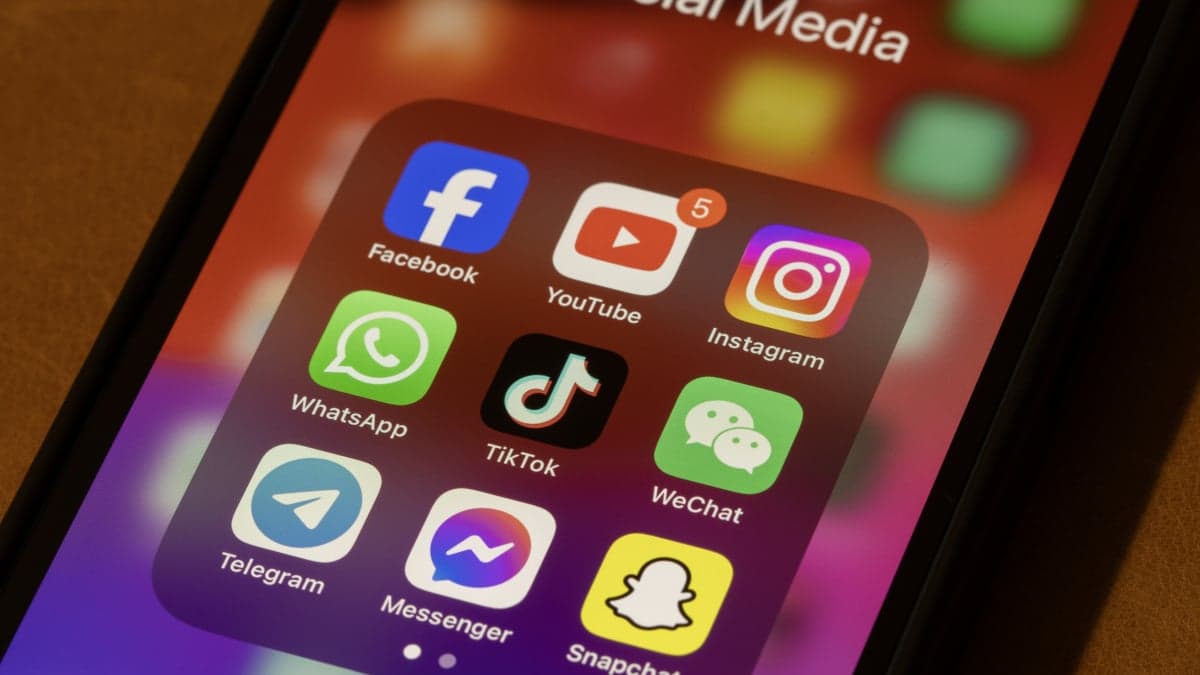
The United Kingdom plans to prohibit children under 16 from accessing social media platforms like TikTok and Instagram. Prime Minister Keir Starmer announced additional restrictions on livestreams and AI chatbots for older teens on Monday.
This ban is set to kick in by 2027, allowing time for platforms to implement age verification systems. Starmer believes this is “the right step for Britain,” emphasizing that it’s the best way to shield children from harmful online content.
What the UK Ban Actually Covers
This goes beyond a simple age gate on Instagram. The UK’s regulations are more comprehensive than similar laws in Australia and Canada, creating a layered system based on age.
Here’s the breakdown:
- Under 16: Completely banned from all social media platforms, including TikTok, Instagram, and Snapchat.
- Under 17: Prohibited from accessing livestreams and chatting with strangers online.
- Under 18: Not allowed to use romantic AI chatbots (apps that simulate romantic relationships with artificial intelligence).
The restriction on companion AI chatbots is a significant addition. Apps like Replika, which enables users to create a simulated romantic relationship with an AI, have gained traction among teens. The UK government seems to be distinguishing between general AI tools and those specifically designed to foster emotional or romantic connections with minors.
How Will It Actually Be Enforced?
This raises a crucial question. Passing a law is one thing, but preventing a determined 15-year-old from creating a fake account is another challenge altogether.
The UK’s strategy places the responsibility on platforms, not parents or kids. Social media companies must verify user ages before granting access, similar to how streaming services confirm payment methods. Companies that don’t enforce the ban face hefty fines under the UK’s Online Safety Act (a law enacted in 2023 that requires platforms to protect users from harmful content).
Australia introduced a similar law in late 2024 and is currently navigating the same enforcement hurdles. Critics there have pointed out that age verification often relies on submitting ID documents, which raises privacy concerns about sharing sensitive information with private companies.
The UK government hasn’t detailed which age verification methods will be acceptable yet. This is one of the key points expected before the 2027 launch.
Why Now?
The movement for a teen social media ban in the UK has gained momentum over the years. Research has linked heavy social media use to anxiety and depression in adolescents. High-profile cases of children encountering harmful online content have also fueled this push. A 2024 report from the UK’s child safety commissioner recommended the ban, and Starmer’s Labour government made online child safety a prominent campaign issue.
The UK joins a growing number of countries taking legislative action. Australia’s ban for under-16s became law in November 2024. Canada has proposed similar measures at the provincial level.
| By The Numbers | |
|---|---|
| Age limit for social media | Under 16 |
| Age limit for livestreams & stranger chat | Under 17 |
| Age limit for romantic AI chatbots | Under 18 |
| Planned enforcement date | 2027 |
| Countries with similar bans | Australia, Canada (partial) |
What This Means
If you’re a parent in the UK with kids under 16, this law aims to eliminate the social media debate. Platforms will be legally obligated to block access, so it won’t be about parental controls or negotiations. The app simply won’t work.
For teens aged 16 to 17, the restrictions on livestreams and chatting with strangers will change how they use platforms like Twitch or TikTok Live. It will also affect features on apps like those that connect users with random strangers.
For older teens nearing 18, the ban on romantic AI apps is the most surprising restriction. It shows that UK regulators are recognizing AI relationships as a content category that requires specific rules, separate from social media.
The actual impact hinges on enforcement. If platforms create effective age verification systems, the ban could significantly lower under-16 social media use. However, if verification is easily bypassed, it might end up being more symbolic than effective.
What People Are Saying
“The age verification piece is what makes or breaks this. Australia’s version has had mixed results because kids just use a parent’s account or lie about their age. The UK needs to actually solve that problem.”
— u/DigitalRightsBrit, Reddit r/unitedkingdom
“Honestly, as a parent, I’m relieved. I’ve been fighting with my 13-year-old about TikTok for two years. Having the law back me up changes everything.”
— YouTube comment on Guardian News coverage of the announcement
What To Watch
- Age verification details: The UK government still needs to clarify which verification methods platforms can use. This announcement will determine whether the ban is enforceable or easy to bypass.
- Platform responses: Expect TikTok, Meta (Instagram), and Snapchat to officially respond in the coming weeks. They’ll either commit to compliance or push back through lobbying.
- Legal challenges: Free speech and digital rights organizations will likely challenge the law before 2027. Look for court cases that could delay or dilute the restrictions.
- Australia’s results: By 2027, Australia will have about two years of data on its under-16 ban. That real-world evidence will influence how strictly the UK version gets enforced.

Ava Mitchell
Ava Mitchell is a digital culture journalist at Explosion.com covering social media platforms, streaming services, and the creator economy. With 4 years reporting on TikTok, Instagram, YouTube, and the apps that shape daily life, Ava specializes in explaining platform policy changes and their impact on everyday users. She previously managed social media strategy for a tech startup, giving her firsthand experience with the platforms she now covers.


