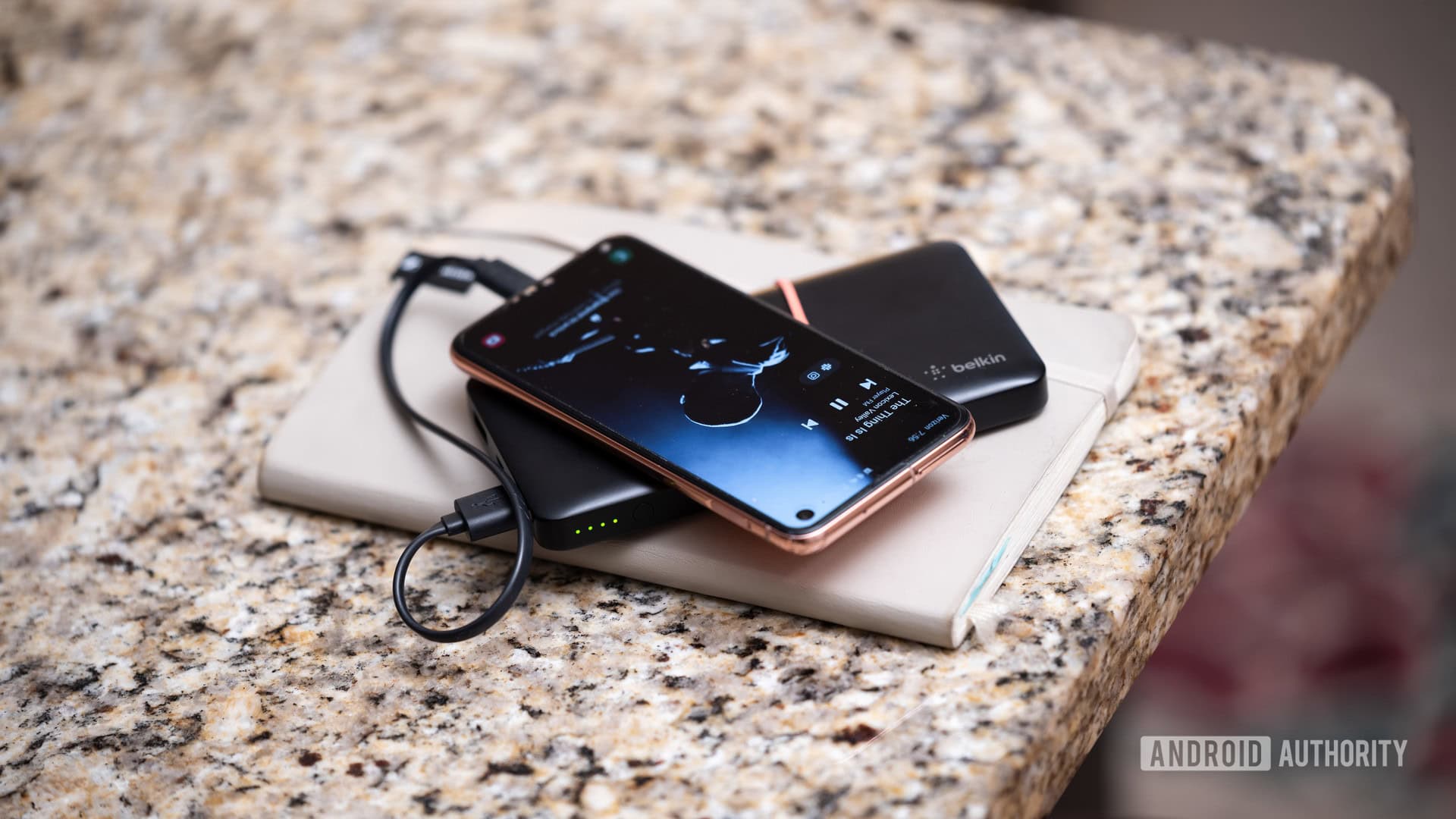
A new kind of battery is starting to pop up in consumer gadgets, and it could make your next power bank slimmer, safer, and more powerful than ever before. Semi-solid-state batteries are hitting the market, and they’re changing the game for portable chargers.
What’s Wrong With the Batteries We Have Now?
The lithium-ion batteries that power nearly every phone, laptop, and power bank have been around since the early 1990s. They work by moving lithium ions through a liquid electrolyte, which is the chemical solution that carries an electrical charge between the battery’s terminals. While this liquid does its job, it has some serious drawbacks: it’s flammable, it limits how thin a battery can be, and it wears out over time.
Think of it like comparing soup to gelatin. Current batteries slosh liquid around inside. In contrast, semi-solid-state batteries use a thick, gel-like electrolyte. This may seem like a small change, but it alters almost everything about the battery’s performance.
What Makes Semi-Solid-State Different?
Researchers have long aimed for fully solid-state batteries, which would replace the liquid with a rigid solid material. These batteries promise fantastic energy density and safety, but mass production has been a major challenge. Semi-solid-state batteries represent a practical middle ground that’s actually feasible today.
The gel-like electrolyte in semi-solid-state cells is much less flammable than the liquid in traditional batteries. Additionally, it allows manufacturers to create thinner battery cells. This means devices can either be slimmer or pack more capacity into the same amount of space. For power banks, this is huge. A charger that used to be 12mm thick could now carry the same charge in an 8mm size, or fit a lot more milliamp-hours (mAh) into the same footprint.
According to Android Authority’s breakdown, semi-solid-state batteries are already showing up in consumer power banks, not just in labs. This is a big leap from just two years ago.
The Donut Lab Controversy: A Warning About Hype
Not every battery announcement turns out to be what it seems. A recent incident with Donut Lab illustrates the marketing noise surrounding battery technology today.
Donut Lab claimed they had a fully solid-state battery ready for mass production, which would’ve been a major technological breakthrough. However, Ryan Inis Hughes, who runs the popular Ziroth YouTube channel focused on battery technology, debunked those claims, suggesting the company engaged in deliberate deception. His investigation revealed that what Donut Lab had wasn’t a true solid-state battery ready for production.
This episode serves as a reminder that while battery breakthroughs often get announced, they rarely arrive on schedule. Semi-solid-state technology is different because products using it are available now, rather than just existing in press releases.
| By The Numbers: Semi-Solid-State vs. Conventional Batteries | |
|---|---|
| Electrolyte state | Gel (semi-solid) vs. liquid (conventional) |
| Flammability risk | Lower than liquid lithium-ion |
| Cell thickness potential | Thinner form factors than conventional cells |
| Market status | Available in consumer products as of 2026 |
| Full solid-state batteries | Still in development, no mass-market products |
What This Means
If you’re buying a power bank or a new phone in the next year or two, there’s a good chance it’ll use semi-solid-state cells. Here’s what that means for you:
- Slimmer designs. Power banks have always been bulky because they need to house large battery cells. With semi-solid-state cells, manufacturers can create thinner designs, so your charger could be noticeably smaller without sacrificing capacity.
- More capacity in the same size. Manufacturers can also stick with the same physical dimensions but fit in more charge. For example, a 10,000mAh power bank could be replaced by a 13,000mAh model that feels the same in your hand.
- Safer to carry. The gel electrolyte’s lower flammability is a real safety upgrade. It doesn’t mean these batteries are indestructible, but they come with a lower risk than traditional lithium-ion batteries, which is reassuring for something sitting in your bag or overhead bin.
- Longer lifespan. Gel electrolytes generally degrade more slowly than liquids, suggesting these batteries will retain their charge capacity better over hundreds of cycles.
Community Reactions
“The fact that these are actually shipping in products is what gets me. We’ve heard ‘solid-state is coming’ for so long that I basically stopped paying attention. A power bank I can actually buy is different.”
“Ziroth’s Donut Lab video is required watching before you believe any battery startup’s claims. The amount of vaporware in this space is incredible.”
What To Watch
- Power bank product launches, late 2026. Several manufacturers are expected to release semi-solid-state power banks in the latter half of this year. Keep an eye on capacity-to-size ratios in new announcements to see how quickly the technology is being adopted.
- Smartphone integration. Power banks are the entry point, but phone makers are watching closely. If manufacturing yields improve, expect semi-solid-state cells to show up in flagship phones within the next two to three years.
- Donut Lab’s response. The company hasn’t fully addressed the claims made by Hughes yet. Whether they provide technical documentation or go quiet will be a significant signal for anyone tracking battery startup credibility.
- True solid-state timelines. Major players like Samsung SDI and Toyota have been working on fully solid-state batteries for years. Any credible announcement about their production would be a much bigger story than anything semi-solid-state delivers.

Ava Mitchell
Ava Mitchell is a digital culture journalist at Explosion.com covering social media platforms, streaming services, and the creator economy. With 4 years reporting on TikTok, Instagram, YouTube, and the apps that shape daily life, Ava specializes in explaining platform policy changes and their impact on everyday users. She previously managed social media strategy for a tech startup, giving her firsthand experience with the platforms she now covers.