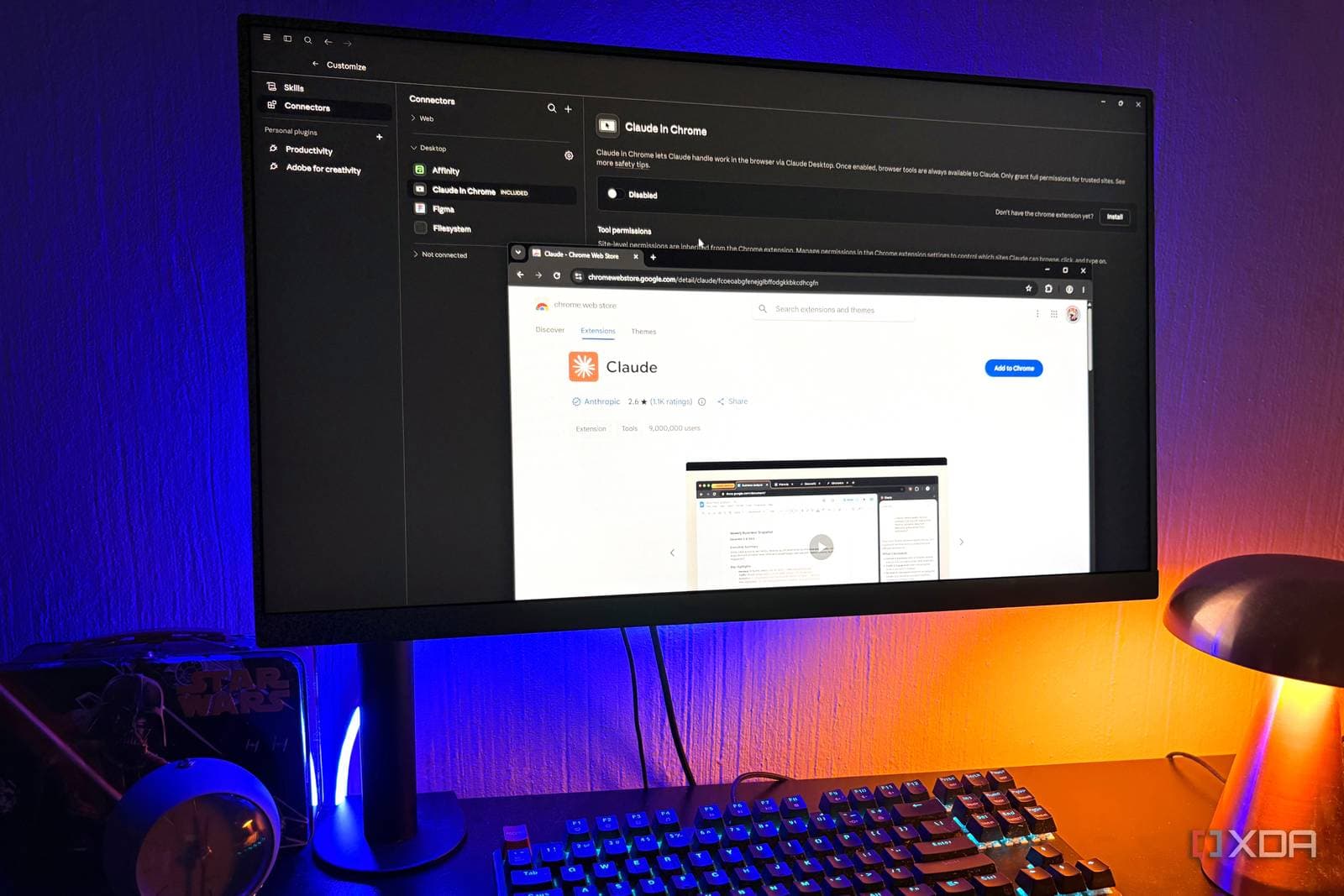
Anthropic has halted public access to its two leading AI models, Claude Fable 5 and Claude Mythos 5, following an emergency directive from the US government. This order requires the company to suspend access for foreign nationals. This unprecedented action marks the first time a US administration has mandated an AI firm to take down an active commercial product due to national security issues.
What Happened
Late last night, the Trump administration issued what VentureBeat calls an “unprecedented export control directive,” instructing Anthropic to cease all access to Fable 5 and Mythos 5. Export controls are regulations that limit who can use certain technologies, primarily to prevent sensitive tools from reaching foreign adversaries.
Anthropic confirmed this shutdown in a statement, explaining that the government “believes it has become aware of a method of bypassing, or ‘jailbreaking’ Fable 5.” In AI terms, jailbreaking refers to finding ways to circumvent built-in safety protocols, allowing the model to produce content it normally wouldn’t. It’s like discovering a hidden backdoor in a secured building.
The company hasn’t disclosed the specific vulnerability, nor has the government identified which foreign actors might have exploited it. Both Fable 5 and Mythos 5 were Anthropic’s top models, surpassing the well-known Claude 3.5 Sonnet in performance.
Why the Government Got Involved
This directive falls under export control laws, the same regulations the US uses to restrict the export of weapons, semiconductors, and other sensitive technologies. Applying these laws to a publicly available AI model is a big step. It indicates that the current administration considers advanced AI capabilities a national security asset, comparable to hardware.
Mashable reports that the administration forced the shutdown rather than Anthropic doing so voluntarily. This distinction is crucial; it shows AI companies now have a clear example of the government requiring a product removal, rather than just offering guidance or recommendations.
By The Numbers
| Detail | Data |
|---|---|
| Company | Anthropic |
| CEO | Dario Amodei |
| Founded | 2021 |
| Headquarters | San Francisco, CA |
| Models Affected | Claude Fable 5, Claude Mythos 5 |
| Access Status | Suspended for all public users |
| Government Authority | US export control directive |
What This Means for Everyday Users
If you used Fable 5 or Mythos 5 through Claude.ai or Anthropic’s API, those models are currently unavailable. Older models, like Claude 3.5 Sonnet, aren’t affected by this order and remain accessible.
For most casual users, the immediate impact is small. The affected models were premium options, not the standard experience for free-tier users. However, for developers and businesses that relied on Fable 5 or Mythos 5’s advanced features, this disruption creates an urgent need for alternative solutions.
What Enterprises Should Do Right Now
VentureBeat’s coverage specifically advises enterprise customers to take several immediate actions:
- Audit your dependencies. If your internal tools, customer-facing products, or automated systems use Fable 5 or Mythos 5 via the API, those calls are failing. Track them down before your users do.
- Switch model versions in your API calls. Anthropic’s API allows developers to choose which model version to use. Redirecting those requests to Claude 3.5 Sonnet or another available model is the quickest fix.
- Monitor Anthropic’s status page. The company hasn’t shared a timeline for restoring access. Keeping an eye on official channels is the best way to know when these models might be back online.
- Document the disruption. If your organization must comply with regulations, documenting the outage, its cause, and your response will show due diligence.
Community Reaction
“This is genuinely unprecedented. The government forced a company to take down a software product, not because of fraud or illegal activity, but because of a potential security vulnerability in an AI model. That sets a very interesting precedent.”
— u/ml_policy_watcher, Reddit r/MachineLearning
“Enterprises that went all-in on Fable 5 for anything mission-critical are probably having a very bad morning. This is exactly the kind of vendor risk that IT departments warned about.”
— Comment on VentureBeat YouTube coverage
The Bigger Picture
This action reflects a broader trend of the US government viewing advanced AI as a strategic asset. The same rationale that led to export restrictions on Nvidia’s H100 chips to China now applies to model access. The key difference is that chips are physical items you can track at borders, while AI models are software accessible anywhere online, complicating enforcement.
Anthropic has positioned itself as an AI safety company, emphasizing the importance of building safeguards into its models. A confirmed jailbreak in its most advanced model would harm its reputation, regardless of government intervention. This might explain why the company complied quickly instead of publicly resisting.
Sources: XDA Developers, Mashable, VentureBeat
What To Watch
- Anthropic’s official statement updates. Check anthropic.com/news for any information regarding restoration timelines or further explanations.
- Whether other AI companies receive similar orders. If this directive applies only to Anthropic, it might indicate something specific about Fable 5’s capabilities. If OpenAI or Google DeepMind get similar orders, it could signal a broader policy shift.
- Congressional response. Lawmakers from both parties have been drafting AI legislation. A government-mandated takedown of a major commercial AI product could speed up that process.
- Details on the jailbreak method. Security researchers will be keen to learn about any public disclosure regarding the vulnerability, which could clarify the seriousness of the threat.

Maya Torres
Maya Torres is the Consumer Tech Editor at Explosion.com with 7 years covering product launches for major technology publications. She has reviewed over 300 devices across smartphones, laptops, wearables, and smart home products. Maya specializes in translating spec sheets into real-world buying advice and attends CES, MWC, and Apple keynotes as press. Her reviews focus on helping readers decide what to buy, not just what specs look good on paper.