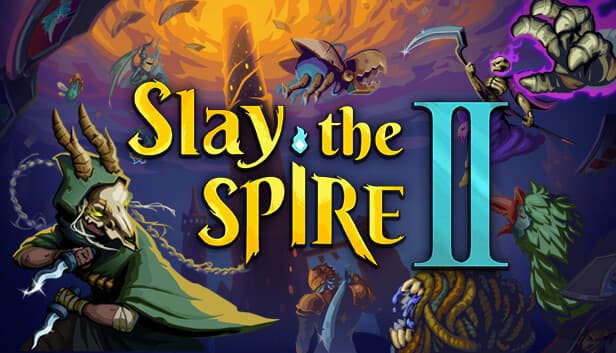
Slay the Spire 2 boasts a strong 94% positive rating from 57,508 Steam reviews and has seen over 113,000 concurrent players since its early access launch in March 2026. Mega Crit’s sequel has quickly become one of the most popular roguelike deck-builders on Steam, and players are diving deep into its challenging difficulty tiers. PC Gamer recently published a comprehensive guide on the Silent cards that can carry a run through Ascension 10, providing insights into how this rogue archetype performs at the game’s toughest levels.
Ascension 10 is a true test of skill in Slay the Spire 2. It adds multiple modifiers on top of an already tough baseline. The Silent’s abilities in this sequel focus more on poison synergies and shiv generation than in the first game. PC Gamer points out specific cards that help maintain a steady damage output, especially when luck isn’t on your side. The main takeaway is that the Silent rewards players who aim for consistent engine builds rather than relying on high-risk, high-reward plays.
The current patch environment plays a crucial role here. In late May 2026, Mega Crit released a major balance update that reworked cards and enemies across all classes. This was followed by a June patch that specifically buffed Monarch’s Gaze. These updates altered the Silent meta — some previously dependable winning strategies lost their effectiveness, while the buffed cards opened up fresh build possibilities. Players who managed to beat Ascension 10 before the patch might notice that their strategies now require adjustment.
Early access hasn’t been without its challenges. The Punished Backlog reported on beta patch instability amid the game’s successful commercial launch. Some players have pointed out that certain Ascension modifiers behave unpredictably with the Silent’s multi-hit shiv cards after the patch. Mega Crit is making quick improvements — releasing three substantial patches in about six weeks. This fast pace is typical for early access but also means that build guides can become outdated quickly.
At $24.99, Slay the Spire 2 has a low entry point for players who want to try out these builds themselves. The original Slay the Spire entered early access in 2017 and took around two years to reach its full release. Given how the sequel is progressing, the current card pool is likely still a work in progress. This means the Ascension meta will continue to evolve as Mega Crit rolls out new content.
| Steam Review Score | 94% positive |
| Total Steam Reviews | 57,508 |
| Current Concurrent Players | 113,607 |
| Current Price (Steam) | $24.99 |
| Early Access Launch Date | March 6, 2026 |
| Major Patches Since Launch | 3 (through June 2026) |
The community’s feelings about the Silent are mixed. One Steam reviewer labeled the game as “totally RNG based,” a common complaint in roguelike circles when luck doesn’t favor them. However, seasoned Slay the Spire players often push back against this view. At Ascension 10, drafting skills and card prioritization outweigh luck. This is exactly what the PC Gamer guide aims to clarify.
What To Watch
- Post-patch build viability: The June Monarch’s Gaze buff and May card reworks have already impacted Silent strategies. Keep an eye on community discussions regarding the strongest new paths at Ascension 10 and beyond.
- Ascension ceiling expansion: Slay the Spire 2 is still in early access with an incomplete card pool. As Mega Crit introduces new content, the current Ascension 10 meta will evolve, which could make today’s best builds less effective.
- Higher Ascension coverage: Players are already pushing past Ascension 10. GamesRadar reported players clearing A10 with all classes — expect community-driven tier lists and guides aimed at Ascension 15 and 20 benchmarks as the game develops.

Marcus Webb
Marcus Webb covers esports, competitive gaming, and community stories for Explosion.com. A former semi-professional Counter-Strike player, Marcus transitioned to journalism 5 years ago and has since covered major tournaments including The International, League of Legends Worlds, and the Valorant Champions Tour. He brings a player's perspective to competitive gaming coverage and is known for his data-driven analysis of player performance and meta shifts.