A top-rated computer speaker can be exploited wirelessly, allowing attackers to infect connected devices with malware. Surprisingly, the company behind it doesn’t see this as a concern worth addressing.
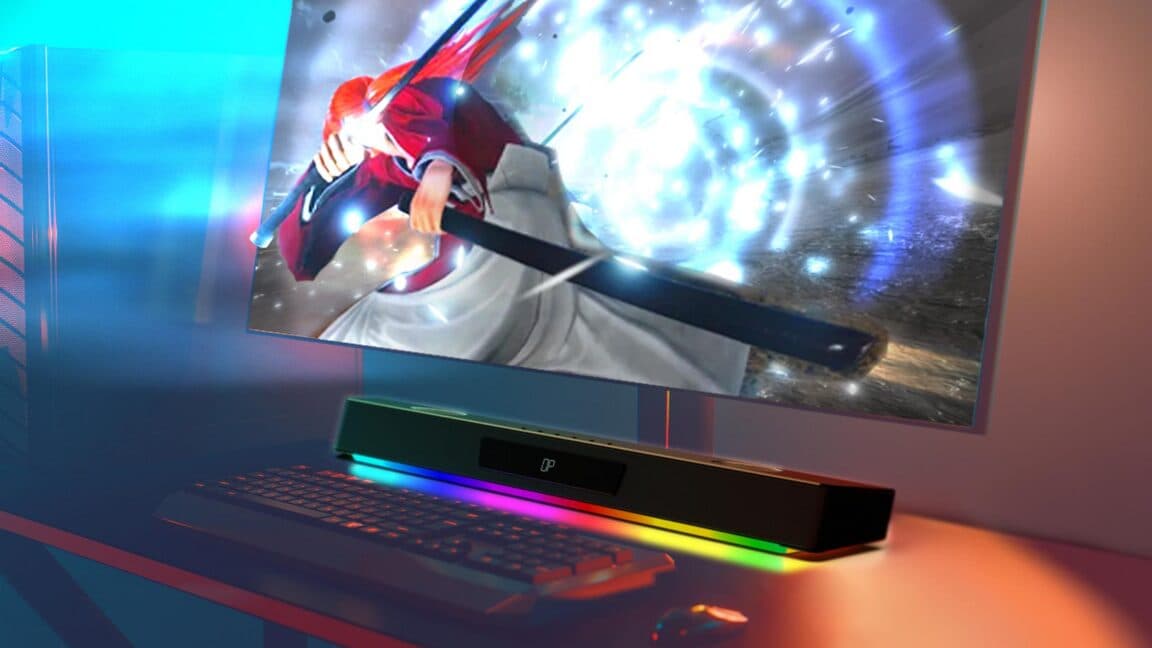
The Sound Blaster Katana V2X, a soundbar from Creative Technology, has a security flaw. This flaw lets nearby attackers send malicious commands over the air, using the speaker to compromise any PC it’s connected to. Security researchers uncovered this issue and reported it to Creative, which decided not to classify it as a vulnerability.
How the Attack Works
The Katana V2X connects to computers via USB and communicates wirelessly using Bluetooth, a short-range standard typically used for phones, headphones, and speakers. Researchers found that the speaker’s firmware lacks basic authentication checks. This means an attacker within Bluetooth range can send commands to the speaker without needing a password or verification.
Imagine a locked building where the main entrance requires a keycard, but a side door is completely open. The USB connection represents the front door, while the Bluetooth interface acts as the side door.
Once an attacker takes control of the speaker through that unprotected Bluetooth connection, they can push malicious code through the USB link to the connected PC. Security researchers refer to this as a supply-chain-style attack vector, where a trusted device you’ve plugged in becomes the tool of attack.
This type of attack falls under remote code execution (RCE), meaning the attacker can run software on your computer just by being nearby, without needing to physically touch it.
Creative Doesn’t See a Problem
After researchers disclosed the flaw to Creative Technology, the company reportedly chose not to classify the behavior as a security vulnerability. This response is concerning, as it likely indicates that no patch will be released.
This situation isn’t uncommon in the security world. Companies sometimes dispute vulnerability classifications, especially when an exploit requires physical proximity instead of remote internet access. However, security experts generally criticize this reasoning. Places like coffee shops, offices, apartments, and conference rooms allow attackers to get close enough to execute such an attack without raising suspicion.
Who Makes the Katana V2X?
Creative Technology is a Singapore-based audio hardware company, best known for its Sound Blaster line of products that have been popular with PC gamers and audiophiles for years. The Katana V2X is a desktop soundbar priced around $200 and has received positive reviews for its audio quality on platforms like Amazon and Reddit.
| Sound Blaster Katana V2X — By The Numbers | |
|---|---|
| Manufacturer | Creative Technology |
| Price | ~$200 |
| Connectivity | USB, Bluetooth, optical |
| Attack type | Remote code execution via Bluetooth |
| Patch available | No |
| Vendor response | Not classified as a vulnerability |
What This Means
If you own a Sound Blaster Katana V2X, your computer could be at risk from anyone within Bluetooth range, typically around 30 feet, as long as the speaker is on and connected via USB. This includes someone in the same office, a neighbor in an apartment, or even a stranger at a nearby café.
There are a few practical steps you can take. First, in public or shared spaces, consider unplugging the speaker from your computer’s USB port when you’re not using it. Second, keep your operating system and security software updated. Some endpoint security tools might catch suspicious USB activity. Third, stay tuned to this story. If researchers publish proof-of-concept exploit code, the risk level could increase significantly.
This situation raises broader concerns about smart peripherals. Devices like speakers, webcams, keyboards, and gaming accessories are increasingly running their own operating systems and connecting wirelessly. Each one becomes a potential entry point if manufacturers overlook security basics.
Community Reaction
“The fact that Creative just said ‘not our problem’ is wild to me. It’s a $200 device that a ton of streamers and gamers use. This isn’t some obscure piece of kit.”
“I’ve had this speaker for two years and love the sound. But I’m genuinely not sure what to do with it now. There’s no fix, and the company doesn’t care.”
What To Watch
- Proof-of-concept release: Researchers may publish working exploit code to push Creative into action. If that happens, unpatched devices could be at immediate risk.
- Creative’s response: Public pressure from the security community and media coverage sometimes prompts companies to reconsider vulnerability classifications. Keep an eye out for any official statement from Creative Technology.
- Retailer action: In past cases involving unpatched vulnerabilities, major retailers have pulled products or issued prominent warnings. It’s worth watching if Amazon, Best Buy, or others respond.
- Regulatory attention: The FTC and EU cybersecurity regulators have been increasingly focused on IoT (Internet of Things) security. This case could attract scrutiny.
Sources: Ars Technica — How a USB-connected speaker can infect a PC without ever being touched

Maya Torres
Maya Torres is the Consumer Tech Editor at Explosion.com with 7 years covering product launches for major technology publications. She has reviewed over 300 devices across smartphones, laptops, wearables, and smart home products. Maya specializes in translating spec sheets into real-world buying advice and attends CES, MWC, and Apple keynotes as press. Her reviews focus on helping readers decide what to buy, not just what specs look good on paper.