
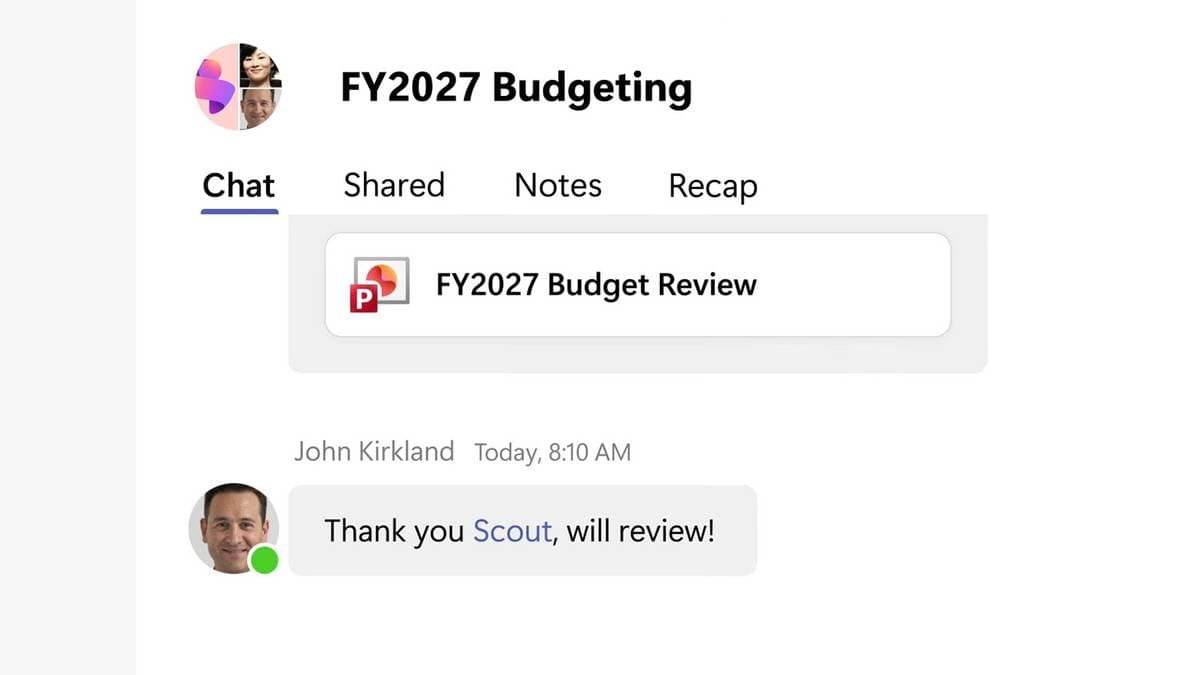
Microsoft has introduced OpenClaw, an innovative AI assistant capable of making phone calls, reading emails, and managing your calendar for you. The announcement came during Microsoft Build 2026, where they also revealed a new family of AI models named MAI.
What Is OpenClaw?
OpenClaw represents Microsoft’s latest effort to create what the tech world refers to as an “agentic” AI assistant. This means it goes beyond merely answering questions. Instead, it can perform real-world actions on your behalf. Imagine a personal assistant that not only responds to queries but also makes phone calls, sifts through your inbox, and blocks off time on your schedule without needing reminders.
This assistant is designed for both personal and professional settings. For consumers, it will help with everyday tasks like booking a dentist appointment or highlighting important emails. For businesses, Microsoft aims to simplify the deployment of such AI agents, making it easier for companies that have hesitated due to technical challenges.
The MAI Model Family
OpenClaw and other Microsoft AI products run on a new set of proprietary AI models known as MAI. This family includes specialized tools for various tasks: reasoning (solving complex, multi-step problems), voice interaction, coding, and image generation. The standout model is MAI-Thinking-1, which is Microsoft’s first dedicated “reasoning model.” This model is designed to tackle tough problems step-by-step, similar to how OpenAI’s o-series models function.
Creating its own model family marks a major shift for Microsoft, which has relied heavily on its partnership with OpenAI since 2023. Having in-house models allows Microsoft to better manage costs, performance, and customize AI behavior for specific applications like OpenClaw. Mashable reported that MAI-Thinking-1 is the leading model in this new family.
How It Works in Practice
Here’s a practical example of OpenClaw’s capabilities: you ask it to schedule a meeting with a colleague for next week. Instead of just showing your calendar, OpenClaw checks both calendars, finds an available time, sends out the meeting invite, and confirms the appointment — all in one go. The same process applies to phone calls; the assistant can dial a number, navigate simple menus, and report what happened afterward.
This ability to handle multi-step tasks sets agentic AI apart from older voice assistants. It’s like the difference between a GPS that tells you to turn left and a driver who actually takes the wheel.
Microsoft also highlights enterprise deployment tools that simplify the rollout of these agents across companies. IT departments can implement these assistants without needing a full team of engineers to set everything up. XDA Developers noted that reducing the complexity of business deployments is a key part of Microsoft’s strategy.
| Microsoft — By The Numbers | |
|---|---|
| Stock (MSFT) | $425.09 (-0.69%) |
| CEO | Satya Nadella |
| Founded | 1975 |
| Headquarters | Redmond, WA |
| Sector | Big Tech |
| New AI Models Announced | MAI family (reasoning, voice, coding, images) |
What This Means for You
If OpenClaw delivers on its promises, it could really change your daily routine. Tasks like scheduling meetings, waiting on hold, or searching through your inbox for a confirmation number are exactly the type of low-stakes, time-consuming jobs an agentic assistant is meant to handle. For small business owners or anyone juggling a busy schedule, this kind of automation could free up a substantial amount of time each week.
However, trust is a major concern. Allowing an AI to read your emails and make calls means giving it access to your personal data. Microsoft needs to clarify what OpenClaw can view, what information it stores, and how users can restrict access — details that haven’t been fully outlined yet.
For businesses, the promise of easier agent deployment means IT teams can introduce AI assistants to employees with less hassle and without months of custom development. This practical cost argument is something Microsoft will likely emphasize when approaching enterprise customers.
Community Reaction
“The phone call feature is either going to be incredibly useful or a total disaster depending on how well it handles anything outside a simple script. Cautiously interested.”
“Microsoft building their own models while still partnering with OpenAI is a smart hedge. They’re not putting all their eggs in one basket anymore.”
What To Watch
- Rollout timeline: Microsoft hasn’t set a public release date for OpenClaw. Keep an eye out for updates throughout 2026, as announcements from Build usually lead to preview releases within a few months.
- MAI-Thinking-1 benchmarks: Independent tests comparing Microsoft’s new reasoning model to OpenAI’s o-series and Google’s Gemini will show how competitive MAI really is. Expect third-party assessments soon.
- Privacy policy details: How Microsoft defines data access and retention for an assistant that reads your email and makes calls will attract scrutiny from regulators and privacy advocates, especially in the EU.
- Enterprise adoption signals: Early announcements from business customers will be the clearest indicator of whether Microsoft’s simplified deployment tools resonate with IT decision-makers.

Ava Mitchell
Ava Mitchell is a digital culture journalist at Explosion.com covering social media platforms, streaming services, and the creator economy. With 4 years reporting on TikTok, Instagram, YouTube, and the apps that shape daily life, Ava specializes in explaining platform policy changes and their impact on everyday users. She previously managed social media strategy for a tech startup, giving her firsthand experience with the platforms she now covers.


