Microsoft has introduced Project Solara, a reimagined version of Android designed to run AI agents—self-sufficient software programs that handle tasks for you. This move signals the company’s shift toward a new way of interacting with mobile devices.
The announcement took place at Microsoft Build 2026, where CEO Satya Nadella laid out a bold vision. Microsoft is stepping away from traditional operating systems and apps, focusing instead on agents as the main interface for users and their devices.
What Is Project Solara?
Picture a typical Android phone like a library. Each app is a book you need to take out, read, and return. Now, Project Solara changes that. Instead of manually opening apps, AI agents do the work for you, accessing whatever tools or services they require without you needing to tap an icon.
Microsoft is building Solara on the Android Open Source Project (AOSP), which is the publicly available version of Android that any developer can modify. While it remains fundamentally Android, the user experience emphasizes agents rather than a home screen cluttered with apps.
Qualcomm is teaming up with Microsoft on this project. Their Snapdragon chips power most high-end Android devices globally. This is crucial since running AI agents locally rather than in the cloud demands significant processing capabilities.
Why Is Microsoft Doing This?
Microsoft has a history of missing out on the smartphone wave. The Windows Phone launched in 2010, struggled to gain traction with app developers, and was ultimately discontinued by 2019. The company never managed to make a significant impact in the mobile market, leaving Apple and Google to dominate with iOS and Android.
Agents provide a fresh opportunity. If the future of computing shifts from app availability to AI that acts on your behalf, the app library dilemma becomes less relevant. An agent doesn’t need a dedicated Spotify app; it just needs access to Spotify’s services.
Nadella’s message at Build 2026 was clear: Microsoft sees agents, not operating systems, as the future platform. Solara represents the company’s effort to stake its claim in mobile’s next chapter.
What Else Came Out of Microsoft Build 2026
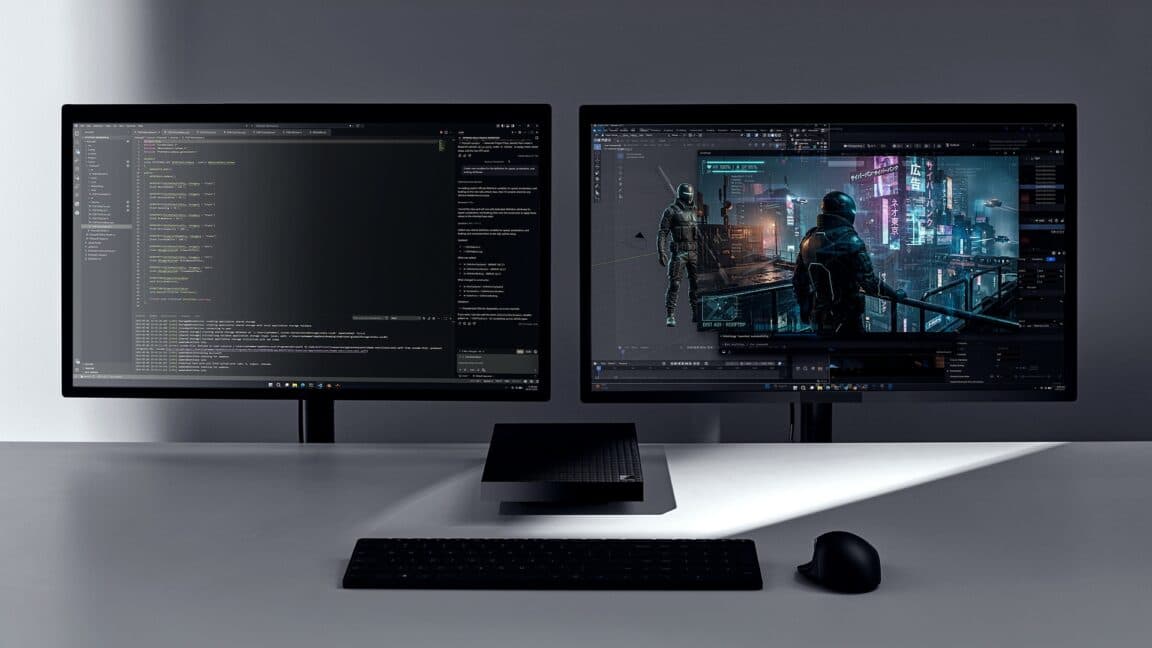
Solara wasn’t the only news. Microsoft also announced enhancements to Linux developer tools within Windows and unveiled the new RTX Spark desktop—a compact PC powered by Nvidia’s RTX hardware, aimed at developers needing local AI processing. These announcements highlight Microsoft’s strategy to align its entire product lineup around AI, from smartphones to developer workstations.
| Microsoft — Company Snapshot | |
|---|---|
| Ticker | MSFT |
| Stock Price | $425.09 (−0.69%) |
| CEO | Satya Nadella |
| Headquarters | Redmond, WA |
| Founded | 1975 |
| Sector | Big Tech |
What This Means
For most people, Project Solara isn’t something you’ll download next week. It’s a research initiative, and actual consumer devices using it will probably take at least a year or more to arrive—if they come at all.
But the idea is significant. If agents become the preferred way to interact with software, your current phone might feel as outdated as a flip phone. You could simply tell an AI what you want—like booking a restaurant or reordering groceries—and it would manage everything for you, without you ever needing to open an app.
There are risks too. Agents with extensive access to your apps, accounts, and data raise serious privacy and security concerns. A single compromised agent could lead to more issues than a rogue app.
Community Reactions
“So Microsoft failed at apps, and now they’re hoping everyone forgets that and jumps straight to agents? Bold strategy.”
— u/throwaway_techwatch, Reddit
“Actually kind of makes sense. If agents are the new interface layer, then not having an app ecosystem doesn’t matter anymore. Microsoft could leapfrog Google and Apple here.”
— YouTube commenter on Microsoft Build 2026 keynote recap
What To Watch
- Developer previews: Microsoft usually follows Build announcements with SDK access for developers in a few weeks. Look for a Solara developer program announcement this summer.
- Qualcomm’s role: Qualcomm’s partnership suggests early Solara hardware might show up in Snapdragon-powered devices. Keep an eye on any Qualcomm hardware announcements in late 2026.
- Google’s response: The owner of Android has its own ambitions for agents through Gemini. How Google views Solara—as a partner or a competitor—will influence its market reach.
- Privacy regulations: Agents that operate on your behalf across various services will likely face scrutiny from regulators in both the EU and US. Watch for initial policy responses in the coming months.
Sources

Maya Torres
Maya Torres is the Consumer Tech Editor at Explosion.com with 7 years covering product launches for major technology publications. She has reviewed over 300 devices across smartphones, laptops, wearables, and smart home products. Maya specializes in translating spec sheets into real-world buying advice and attends CES, MWC, and Apple keynotes as press. Her reviews focus on helping readers decide what to buy, not just what specs look good on paper.