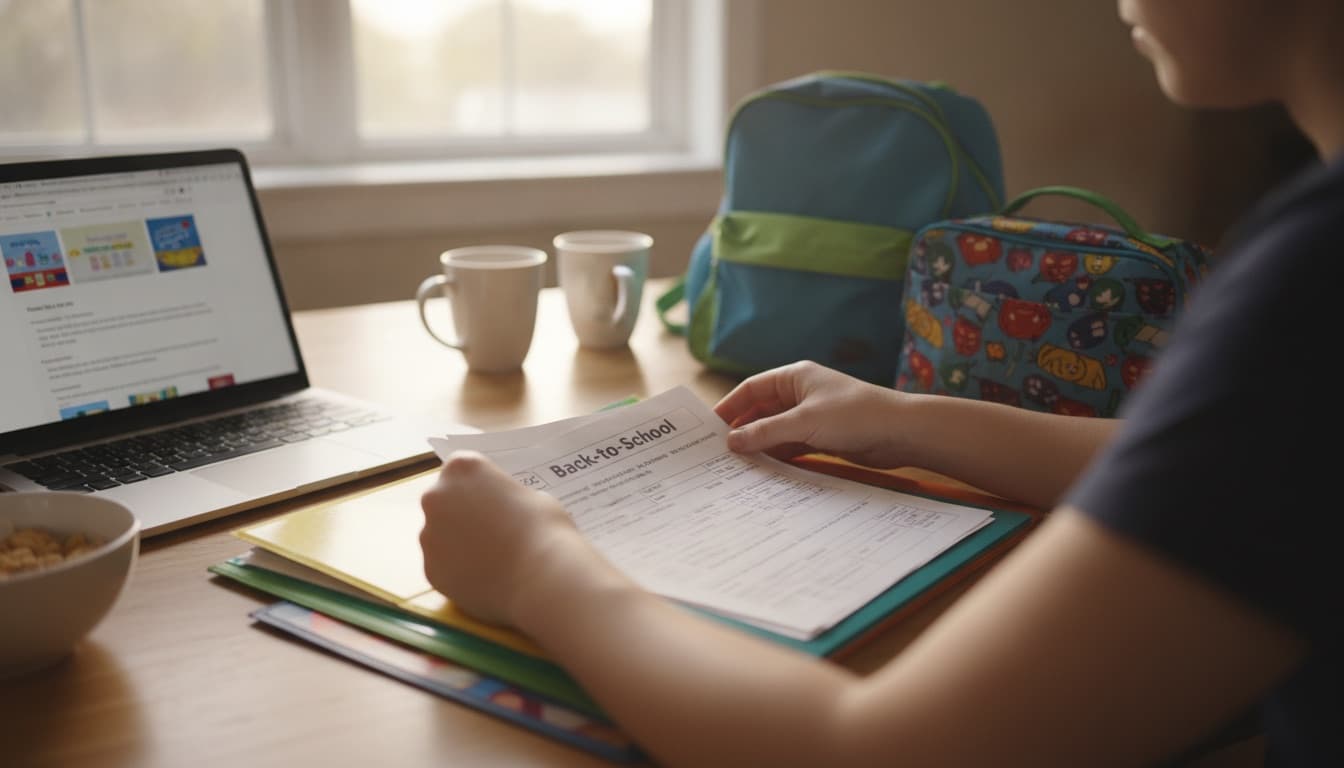

Unexpected feelings often follow when teens face a parent split. School demands sit alongside friendship growth at that age, adding layers to daily experience. Home shifts might disrupt familiar patterns they rely on each day. Conversations filled with honesty tend to ease uncertainty about what comes next. Over months, steady care from adults helps shape clearer paths forward.
Occasionally, signs of how teens handle separation do not appear right away. A few grow quiet, uneasy, or speak less; meanwhile, shifts in grades or conduct might signal distress in others. When caregivers stay calm and present, stability begins to take shape. With routine as a foundation, openness tends to emerge more naturally. Emotional weight often lightens when space exists for real talk.
Open Communication With Teenagers
Communication matters greatly when families face separation. Though young, teens notice shifts in mood and routine across the home. Silence often increases doubt instead of reducing it. Explanations work best when truthful yet suitable for a younger understanding. Focus tends to ease stress more if centered on stability than disagreement.
Should a teenager sense their feelings are received calmly, growth often follows. When dialogue flows freely, worries around classes, peers, routines, or housing after high school may surface naturally. Distance now and then does not block connection, provided exchanges happen consistently over time. Steady contact builds reliance, showing care persists through presence alone.
Maintaining Consistent Routines
When life feels unpredictable, steady habits often bring a sense of calm. Changes in where teens live, how they travel, or what is expected at home might leave them feeling overloaded. School tasks, outside-school duties, and chores done regularly tend to soften emotional strain. Consistent structure throughout daily obligations provides quiet support amid shifts.
When rules match across homes, moving back and forth feels less jarring. Even if each parent leads differently, teens tend to adjust better when core standards stay alike in both places. Expectations around homework, bedtime, and staying in touch, when aligned, add predictability that lowers tension without extra effort. Stability grows quietly where routines overlap.
Supporting Emotional Well Being
When teens face divorce, strong feelings like anger, sadness, worry, or guilt can appear without warning. Not every reaction needs fixing – sometimes quiet presence matters more than answers. Moments of tension might ease if adults stay steady instead of pushing quick fixes. What stays with a teenager is knowing someone hears them without judgment. Emotions unfold at their own pace, rarely matching what rules suggest. A simple nod, steady eye contact, or delayed reply can hold deeper weight than words. Even silence becomes comfort when it carries respect rather than avoidance.
At times, help beyond close relatives makes a difference for young people. A listening ear from someone at school, a professional counselor, or an adult mentor often brings clarity when emotions run high. When family structures shift, legal advice from divorce lawyer Vaughan sometimes helps shape routines that ease tension and honor teen well-being. Unexpected calm emerges when decisions center on stability rather than conflict. Choices made early ripple through later years without drawing attention to themselves.
Avoiding Conflict Around Teenagers
When parents argue, teens often feel it most. Disputes over money, who sees the child when, or private matters add tension at home. What happens behind closed doors stays clearer if discussions happen out of earshot. Young people cope better when not drawn into grown-up conflicts. Keeping certain things between adults reduces weight on younger shoulders.
One key point stands out: placing teens in the middle of parental disputes brings unnecessary stress. Rather than involve them in passing information, it helps more to keep communication channels separate. When legal matters arise, handling them through family lawyer Vaughan prevents added pressure on young people. Remaining neutral allows adolescents space to connect with each parent freely. Emotional balance grows where guilt has no role.
Encouraging Healthy Independence
When adolescence begins, growing autonomy becomes natural – yet divorce might interfere. Though some teens rush into grown-up roles, others pull back from daily routines under pressure. Guidance matters just as much as space during these years, even amid family shifts. Emotional presence helps balance their evolving needs with stability.
Teenagers keeping up with friends, pastimes, or private ambitions may hold onto everyday stability. Outside routines frequently bring calm alongside chances for uplifting contact with others. When parents stay close to what teens care about – yet still allow room – a steadier self-assurance can grow even through household shifts.
Creating Ongoing Stability
Gradually, support becomes clearer through steady presence instead of sudden fixes. Over time, open conversations matter just as much as reliable routines do. When teens sense care from each parent, transitions tend to settle more smoothly. Even after homes shift, knowing bonds remain intact helps ease uncertainty.
Long after the first split, feelings might still shift for children. Noticing shifts in mood, learning patterns, or daily habits allows time to act before struggles grow. A steady home life, shared effort, yet quiet consistency often guides healing better than words.

Nick Guli
Nick Guli is the founder and editor-in-chief of Explosion.com, which he launched in February 2012. With over a decade of experience in digital publishing, Nick oversees editorial direction across entertainment, gaming, technology, and lifestyle content. He is an avid gamer and movie enthusiast who brings a critical eye to coverage of industry trends, game reviews, and entertainment news.