
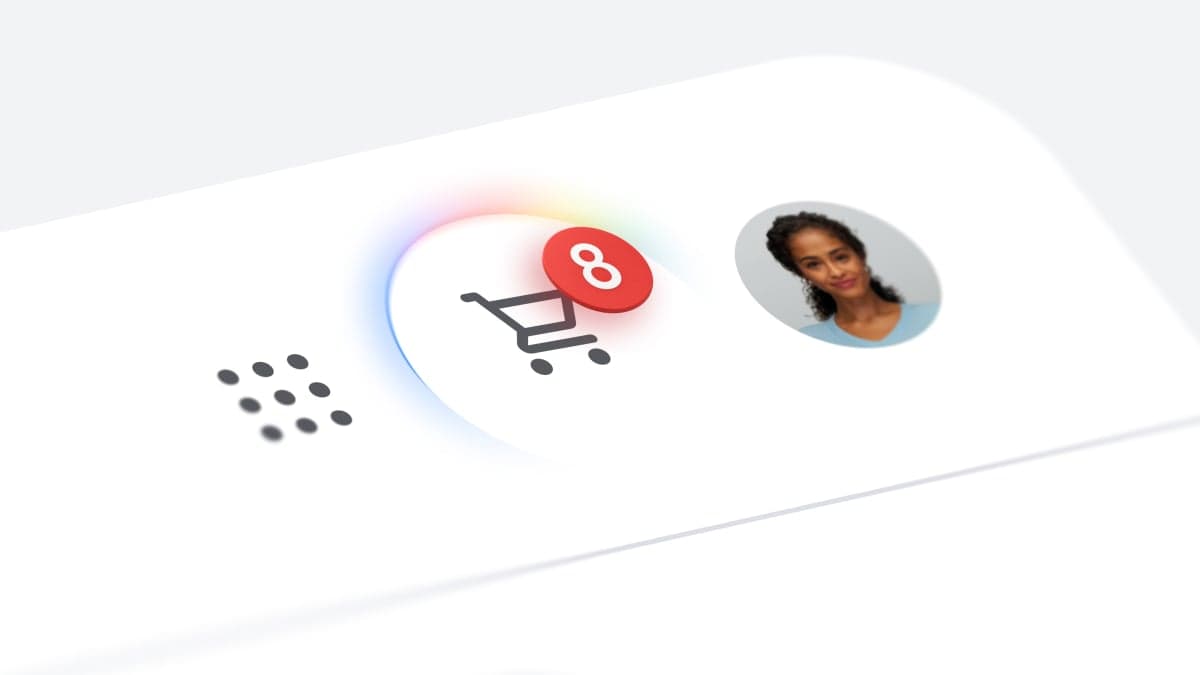
Google is revamping its shopping experience with three new AI features announced at Google I/O 2026: a Universal Cart, a Universal Commerce Protocol, and an Agent Payments Protocol. These changes could transform how millions shop online.
| By The Numbers: Alphabet / Google | |
|---|---|
| Ticker | GOOGL |
| Stock Price | $388.91 (+0.32%) |
| CEO | Sundar Pichai |
| Headquarters | Mountain View, CA |
| Founded | 1998 |
| Sector | Big Tech |
What Google Just Announced
At its annual developer conference, Google introduced what it calls a “new agentic hub for shopping across Google.” The term “agentic” means AI systems that can perform tasks for you, not just respond to queries. Imagine having an AI assistant that buys products instead of a basic search engine that only finds them.
Here’s a look at each feature:
Universal Cart
Currently, if you’re shopping on Google and want to buy from three different retailers, you have to visit three separate websites. Then, you create three accounts and go through three distinct checkouts. Universal Cart aims to streamline this process. It allows you to add items from various stores into a single cart and check out all at once. It’s similar to putting items from different sellers into one Amazon order, but it applies to the entire web.
Universal Commerce Protocol
This is the behind-the-scenes standard that enables Universal Cart. In tech lingo, a “protocol” is a shared set of rules that allows different systems to communicate. Universal Commerce Protocol will create a common language between Google’s shopping tools and countless retailer websites, enabling real-time updates for product data, pricing, and inventory.
Agent Payments Protocol
This feature tackles a key concern about AI agents handling your shopping: how can you control their spending? The Agent Payments Protocol allows users to set limits on AI-driven purchases, including spending caps, approved retailers, or specific product categories. For instance, if you’ve set up a Google AI agent to reorder household supplies, you could limit it to $50 per transaction to prevent accidental charges, like a $300 order for bulk paper towels.
The Bigger Picture: Google Search Is Changing Fast
These shopping features are part of a larger shift occurring within Google Search. According to Engadget, Google is also rolling out a dynamic Search box that adjusts based on your activity, along with a broader push for agentic features throughout Search. The traditional ten-blue-links format is evolving into something more like a personal assistant that takes action rather than simply providing information.
This shift puts Google in direct competition with AI-driven shopping tools and voice assistants that are gradually taking over search’s role in shopping. The company is effectively betting that if shopping is leaning towards AI agents, it should be Google’s AI agents that take the lead.
What This Means for You
For everyday shoppers, the most appealing change is Universal Cart. Anyone who’s abandoned a purchase due to the hassle of checking out on an unfamiliar site will appreciate this feature. Fewer steps from “I want this” to “I bought this” generally leads to more completed purchases, benefiting both shoppers and retailers.
The Agent Payments Protocol is crucial for building trust. AI shopping agents are only useful when people feel secure about letting them spend money. By allowing users to set spending controls, Google is addressing a common concern: “What stops the AI from going on a shopping spree?”
The Universal Commerce Protocol may be less visible to users, but it’s arguably the most critical element. If retailers don’t adopt this standard, the other two features won’t have much impact. The speed and extent of merchants signing on will likely determine if these announcements feel revolutionary or just theoretical six months from now.
Community Reactions
“Universal Cart is actually the one thing I’ve wanted from Google Shopping for years. The problem was never finding products, it was the checkout nightmare across 5 different sites.”
“I’m more interested in the agent restrictions than the cart honestly. Giving AI a credit card with no guardrails is how you end up with a disaster. At least they’re thinking about it.”
What To Watch
- Retailer adoption rates: Universal Cart only works if major retailers integrate with Universal Commerce Protocol. Look for announcements from big e-commerce players about whether they’ll sign on.
- Rollout timeline: Google described this as “coming soon” without specific launch dates. With Google Play recently introducing its own AI chatbot powered by Gemini, the broader integration of Gemini across Google’s products seems to be speeding up through 2026.
- Competitive response: Amazon, Shopify, and Apple all have stakes in how checkout and AI shopping evolve. Expect to see their reactions to these announcements in the coming months.
- OpenAI’s shopping angle: With an OpenAI IPO potentially arriving as early as September 2026, keep an eye on whether the company positions its own AI agents as a competing shopping tool during its pre-IPO product push.
Sources

Ava Mitchell
Ava Mitchell is a digital culture journalist at Explosion.com covering social media platforms, streaming services, and the creator economy. With 4 years reporting on TikTok, Instagram, YouTube, and the apps that shape daily life, Ava specializes in explaining platform policy changes and their impact on everyday users. She previously managed social media strategy for a tech startup, giving her firsthand experience with the platforms she now covers.


