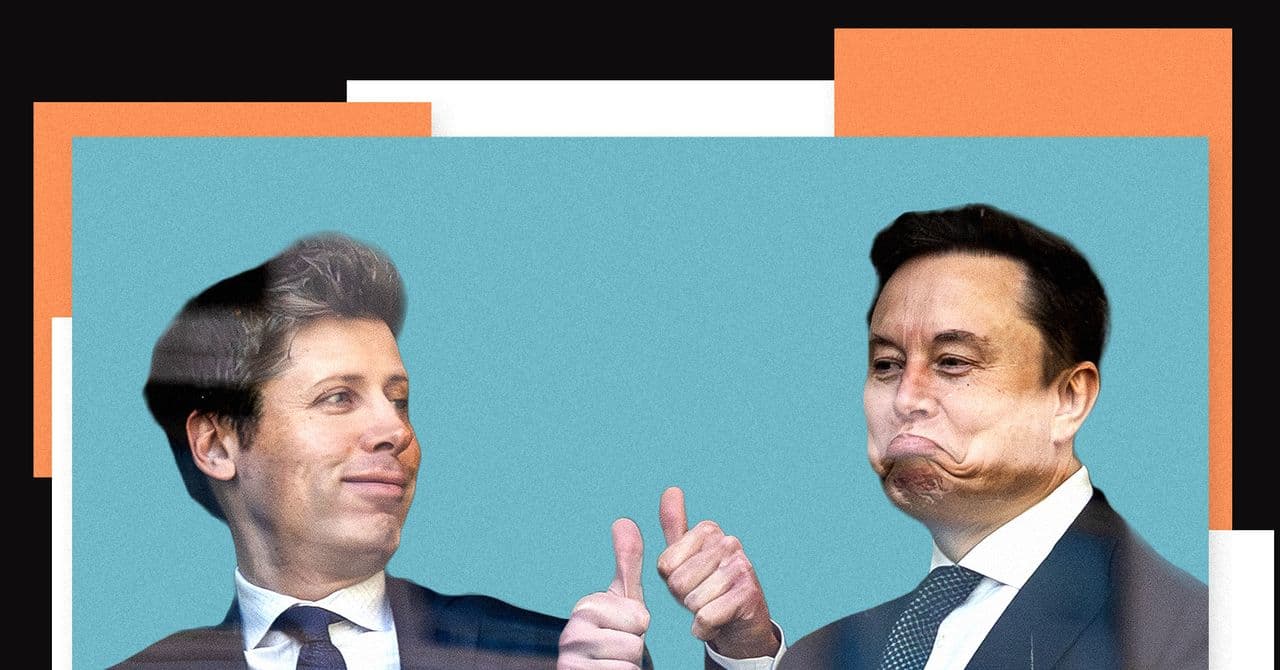
A California jury with nine members has ruled unanimously against Elon Musk in his lawsuit against OpenAI and CEO Sam Altman. They concluded that Musk waited too long to file his claims.
The jury returned its verdict in just two hours on Monday, and the judge swiftly adopted it as her final decision. This ruling wraps up one of the most talked-about legal battles in tech history.
What Musk Was Claiming
Musk cofounded OpenAI in 2015 with Sam Altman and others. The organization started as a nonprofit aimed at developing artificial intelligence safely for humanity. However, Musk left the board and later sued, claiming OpenAI betrayed its founding mission by becoming a for-profit entity. He argued that his former cofounders wronged him in this process.
His legal team made several claims, including breach of contract and unfair business practices. The heart of his argument was that he donated money and resources under the promise that OpenAI would remain a nonprofit research lab, not morph into a commercial AI giant worth hundreds of billions of dollars.
Why He Lost
The jury didn’t decide whether Musk’s claims had merit. Instead, they found that he filed his lawsuits too late, a legal principle known as the statute of limitations. In simpler terms, even if Musk had a legitimate grievance, he waited too long to take it to court.
Think of it like disputing a charge on a credit card from three years ago. The bank might agree the charge looks odd, but the deadline to contest it has passed.
The decision was unanimous among all nine jurors, and the judge immediately accepted it as her final ruling, showing confidence in the outcome.
| OpenAI: By The Numbers | |
|---|---|
| Founded | 2015 |
| CEO | Sam Altman |
| Headquarters | San Francisco, CA |
| Sector | Artificial Intelligence |
| Jury Deliberation Time | ~2 hours |
| Jury Size | 9 members |
| Verdict | Unanimous in favor of OpenAI |
What This Means
This ruling doesn’t change anything for everyday users of ChatGPT. OpenAI can carry on with its shift toward a traditional for-profit company without Musk’s lawsuit looming over it.
The bigger impact lies in OpenAI’s future plans. The company has been restructuring to attract more outside investment. A loss in this case would have complicated those efforts. Now, with the lawsuit resolved, that path is clearer.
For Musk, this ruling is a setback. He runs his own AI company, xAI, which produces the Grok chatbot. He positioned this lawsuit to highlight accountability in the AI industry, but that argument didn’t resonate in court.
Community Reaction
Online reactions have been mixed, reflecting how divisive both Musk and OpenAI are as topics.
“Two hours. The jury was back in two hours. That’s a lunch break. Says everything.”
— Reddit user on r/technology
“Whatever you think of Musk, his original concern about OpenAI abandoning its nonprofit mission wasn’t crazy. Just couldn’t prove it in time apparently.”
— YouTube comment on TechCrunch’s coverage
What To Watch
- OpenAI’s restructuring: The company is set to continue its shift to a for-profit structure in the coming months. Keep an eye out for announcements about new investment rounds and how the nonprofit board will fit into this new arrangement.
- Musk’s next move: His legal team might appeal the verdict. However, given the unanimous jury decision and the judge’s quick acceptance, that could be a tough battle.
- xAI competition: With the lawsuit behind them, both companies can focus on their products. Grok and ChatGPT are in direct competition, and the real contest will be in feature updates and user engagement, not courtrooms.
Sources: Wired: Elon Musk Loses Landmark Lawsuit Against OpenAI | TechCrunch: Elon Musk has lost his lawsuit against Sam Altman and OpenAI

Daniel Park
Daniel Park covers AI, cloud infrastructure, and enterprise software for Explosion.com. A former software engineer who transitioned to technology journalism 5 years ago, Daniel brings technical depth to his reporting on artificial intelligence, startup funding rounds, and the companies building the future of computing. He breaks down complex AI developments and business strategies into clear, actionable insights for readers who want to understand how technology is reshaping industries.