Solar power is not just for eco-homes or large commercial buildings. More homeowners are now looking at solar energy as a practical way to reduce electricity bills, gain more control over household energy use, and make their property more sustainable. If you are considering solar power for your home, understanding the basics can help you make a more confident decision.
How Solar Power Works
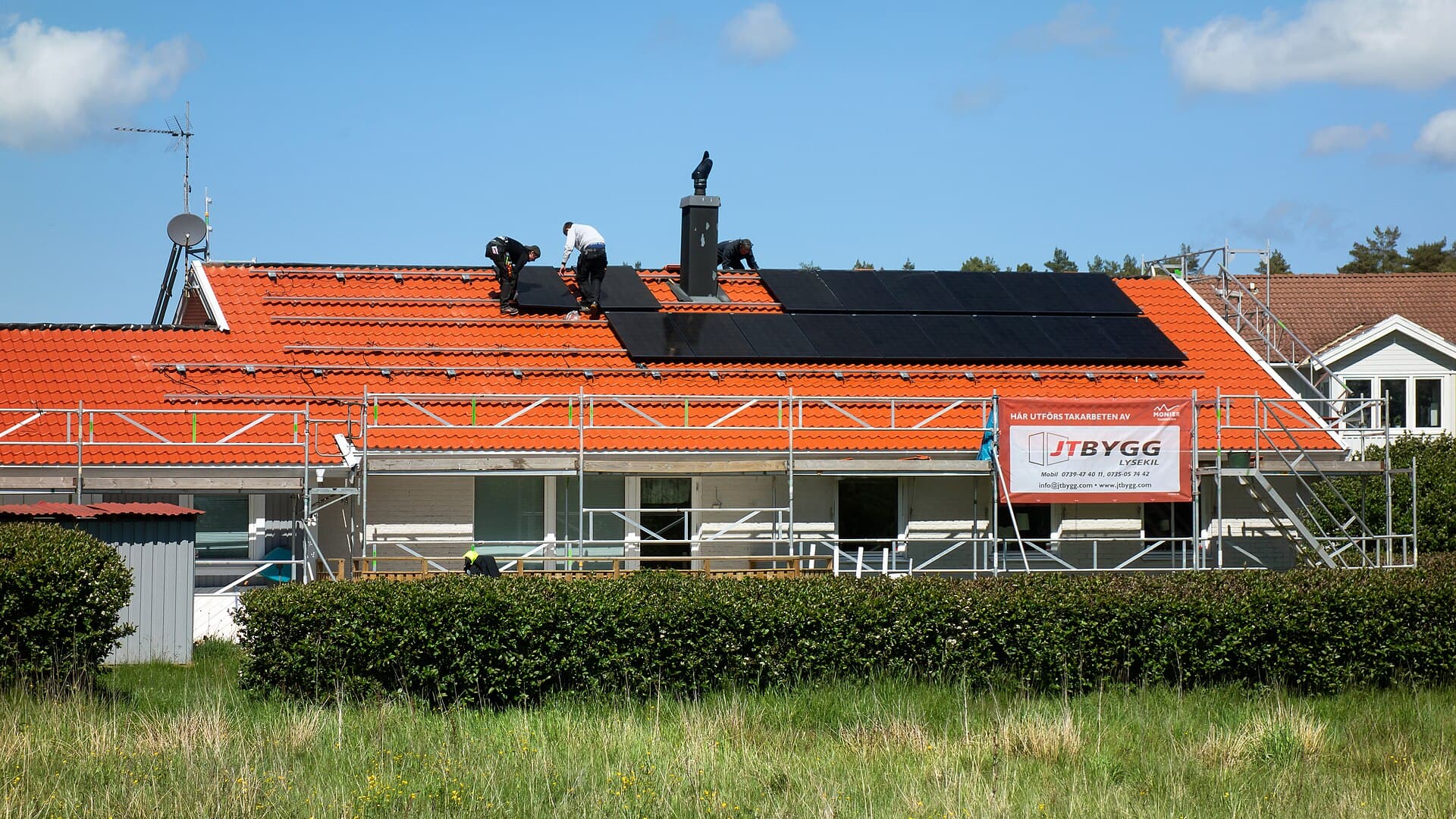
Solar panels capture energy from sunlight and convert it into electricity that can be used around your home. This electricity can power everyday essentials such as lighting, appliances, heating controls, home office equipment, and entertainment systems. When your panels generate more power than you need at that moment, the extra energy may be stored in a battery system or exported back to the grid, depending on your setup.
The amount of energy your system produces will depend on several factors, including the number of panels installed, your roof direction, shading, local weather conditions, and your household’s energy habits.
Is Your Home Suitable?
Before investing in solar power, it is worth assessing whether your home is a good fit. South-facing roofs often perform best in the UK, but east and west-facing roofs can still generate useful energy. You should also consider whether trees, neighbouring buildings, or chimneys cast shade over your roof during the day.
The roof condition matters too. If your roof is old or likely to need repairs soon, it may be sensible to address this before installing panels. Solar systems are designed to last for many years, so it makes sense to start with a strong, reliable base.
Think About Your Energy Use
Solar power works best when it supports how your household actually uses energy. If you are at home during the day, you may be able to use more of the electricity your panels generate in real time. If your home is empty for long periods, battery storage could help you save energy for the evening.
Look at your current electricity bills to understand your usage patterns. This will help you choose a system that suits your needs rather than simply going for the biggest option available.
Choosing The Right Equipment
A solar power setup can include panels, inverters, mounting equipment, batteries, cables, and monitoring tools. Quality matters, especially if you want a system that performs well over time. Homeowners researching equipment, kits, and renewable energy options can explore suppliers such as powerandpedal.co.uk to get a better idea of what is available.
When comparing products, look at efficiency, warranty length, compatibility, and whether the system can be expanded later. A flexible setup can be useful if your energy needs grow in the future, for example, if you add an electric vehicle charger or home battery.
Maintenance And Long-Term Value
Solar panels are generally low maintenance, but they should still be checked occasionally. Keeping panels clear of heavy dirt, debris, and overhanging branches can help maintain performance. Many systems also include monitoring software, so you can see how much energy is being generated.
Over time, solar power can help reduce your reliance on grid electricity and protect your home from rising energy costs. It can also make your property more appealing to buyers who value lower running costs and greener living.
Summing Up
For homeowners, solar power is a practical step towards a more efficient, resilient, and sustainable home. By assessing your property, understanding your energy use, and choosing the right equipment, you can build a system that supports your household for years to come.

Nick Guli
Nick Guli is the founder and editor-in-chief of Explosion.com, which he launched in February 2012. With over a decade of experience in digital publishing, Nick oversees editorial direction across entertainment, gaming, technology, and lifestyle content. He is an avid gamer and movie enthusiast who brings a critical eye to coverage of industry trends, game reviews, and entertainment news.