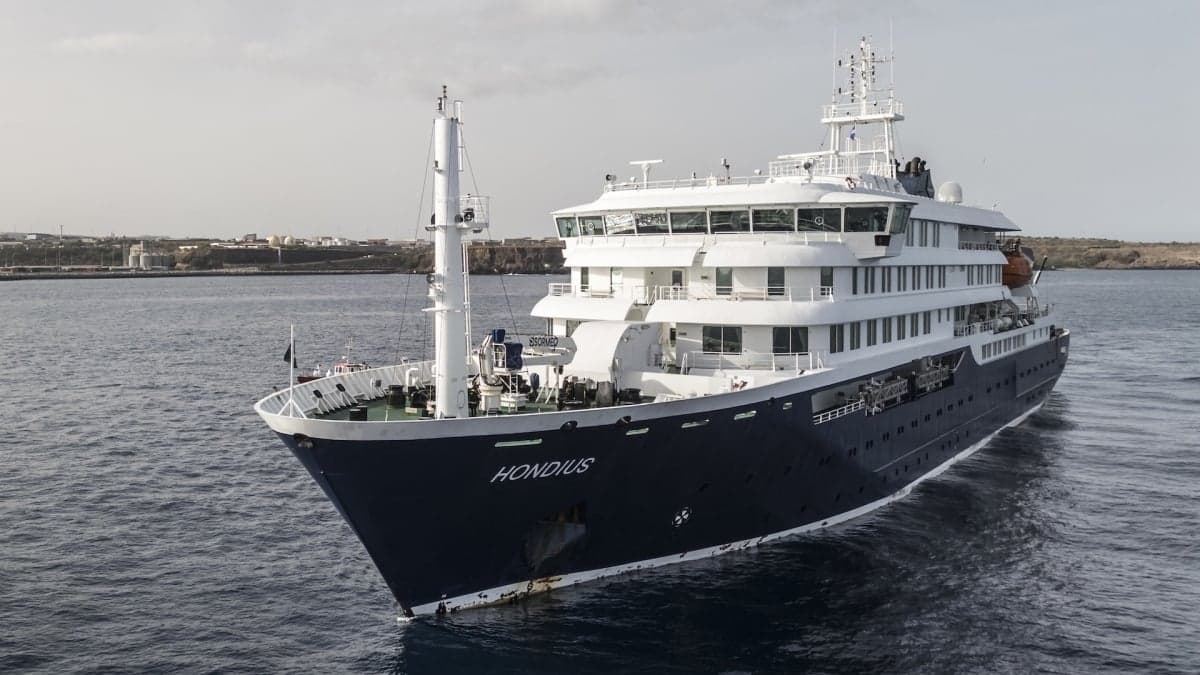
A hantavirus outbreak on the expedition cruise ship m/v Hondius has resulted in several passenger deaths and left many others stranded at sea. However, public health experts believe the virus is unlikely to spread beyond the ship or spark a broader global emergency.
What’s Happening on the Hondius
The m/v Hondius, an expedition vessel in the Atlantic, has become the epicenter of a concerning outbreak after multiple passengers contracted hantavirus, a rare but serious illness linked to rodents. Travel blogger Jake Rosmarin, who is among the passengers on the ship, has been sharing updates in real time, giving a personal perspective on the distress onboard. His observations reveal that the atmosphere among passengers has shifted from confusion to fear as the situation has worsened.
Rosmarin shared images of people isolating in their cabins, limited communication from the crew during the early phase of the outbreak, and a growing sense of despair among those trapped onboard. His posts help illustrate what could otherwise seem like a distant health news story.
So What Exactly Is Hantavirus?
Hantavirus refers to a group of viruses primarily transmitted through contact with infected rodents — whether it’s their urine, droppings, or saliva — or by inhaling contaminated dust. Imagine it as a hidden danger left behind by mice or rats in enclosed areas. The most severe form, hantavirus pulmonary syndrome (HPS), leads to serious lung issues and can be deadly.
Here’s an important detail that sets this outbreak apart from something like COVID-19: hantavirus doesn’t easily spread from person to person. You won’t catch it just by sitting next to someone on a cruise ship, sharing a meal, or even being in the same cabin. The virus usually requires direct contact with rodent materials. This key difference keeps the outbreak contained instead of spreading contagiously.
Why This Isn’t the Next Pandemic
Reporting from Wired indicates that public health experts aren’t viewing this as a potential global crisis because of how hantavirus transmits. Unlike respiratory viruses that spread through the air, hantavirus transmission chains are quite short. Once you eliminate the source — in this case, rodents or contaminated areas on the ship — the infection stops.
This outbreak is serious for those affected, and the deaths are heartbreaking. But the conditions that caused it are unique to this ship and situation. Unless other locations face similar rodent contamination, the risk to the general public remains very low.
| Stat | Detail |
|---|---|
| Vessel | m/v Hondius, Atlantic Ocean |
| Transmission route | Rodent contact or contaminated dust — not person-to-person |
| Fatality rate (HPS) | Approximately 38% in confirmed U.S. cases historically |
| Person-to-person spread | Rare to none for most hantavirus strains |
| Global pandemic risk | Low, per current expert assessment |
What This Means for Everyday Travelers
If you’re planning a cruise or any international trip, this outbreak shouldn’t make you rethink your plans. The issues aboard the Hondius seem limited to that specific environment. However, it highlights that expedition-style travel — especially to remote areas on smaller ships with wildlife — comes with different health considerations compared to a typical resort vacation.
When traveling to rural or wilderness areas, basic precautions are essential: avoid handling rodents, don’t disturb nesting sites, and ventilate enclosed spaces before entering. These are standard recommendations the CDC has long suggested for outdoor enthusiasts, hikers, and campers.
If you’re not planning to travel on expedition ships or to remote locations, this outbreak won’t change your daily health risks.
Community Reaction
“People keep comparing this to COVID and it’s not even close. Hantavirus doesn’t jump from person to person the same way. The real question is how rodents got onto that ship in the first place.”
“Saw Jake Rosmarin’s posts. Hard to watch. That ship looks completely chaotic. Glad he’s getting the word out but also really hoping he stays safe.”
Further Reading
- Why the Hantavirus Cruise Ship Outbreak Isn’t Likely to Become a Global Crisis — Wired
- Travel Blogger Offers Glimpse at Suffering Aboard Hantavirus-Stricken Ship — Mashable
What To Watch
- Ship status: Keep an eye out for official updates on when passengers can disembark and if port authorities will impose any quarantine requirements.
- Source investigation: Health officials are likely to investigate how rodents or contamination reached the Hondius. Their findings could impact safety standards for expedition cruise operators in general.
- WHO and CDC guidance: If more cases pop up on other vessels, expect updated travel advisories. So far, no such advisories have been issued.
- Jake Rosmarin’s updates: His ongoing firsthand reporting from aboard the ship provides one of the clearest insights into conditions on the water.

Ava Mitchell
Ava Mitchell is a digital culture journalist at Explosion.com covering social media platforms, streaming services, and the creator economy. With 4 years reporting on TikTok, Instagram, YouTube, and the apps that shape daily life, Ava specializes in explaining platform policy changes and their impact on everyday users. She previously managed social media strategy for a tech startup, giving her firsthand experience with the platforms she now covers.