If you own an AR-15 rifle or are thinking about building one, you’ve likely heard the term “mil-spec.” You’ve probably also seen upgrades from brands like Magpul. But what do these terms really mean? And more importantly, what matters most for the average rifle owner?
This guide breaks it down in simple terms. We’ll compare basic mil-spec parts to common Magpul upgrades. We’ll look at comfort, durability, performance, and value. By the end, you’ll have a clearer idea of when mil-spec is enough, and when upgrading makes sense.
What Does “Mil-Spec” Mean?
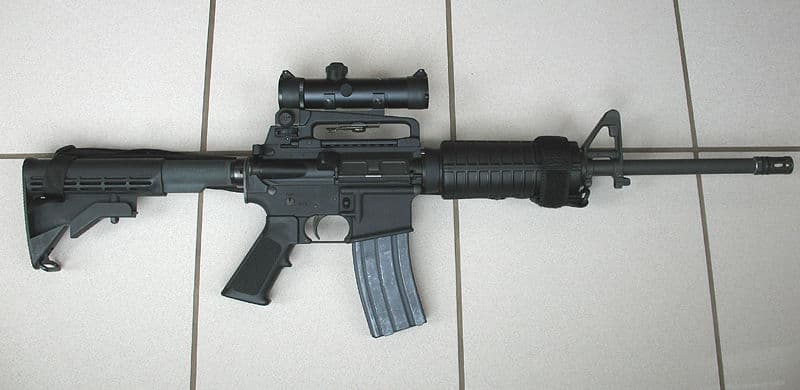
“Mil-spec” stands for military specification. It refers to parts that meet certain standards set for military rifles. In the AR-15 world, mil-spec usually means:
- Standard trigger components
- Basic plastic handguards
- Fixed A2-style grips
- Standard collapsible stocks
- Plain charging handles
Mil-spec parts are designed to be durable and reliable. They are made to work under tough conditions. For many rifle owners, mil-spec parts do exactly what they need to do.
Pros of Mil-Spec Parts
- Affordable: Mil-spec components are often included in factory rifles or lower-cost builds.
- Reliable: They are designed around proven military standards.
- Widely Compatible: Most AR-15 rifles accept mil-spec parts without issue.
Cons of Mil-Spec Parts
- Basic Comfort: Standard grips and stocks may not fit every shooter’s hand or shooting style.
- Limited Features: Mil-spec parts prioritize function over customization.
- Minimal Ergonomics: Practical, but not always optimized for modern shooting needs.
For many first-time rifle owners, mil-spec is a great starting point. It keeps costs down and provides a dependable platform.
What Makes Magpul Different?
Magpul is known for making upgraded components for AR-15 rifles and other platforms. Instead of just meeting minimum standards, many Magpul parts focus on comfort, modularity, and user-friendly design.
Let’s look at some common upgrade areas.
Grips: Comfort Matters
One of the most noticeable differences between mil-spec and upgraded parts is the pistol grip.
Mil-Spec Grip
- Straight angle
- Basic texture
- Minimal storage
It works, but it may not feel natural for everyone.
Magpul Grip
Magpul grips often offer:
- Improved grip angle for modern shooting stances
- Better texture for control
- Internal storage compartments
For the average rifle owner who spends time at the range, comfort can make a big difference. A better grip can reduce fatigue and improve control.
Stocks: Stability and Adjustability
Your stock affects how your rifle feels against your shoulder.
Mil-Spec Stock
- Basic collapsible design
- Lightweight
- Minimal cheek weld support
It’s simple and functional.
Magpul Stock
Magpul stocks often include:
- Improved cheek weld
- Tighter lock-up to reduce wobble
- Sling mounting options
If you shoot often, especially with optics, better cheek weld support can help improve consistency.
Handguards and Accessories
The handguard protects your hands and allows you to mount accessories.
Mil-spec handguards are simple. They protect your hand from barrel heat.
Magpul offers modern handguards and accessory options that:
- Allow mounting grips or lights
- Improve ventilation
- Offer modular attachment systems
For the tactical enthusiast who wants to customize their rifle, these features matter. For the occasional shooter, they may not be necessary.
Bipods and Shooting Stability
If you shoot from prone or off a bench, stability matters.
A good example of an option offering stability is a Magpul bipod. Compared to basic, entry-level bipods, Magpul designs often focus on:
- Lightweight construction
- Easy adjustments
- Durable materials
- Smooth leg deployment
For hunters or precision shooters, a quality bipod can improve accuracy. For casual range use, a sandbag may be enough. It comes down to how often you plan to shoot from supported positions.
Triggers: Mil-Spec vs Upgraded
Standard mil-spec triggers usually have:
- Heavier pull weight
- Noticeable “grit”
- Basic break and reset
They are reliable and safe, but they are not always smooth.
Upgraded triggers, though not limited to Magpul, can offer:
- Lighter pull
- Cleaner break
- Faster reset
For competitive shooters or those focused on precision, trigger upgrades can improve performance. For home defense or basic range use, mil-spec triggers are often perfectly acceptable.
Who Should Upgrade?
Let’s break this down by common types of rifle owners.
The First-Time Rifle Owner
If you just bought your first AR-15 rifle, mil-spec parts are fine. Focus on:
- Safe handling
- Proper storage
- Basic maintenance
- Regular practice
Upgrades can come later.
The Budget-Conscious Enthusiast
If you want better performance without overspending, start with high-impact upgrades:
- Improved grip
- Better stock
- Reliable magazines
These upgrades can improve comfort without requiring you to rebuild your entire rifle.
The Tactical Enthusiast
If you train often or customize your rifle for specific roles, upgrades may make sense sooner. Modular handguards, upgraded stocks, and accessories can support different shooting environments.
The Occasional Shooter
If you shoot a few times a year, mil-spec parts are likely more than enough. Spend your money on:
- Quality 5.56 or .223 ammo
- A good optic
- A reliable cleaning kit
Upgrades are helpful, but not mandatory.
What About AR Builds?
If you’re starting from scratch, your decision may come during the building process. Many shooters explore complete rifles or parts kits when planning AR builds.
When building your own AR-15:
- Decide your purpose (range, defense, hunting).
- Choose a solid base configuration.
- Upgrade only where it makes sense.
You don’t need every premium part to have a reliable rifle. Often, a mix of mil-spec and upgraded components provides the best balance of cost and performance.
Cost vs. Value
Mil-spec parts are so common because they’re affordable and they work.
Magpul parts usually cost more, but they often offer:
- Better ergonomics
- Improved materials
- Enhanced durability
- Modern design
The real question is not “Which is better?” It’s “What do I actually need?”
If your rifle sits in a safe most of the year, basic parts may be perfect. If you shoot monthly or train regularly, comfort and durability become more important.

Nick Guli
Nick Guli is the founder and editor-in-chief of Explosion.com, which he launched in February 2012. With over a decade of experience in digital publishing, Nick oversees editorial direction across entertainment, gaming, technology, and lifestyle content. He is an avid gamer and movie enthusiast who brings a critical eye to coverage of industry trends, game reviews, and entertainment news.