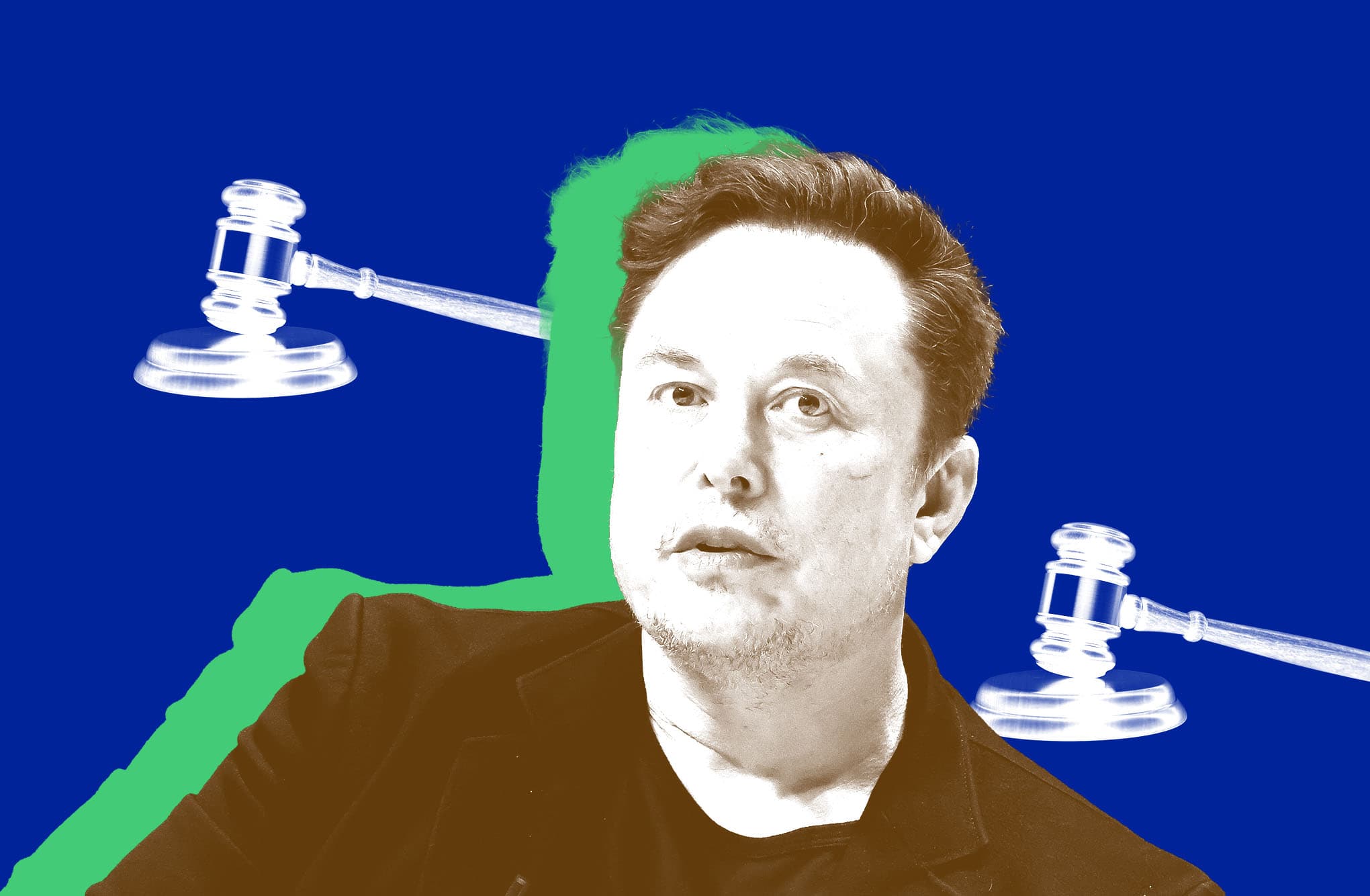
Elon Musk returned to the witness stand for a second day in his lawsuit against OpenAI, facing bigger challenges from his own social media history than from the opposing lawyers.
Musk is suing OpenAI and its CEO, Sam Altman. He claims the company strayed from its original nonprofit mission to develop AI for humanity’s benefit after accepting billions in investment from Microsoft and operating more like a for-profit tech firm. This trial, underway in a California federal court, has become one of the most watched legal disputes in the AI world.
What Happened in Court
During the cross-examination phase, OpenAI’s lawyers consistently used Musk’s tweets and public statements against him. Reports from The Verge and TechCrunch revealed that the second day of testimony showcased a series of Musk’s past posts introduced as evidence, often conflicting with the narrative his legal team aimed to establish.
A reporter from The Verge noted that after about five hours of testimony, she felt unexpectedly sympathetic toward Sam Altman. Musk’s direct testimony, where his own lawyers questioned him, showed some improvement from the first day. However, his lawyers relied heavily on leading questions — a tactic where the attorney suggests the answer they want through the question’s phrasing — to keep Musk focused.
Once OpenAI’s lawyers began their questioning, that support vanished.
The Tweet Problem
Musk has been an active poster on X, the platform he owns, for years. Now, that extensive posting history has become a legal liability. In defamation and contract cases, public written statements can serve as evidence of someone’s beliefs, intentions, or knowledge at a specific time. Think of it as a paper trail — but Musk created his one post at a time, publicly, over more than a decade.
OpenAI’s legal team seems to be leveraging those posts to undermine Musk’s assertion that he always wanted OpenAI to stay a pure nonprofit and that he was caught off guard by its commercial shift. Posts where Musk praised OpenAI’s progress or expressed enthusiasm for its direction have become key pieces of evidence.
What’s Actually at Stake
Musk co-founded OpenAI in 2015 with Altman and others, contributing an estimated $44 million before stepping down from its board in 2018. He later launched xAI, an AI company that competes directly with OpenAI.
His lawsuit aims to prevent OpenAI’s ongoing shift from nonprofit to for-profit status, a move potentially worth hundreds of billions of dollars. If Musk wins, it could force OpenAI to unwind deals, return investor money, or drastically change how it operates. If he loses, OpenAI’s path to becoming a commercial entity would become much clearer.
| By The Numbers: The Musk vs. OpenAI Case | |
|---|---|
| Year Musk co-founded OpenAI | 2015 |
| Estimated Musk donations to OpenAI | ~$44 million |
| Year Musk left OpenAI’s board | 2018 |
| Microsoft’s investment in OpenAI | $13 billion+ |
| Year Musk launched rival AI company xAI | 2023 |
| Days Musk has testified (so far) | 2 |
What This Means for Everyday Users
If you use ChatGPT, DALL-E, or any OpenAI-powered products integrated into tools like Microsoft Word or Copilot, this case has direct implications for the company behind those tools. A ruling against OpenAI’s for-profit conversion could slow its product development, complicate partnerships with Microsoft, and create uncertainty around its business model.
More broadly, this case raises a crucial question: can a tech company that began with an altruistic mission shift to profit-driven operations once it grows large enough? The answer could influence how other AI startups structure themselves from the outset and whether donors or early backers have any legal say over a company’s evolution.
What People Are Saying
“Musk’s own tweets are being used against him and honestly it’s wild that a guy who owns a social media company doesn’t understand that everything he posts is permanent evidence.”
— u/throwaway_techlaw on Reddit’s r/technology
“The leading questions from his own lawyers were so obvious the judge had to step in a couple times. This is not a man who was prepared to be cross-examined.”
— YouTube comment on LegalEagle’s trial coverage
What To Watch
- Continued testimony: Musk’s time on the stand may extend, and how he handles ongoing cross-examination will influence the judge’s view of his credibility.
- Sam Altman’s testimony: Altman is expected to testify at some point. His account of OpenAI’s founding mission and commercial evolution will counter Musk’s narrative.
- OpenAI’s nonprofit conversion deadline: OpenAI is working to finalize its transition into a for-profit public benefit corporation. A court injunction could halt or obstruct that process while the case unfolds.
- xAI’s positioning: Musk’s own AI company could gain a competitive edge if OpenAI faces legal limitations. Analysts will be watching to see if xAI accelerates its fundraising or product announcements alongside the trial.
Sources: The Verge: Elon Musk’s worst enemy in court is Elon Musk | TechCrunch: On the stand, Elon Musk can’t escape his own tweets

Ava Mitchell
Ava Mitchell is a digital culture journalist at Explosion.com covering social media platforms, streaming services, and the creator economy. With 4 years reporting on TikTok, Instagram, YouTube, and the apps that shape daily life, Ava specializes in explaining platform policy changes and their impact on everyday users. She previously managed social media strategy for a tech startup, giving her firsthand experience with the platforms she now covers.