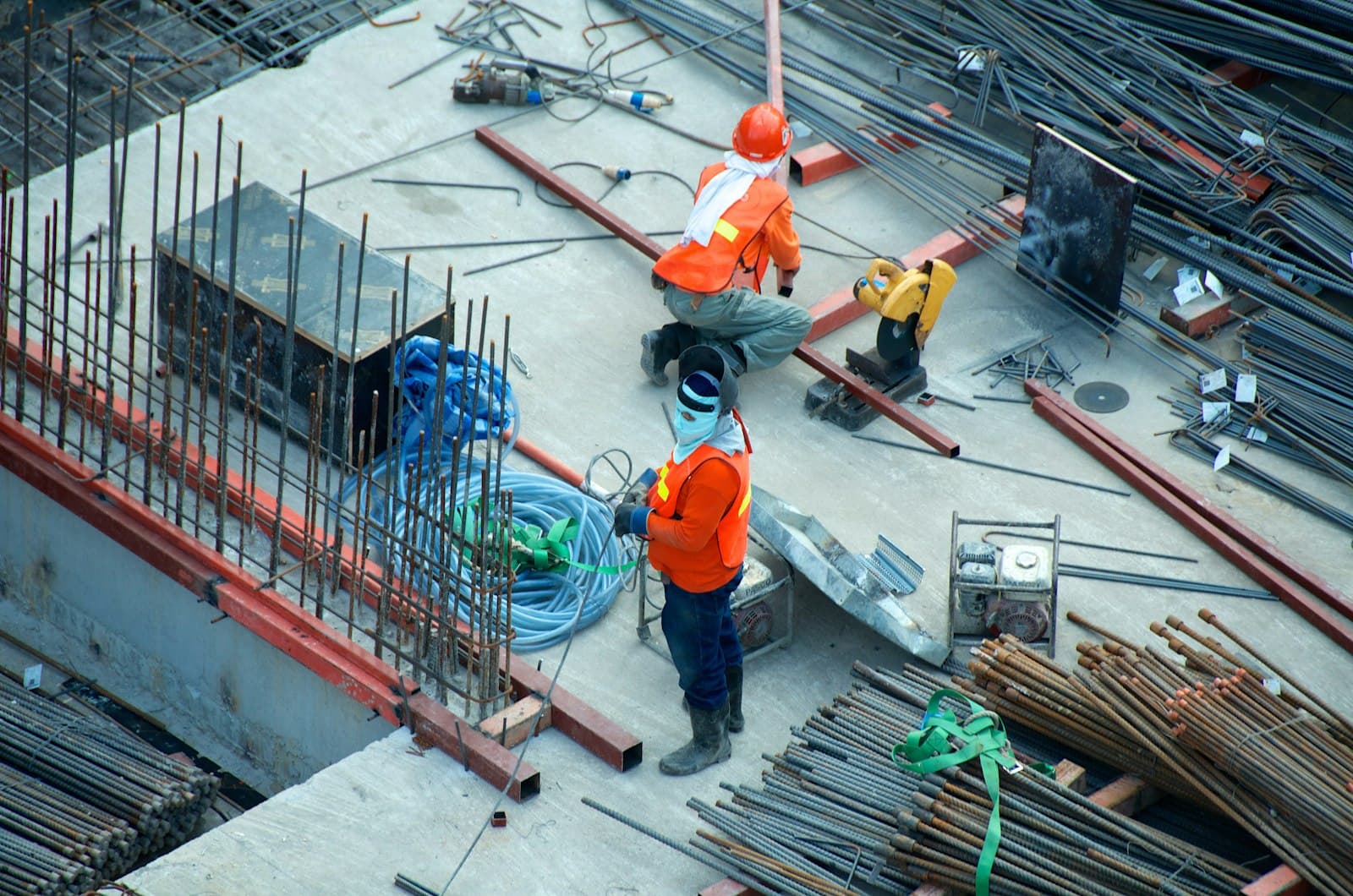
Dropped tools do more than create a hazard. They interrupt the flow of work. Crews stop, clear space, and reset before they can continue. These pauses add up across a shift.
This is most visible in overhead work. Crews on ladders, scaffolds, lifts, or steel carry tools while moving and positioning. Many also work in body-worn systems, such as a high-quality safety harness, while managing access, balance, and task sequence. This article focuses on how dropped tools affect workflow, not only risk.
The Problem Is Not Just the Drop
One Drop Creates a Chain Reaction
A dropped tool rarely ends with retrieval. Work stops while the area below is cleared. Nearby crews pause. Access routes shift. Tasks that depend on shared space or timing are delayed.
Exclusion zones, sometimes called drop zones or red zones, keep people clear of overhead work. When a tool falls, those zones may expand or reset. That change affects more than one worker.
The Disruption Spreads Across the Jobsite
Dropped tools affect the wider work area, even when no one is hurt. Crews may already be coordinating multiple systems in the same space, including tasks that involve understanding the purpose of a self-retracting lifeline during movement at height. Tool control operates alongside those systems but addresses a different problem. The same applies to trusted fall protection equipment, which protects the worker, not the tools or materials below.
- Work may stop while crews clear and secure the area below.
- Access routes, lift paths, or staging zones may be temporarily blocked.
- Supervisors may pause other tasks to assess conditions and reset controls.
These interruptions are usually brief. The impact comes from how often they occur.
Where Workflow Breaks Down at Height
Small Interruptions Add Up Quickly
Most lost time comes from small delays. A worker climbs down to retrieve a tool. A lift is lowered and raised again. A task pauses while a replacement is found. Each step may take minutes. Over a shift, those minutes accumulate.
Common Workflow Breakpoints in Overhead Work
- Repeated Climbs Increase Time and Effort: Workers descend and re-ascend to retrieve or replace tools.
- Lift Cycles Interrupt Task Flow: Baskets must be lowered, reset, and repositioned before work continues.
- Tool Access Delays Progress: Missing or unsecured tools force pauses or inefficient movement.
- Handoffs Become Less Efficient: Crews wait for tools or adjust sequencing mid-task.
These are routine disruptions. They are easy to miss but hard to avoid once work begins.
Dropped Object Prevention Is Not the Same as Fall Protection
Two Different Problems, Two Different Systems
Dropped object prevention focuses on keeping tools, materials, and equipment from falling. Fall protection focuses on preventing falls. Both operate in the same overhead work zones, but they serve different roles.
How Tool Control Systems Are Structured
- Tool Tethering Connects Tools to Anchors: Tethers and lanyards limit how far a tool can fall during use.
- Attachments and Containers Manage Storage: Pouches, holsters, and anchor points secure tools when not in use.
- Body-Worn Systems Protect the Worker: Harnesses and lifelines are part of fall protection, not tool control.
Why the Distinction Matters on Active Jobsites
Confusing these systems creates gaps in planning. A crew may focus on worker fall protection and assume tool control is covered. In practice, both need attention. Standards such as ANSI/ISEA 121 address dropped object prevention solutions and how they perform. Fall protection follows a different set of requirements. Keeping the roles clear helps avoid missed controls in active overhead work.
What Better Overhead Work Planning Looks Like
Planning Starts Before Tools Leave the Ground
Good planning reduces mid-task fixes. Crews should decide how tools will be carried, secured, and accessed before work begins. This includes how work areas are arranged and how trades share space.
Guidance on preventing falling objects outlines ways to secure tools and manage overhead areas. Guidance on fall protection in construction explains how workers and areas below can be protected through barriers, toeboards, or similar controls. These approaches work together but address different risks.
Core Planning Elements for Active Overhead Work
- Identify drop paths and define exclusion zones before work begins.
- Plan how tools will be carried, stored, and secured at height.
- Coordinate overlapping trades and shared access areas.
- Assign responsibility for inspection, zone control, and adjustments.
Inspection Is Not the Same as Documentation
Inspection means checking tools, tether points, and work areas before and during the task. Documentation means recording what was found and what was corrected. Both matter, but they serve different purposes. Clear records support consistency and help prevent repeated issues.
Why Small Tool-Control Failures Turn Into Bigger Delays
Non-Injury Events Still Cost Time
Many dropped tools do not cause injury. They still affect the schedule. Crews pause, adjust, and restart. These resets take time and shift attention away from the task.
Common Delay Patterns After Dropped Tools
- Inspections may be delayed or repeated.
- Work areas may need to be cleared or expanded.
- Crews may wait for replacement tools or approvals.
- Task sequencing may need to be reset.
These delays may not appear in incident reports. Crews experience them as lost momentum and compressed timelines.
The Real Cost Is the Interrupted Work
A dropped tool rarely stands alone. It leads to a stop, a reset, and added coordination. On active jobsites, those steps shape how work moves through the day.
Better tool control supports steady workflow. It helps crews spend more time on the task and less time recovering from interruptions.

Nick Guli
Nick Guli is the founder and editor-in-chief of Explosion.com, which he launched in February 2012. With over a decade of experience in digital publishing, Nick oversees editorial direction across entertainment, gaming, technology, and lifestyle content. He is an avid gamer and movie enthusiast who brings a critical eye to coverage of industry trends, game reviews, and entertainment news.