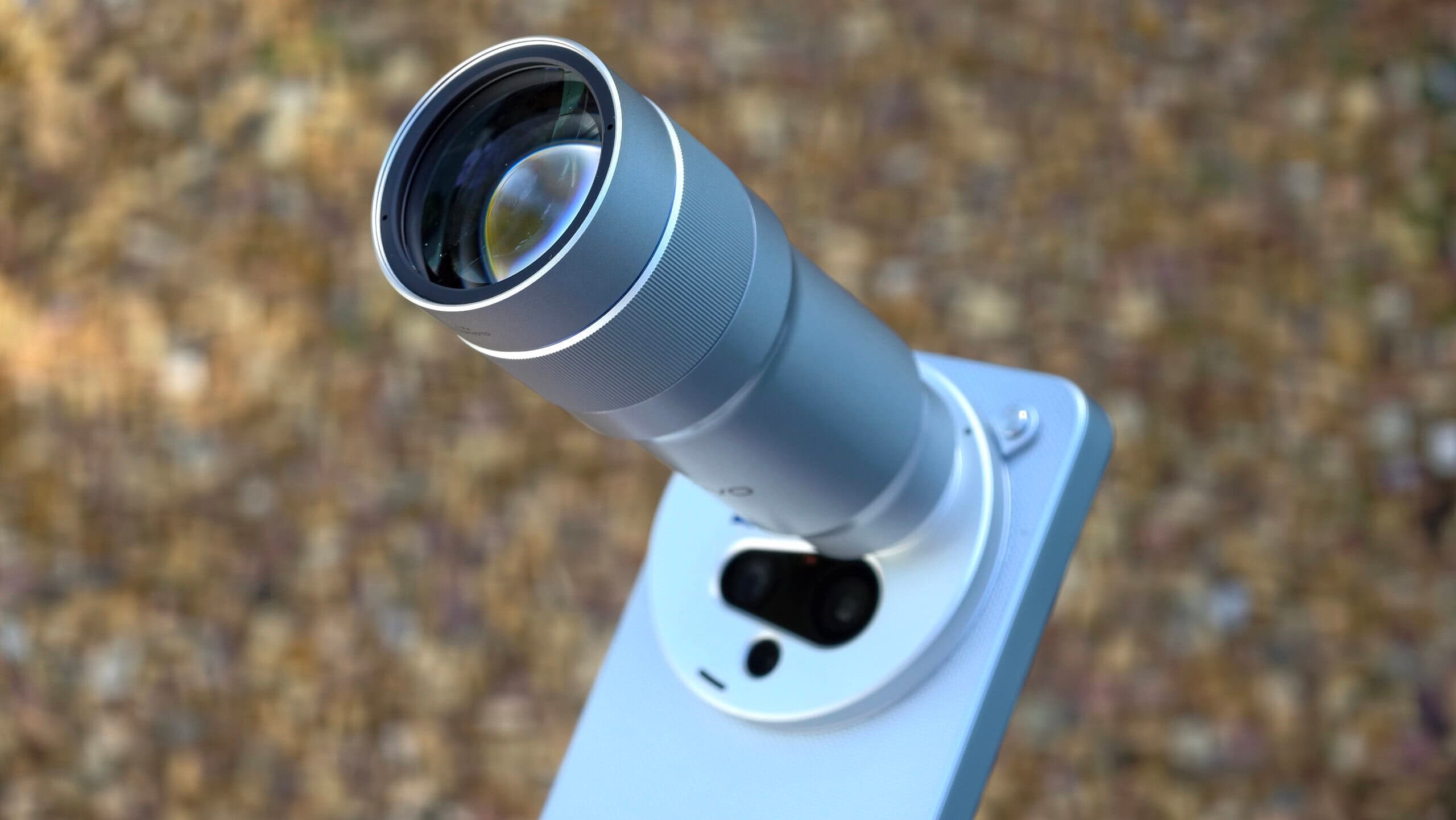
The Vivo X300 Ultra features a 17x optical zoom, which means it uses physical glass elements to magnify subjects instead of digitally cropping and stretching photos. This camera reportedly captures images that no current Pixel or iPhone can match, but it does come with some serious trade-offs.
What Is the Vivo X300 Ultra?
Vivo ranks among China’s largest smartphone manufacturers, yet it remains mostly unknown in North America. The X300 Ultra is their flagship model, showcasing a camera system that revolves around a periscope telephoto lens. Imagine a submarine’s periscope compacted into your phone, bending light through multiple lenses to achieve impressive zoom distances without making the phone overly thick.
Most flagship smartphones max out at 5x optical zoom, while Samsung’s Galaxy S25 Ultra stretches to 10x. Vivo’s 17x zoom is, by a wide margin, the longest optical zoom currently available in any consumer smartphone.
According to Android Authority, which tested the device for several weeks, the zoom lens is equivalent to a 400mm camera lens. That’s the kind of lens professional sports and wildlife photographers lug around. Achieving that kind of reach in a phone is truly impressive engineering.
What Can You Actually Do With 17x Zoom?
In short, you can do things that used to require a dedicated camera with a long telephoto lens. You can photograph birds in trees, read distant signs, capture details on buildings across a skyline, or shoot sports events from the stands. The reviewer found that it could capture images that a Pixel 9 Pro simply couldn’t replicate at that focal length.
With 17x optical zoom, the camera can capture subjects from about 50 to 100 meters away with enough clarity to reveal fine details. If you push beyond 17x into digital zoom territory, the quality does drop, as it does with every phone. However, starting with a sharp 17x baseline means even 30x or 40x hybrid zoom (a mix of optical and digital) performs better than competitors beginning at 5x or 10x optical zoom.
The real-world appeal is clear: you won’t find yourself wishing for a “real camera” for certain shots.
| Spec | Detail |
|---|---|
| Optical Zoom | 17x (400mm equivalent) |
| Main Camera | 200MP primary sensor |
| Competing Flagships (max optical zoom) | Samsung Galaxy S25 Ultra: 10x / iPhone 16 Pro Max: 5x / Google Pixel 9 Pro: 5x |
| Availability | China; limited international release |
| Chipset | Snapdragon 8 Elite |
The Cost Problem
This is where things get tricky. If you live outside China, buying the X300 Ultra isn’t easy. Vivo doesn’t have official retail stores in the United States, Canada, or most of Western Europe. Most buyers end up importing through third-party resellers, which adds costs, removes warranty protection, and can raise issues with network compatibility (like whether the phone supports your carrier’s cellular frequency bands).
On top of availability, the phone itself is pricey. It sits in the premium flagship tier, competing with the iPhone 16 Pro Max and Galaxy S25 Ultra in terms of price, but it lacks the software ecosystem, trade-in programs, or carrier subsidies those brands enjoy in Western markets.
Then there’s the software aspect. Vivo uses a custom Android skin called OriginOS, tailored for Chinese markets, which might not include Google services by default on some imported versions.
Community Reactions
“The zoom shots look insane. But until Vivo officially launches in the US with proper warranty support, it’s a hard sell compared to just buying a used Sony RX10 IV for wildlife shots.”
“I imported a Vivo X90 Pro two years ago and still use it daily. The import process is annoying once, then you forget about it. The cameras are legitimately that good.”
What This Means for Everyday Users
If you’re in China or willing to handle an import, the X300 Ultra represents the peak of smartphone zoom photography. For everyone else, there are two key takeaways.
First, Vivo is pushing the entire industry forward. When one manufacturer demonstrates that 17x optical zoom can fit in a slim phone, it pressures Samsung, Apple, and Google to catch up. The 10x zoom on the Galaxy S25 Ultra would’ve seemed impossible five years ago, and it exists partly because Chinese companies have kept raising the bar.
Second, if zoom photography is important to you and you’re buying a phone in a Western market today, the Galaxy S25 Ultra’s 10x optical zoom remains the most accessible high-zoom option with full warranty and carrier support. Sure, the difference between 10x and 17x is real, but so is the gap in buying convenience.
What To Watch
- Samsung Galaxy Z Fold 8 is expected later in 2026 and may push telephoto specs further in Samsung’s foldable line, following recent reports about camera hardware upgrades.
- Google Pixel 10 series is anticipated for fall 2026 — Google has historically lagged in optical zoom hardware despite strong computational photography, and pressure from Vivo may drive changes.
- Vivo international expansion: The company has made previous attempts to enter European markets. Keep an eye out for announcements at major trade shows in late 2026 about wider availability of the X300 Ultra or its successor.
- Apple iPhone 17 Pro camera specs are expected to be detailed at Apple’s fall event — whether Apple responds to the zoom gap with updated periscope lens specs will be a key story.
Sources: Android Authority hands-on review of the Vivo X300 Ultra | Full zoom sample gallery and specs breakdown

Maya Torres
Maya Torres is the Consumer Tech Editor at Explosion.com with 7 years covering product launches for major technology publications. She has reviewed over 300 devices across smartphones, laptops, wearables, and smart home products. Maya specializes in translating spec sheets into real-world buying advice and attends CES, MWC, and Apple keynotes as press. Her reviews focus on helping readers decide what to buy, not just what specs look good on paper.