Getting a toddler to sleep is one of the toughest challenges for parents, and many are turning to technology for help. Smart sound machines and light-controlling devices can transform a bedroom, making a full night’s sleep possible instead of a 2 a.m. wake-up call for everyone.
Why Your Child’s Bedroom Setup Matters More Than You Think
Sleep researchers emphasize that the environment significantly affects sleep quality, especially for young children. Toddlers, usually aged 1 to 3, are still figuring out their circadian rhythms, which regulate sleep and wake times. Disruptions from noise, light, and temperature can hinder this process. Fortunately, several affordable tech products aim to tackle these issues.
CNET’s parenting coverage highlights a parent who found that the right tech setup in their son’s room was the biggest factor in improving his sleep consistency. Here are four types of products that are currently making a big impact for families.
The 4 Products Worth Knowing About
1. White Noise Machines
A white noise machine emits a constant sound, like a fan or rain, to mask sudden noises such as dogs barking or doors slamming. For toddlers who wake easily, these devices change the game. Newer models connect to apps, allow scheduling, and offer various sound options beyond just white noise.
2. Smart Nightlights With Sunrise Alarms
These lights serve two purposes. At night, they emit a dim, warm glow that won’t interfere with melatonin production—the hormone that makes you sleepy. In the morning, they gradually brighten to mimic a sunrise, helping toddlers wake up more gently rather than suddenly in a dark room. Some models even include a “okay to wake” feature, where the light changes color to indicate it’s morning and time to get out of bed.
3. Baby and Toddler Sleep Monitors
Modern monitors offer much more than basic audio feeds. Video monitors come with night vision, two-way audio, and temperature sensors, allowing parents to check in without opening the door, which can wake kids. Higher-end models track movement and breathing patterns, sending alerts if something seems off. This added peace of mind helps parents rest easier, too.
4. Smart Plugs and Automated Routines
A simple smart plug lets you control any regular outlet with your phone or voice, automating a toddler’s sleep environment. Parents can schedule a fan to turn on at 7:30 p.m., a nightlight to dim at 8 p.m., and a white noise machine to turn off at 6 a.m., all without entering the room. Connecting these devices to platforms like Amazon Alexa or Google Home simplifies building consistent routines that sleep experts say are essential for toddlers.
| By The Numbers | |
|---|---|
| Recommended toddler sleep per night | 11–14 hours (according to the American Academy of Sleep Medicine) |
| Age range most affected by sleep environment | 1–3 years (toddler stage) |
| Average price range: white noise machines | $30–$100 |
| Average price range: smart nightlights | $25–$80 |
| Average price range: video monitors | $80–$350 |
| Smart plug cost | $10–$25 per outlet |
What This Means
For parents of toddlers, this isn’t about buying gadgets just for fun. Each product addresses a real issue: blocking disruptive sounds, managing light exposure, reducing unnecessary room entries, and keeping bedtime routines consistent. Used together, they can transform a child’s bedroom into a sleep-friendly environment without breaking the bank. You don’t need to buy all four at once either. Many parents see noticeable results with just a white noise machine within a week.
What Real Parents Are Saying
“The Hatch [smart nightlight] was the best $80 I’ve ever spent. My 2-year-old now stays in bed until the light turns green. Before that, 5:30 a.m. was just… our life.”
“We started with just a cheap white noise machine and honestly that alone fixed 70% of our son’s night waking. The neighbor’s car alarm used to wake him every single time.”
Sources
- CNET: 4 Tech Products I Rely on to Help My Toddler Sleep
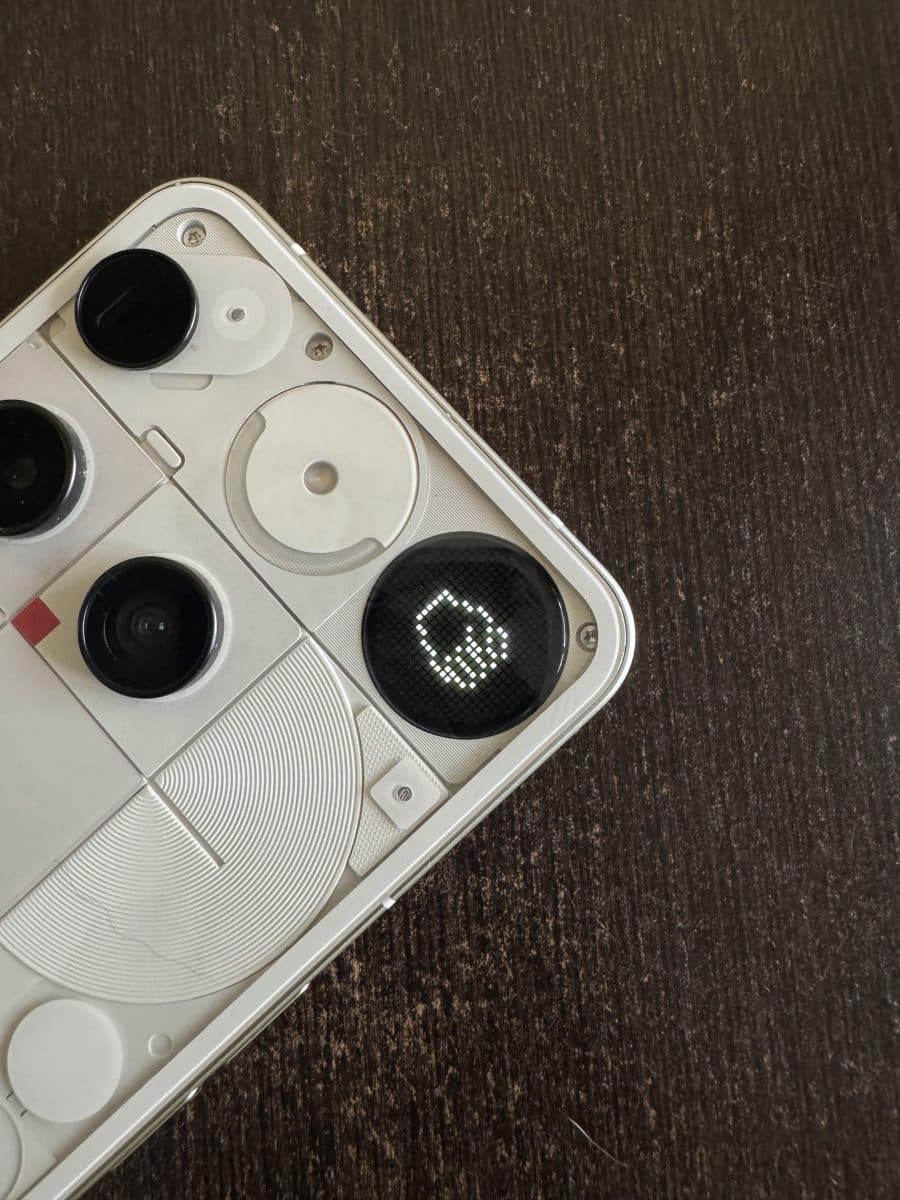
- TechCrunch: Nothing Introduces an AI-Powered Dictation Tool
What To Watch
- Smarter AI integrations: As AI assistants improve (check out OpenAI’s recent GPT-5.5 release and Nothing’s new on-device AI tools), expect baby monitors and smart home devices to offer more intelligent features. These could include automatically adjusting sound levels based on a child’s sleep patterns in real time.
- Summer 2026 product cycle: Major baby tech brands like Hatch, Nanit, and Owlet usually announce updated hardware in mid-year. If you’re eyeing a monitor or smart nightlight, it might be worth waiting to see what’s coming in the next few months.
- Smart home platform updates: Apple’s iOS 26 (released April 2026) includes improved Home app features for easier device automation. Android and Google Home are expected to follow with updates later this year, making it simpler than ever to set up automated sleep routines.

Maya Torres
Maya Torres is the Consumer Tech Editor at Explosion.com with 7 years covering product launches for major technology publications. She has reviewed over 300 devices across smartphones, laptops, wearables, and smart home products. Maya specializes in translating spec sheets into real-world buying advice and attends CES, MWC, and Apple keynotes as press. Her reviews focus on helping readers decide what to buy, not just what specs look good on paper.