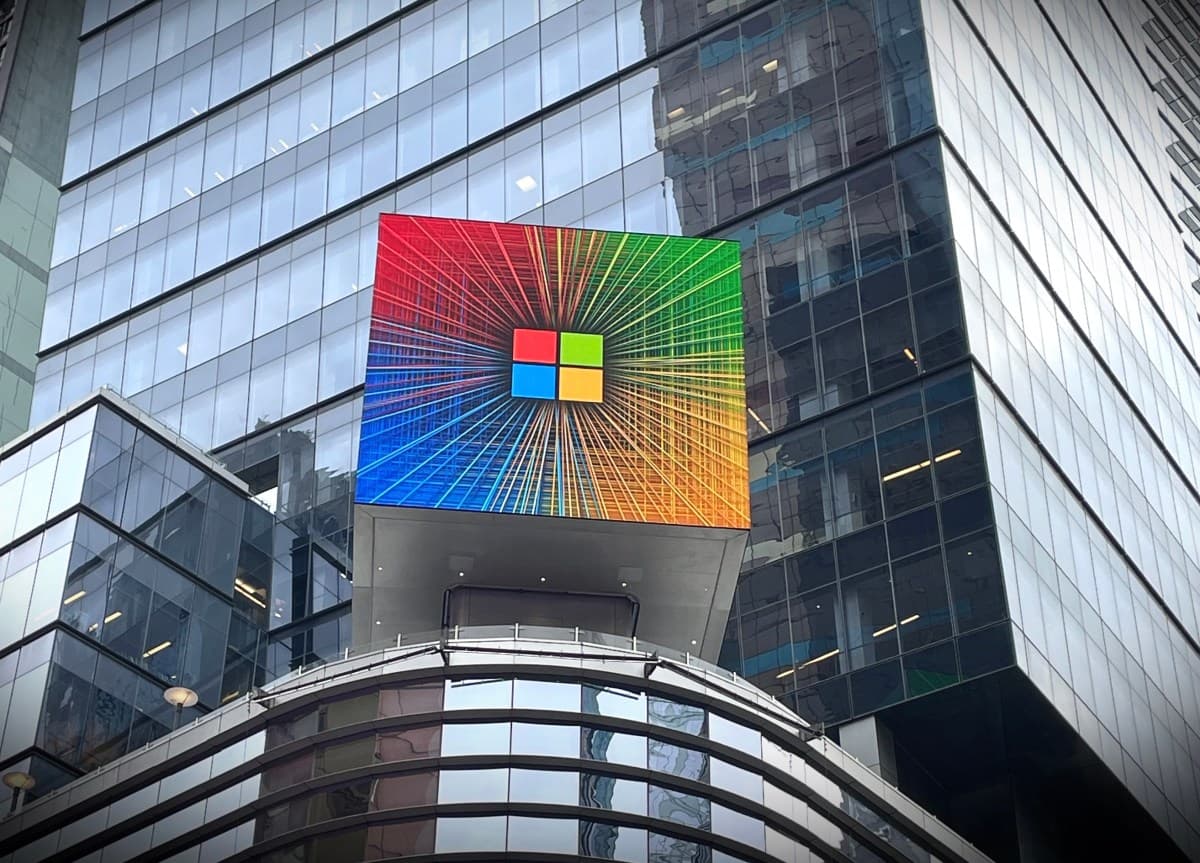
For the first time in its 51-year history, Microsoft is offering a voluntary retirement buyout to eligible long-serving U.S. employees. This program could impact up to 7% of its American workforce.
| Microsoft — By The Numbers | |
|---|---|
| Ticker | MSFT — $424.60 (+2.12%) |
| CEO | Satya Nadella |
| Founded | 1975, Redmond, WA |
| Employees eligible | Up to 7% of U.S. workforce |
| Eligibility rule | Age + years of service ≥ 70 |
| First-ever program | Yes — no prior voluntary retirement offer in company history |
What Is Microsoft Actually Offering?
They’re using a criteria sometimes called the “Rule of 70.” If an employee’s age plus their total years at Microsoft equals 70 or more, they qualify. For example, a 55-year-old with 15 years at Microsoft meets the threshold exactly. A 50-year-old who’s been with the company for 20 years would also qualify.
Along with the retirement offer, Microsoft is updating its annual rewards and performance review programs. However, they haven’t shared full details about the financial package for those eligible. This announcement comes during a period when Microsoft, similar to many big tech firms, is restructuring its workforce following a wave of AI-driven changes across the industry.
Why Now?
Voluntary retirement programs offer a gentler approach than layoffs. Instead of cutting jobs through terminations, companies give experienced employees an incentive to leave voluntarily. This method helps maintain goodwill, reduces some legal and reputational risks associated with mass layoffs, and often decreases the number of higher-paid, long-tenured staff.
Microsoft has already conducted several layoffs in the last two years, cutting thousands of jobs in gaming, engineering, and other sectors. This new voluntary program represents a different strategy, but it reflects the same underlying trend: tech giants are streamlining their workforces as they focus spending on artificial intelligence (AI) infrastructure instead of older product lines.
The fact that this is Microsoft’s first-ever voluntary retirement offer is notable. The company has weathered many turbulent times — from the browser wars to the smartphone era it largely missed, and major acquisitions — without ever resorting to this kind of program before.
How Many People Are We Talking About?
Microsoft employs around 228,000 people globally, with a significant portion based in the United States. A 7% cap on eligible U.S. employees doesn’t mean that 7% will leave. It simply means that many are being offered the option. The actual number who accept the buyout could be much smaller, depending on how appealing the financial package is.
Eligibility is also self-limiting by design. The Rule of 70 naturally targets those closer to traditional retirement age or those who have spent many years at Microsoft. Younger employees or those hired more recently won’t qualify, no matter their role.
What This Means for Everyday Users
If you use Microsoft products — like Windows, Office 365, Teams, Azure cloud services, or Xbox — you probably won’t see any immediate changes. Typically, voluntary retirement programs impact behind-the-scenes roles rather than the product teams that directly create features you use.
In the long run, this reflects a shift rather than causing disruption. Microsoft is clearly realigning its workforce around AI, and programs like this one help create space — both financially and organizationally — for that transition. The company has been aggressively integrating AI tools like Copilot (an AI assistant in Microsoft’s software products) across its offerings, and that pivot demands different skills and cost structures than what was needed five or ten years ago.
For Microsoft employees, the offer is genuinely voluntary, which is important. Those nearing retirement age and considering a transition now have a financial incentive to act sooner rather than later. Whether the package is generous enough to encourage them will depend on the specifics once those details are shared internally.
Community Reaction
“This is actually a pretty respectful way to handle workforce reduction compared to what we’ve seen from other companies. At least they’re giving people a choice and presumably some compensation.”
— u/TechIndustryWatcher, Reddit
“The Rule of 70 is clever because it naturally targets people who might already be thinking about retirement anyway. The question is what the actual payout looks like.”
— Comment on The Verge’s coverage
What To Watch
- Full package details: Microsoft hasn’t publicly revealed the financial terms of the buyout. Employee reactions and leaks in the coming weeks should show whether the offer is attractive enough to encourage significant participation.
- Participation numbers: The company might share how many employees accepted the offer in its next earnings call or workforce update. A high acceptance rate would indicate a broader restructuring effort; a low one would suggest it’s more of a goodwill gesture.
- Performance review changes: Microsoft has also announced changes to its annual rewards and performance programs alongside this offer. Those details could be just as relevant to remaining employees as the retirement program itself.
- Industry follow-through: If Microsoft’s program is viewed as successful, other large tech companies with aging workforces might consider similar strategies instead of high-profile layoffs.
Sources: TechCrunch | The Verge

Maya Torres
Maya Torres is the Consumer Tech Editor at Explosion.com with 7 years covering product launches for major technology publications. She has reviewed over 300 devices across smartphones, laptops, wearables, and smart home products. Maya specializes in translating spec sheets into real-world buying advice and attends CES, MWC, and Apple keynotes as press. Her reviews focus on helping readers decide what to buy, not just what specs look good on paper.