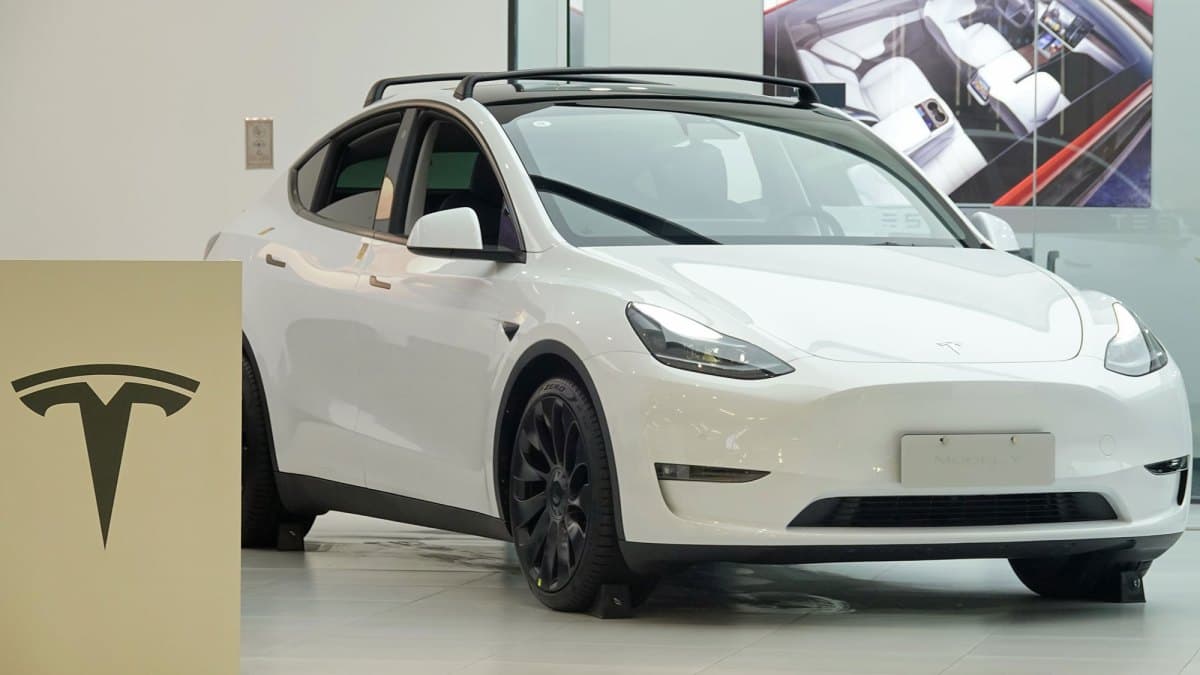
During Tesla’s Q1 2026 earnings call, Elon Musk revealed that around 4 million Tesla vehicles equipped with the older Hardware 3 (HW3) computer won’t get unsupervised Full Self-Driving. This is the fully autonomous driving feature Tesla has been promising for years.
This statement contradicts years of Tesla’s claims that owners were just a software update away from having a self-driving car. Now, these 4 million HW3 owners will need a hardware upgrade to achieve that goal. It’s still unclear what that upgrade will cost or if Tesla will provide it for free.
What Is Hardware 3, and Why Does It Matter?
HW3 acts as the brain in older Tesla vehicles. It’s the onboard computer chip that processes input from the car’s cameras and sensors, making driving decisions. Tesla began installing HW3 in vehicles from about 2019 until part of 2023, after which they switched to the more advanced Hardware 4 (HW4) platform.
Tesla’s Full Self-Driving package functions as a driver-assistance system. It manages steering, lane changes, and city navigation, but still needs human oversight. The company sold this package for up to $15,000, promising that cars would eventually drive themselves without human intervention.
Musk’s comments during the earnings call clarify that HW3 vehicles won’t meet that promise. The chip lacks the power to run unsupervised FSD, no matter how advanced the software gets.
How Many People Are Affected?
| By The Numbers | |
|---|---|
| Tesla vehicles on HW3 platform | ~4 million |
| Maximum price paid for FSD package | $15,000 |
| Years Tesla sold FSD with autonomous driving promises | ~6 years (2019–2025) |
| Hardware generation now required for unsupervised FSD | Hardware 4 (HW4) |
Four million vehicles represent a significant portion of Tesla’s overall fleet. Many of those owners paid a premium because they believed their cars were already ready for autonomous driving or would be soon.
The Legal Problem Tesla Now Faces
This admission opens Tesla up to potential legal issues. The company marketed FSD using language that suggested full autonomy would be available through over-the-air software updates, essentially free downloads like the ones your phone gets overnight.
If customers spent thousands of dollars based on that expectation and now find they need new hardware to get what was promised, it raises important consumer protection concerns. Class action lawyers will likely scrutinize those old marketing materials closely, as reported by TechCrunch.
Tesla has already faced regulatory scrutiny over its FSD and Autopilot names. The National Highway Traffic Safety Administration (NHTSA) — the U.S. agency responsible for vehicle safety standards — is looking into multiple incidents involving the system. This new development adds even more pressure.
What This Means for Everyday Tesla Owners
If you own a Tesla built before late 2023, here’s the reality: your car’s existing FSD features — automatic lane changes, city navigation, highway driving assistance — will likely keep improving through software updates. But the fully hands-off driving experience Musk has been predicting? That’ll need new hardware.
Tesla hasn’t shared details about an upgrade program, pricing, or timeline for making HW4 available to current owners. Until they do, HW3 owners find themselves in a waiting room with no estimated arrival time, as The Verge pointed out in its earnings call coverage.
For anyone looking to buy a used Tesla, this news is crucial. A used Model 3 or Model Y with FSD bought before the HW4 transition isn’t the same as a new one, even if the price reflects the FSD package cost.
What the Community Is Saying
“I paid $12,000 for FSD in 2021 because Elon said my car would drive itself. Now I need to buy new hardware? This is a bait and switch, full stop.”
— u/TeslaFSDVictim2021, r/teslamotors
“To be fair, anyone who followed the FSD development closely knew HW3 was going to be a bottleneck eventually. The problem is Tesla never said that out loud until now.”
— YouTube commenter on The Verge’s earnings call coverage
What To Watch
- HW3 upgrade program announcement: Tesla hasn’t confirmed whether it will provide free or discounted HW4 upgrades to existing FSD customers. An announcement here would be significant — keep an eye on Tesla’s next earnings call and their official communications.
- Legal action: Given the scope of this admission, class action lawsuits aimed at Tesla’s FSD marketing claims are likely in the near future. Previous FSD-related litigation may also see a revival.
- Regulatory response: NHTSA and possibly the FTC (Federal Trade Commission, which oversees advertising claims) may investigate whether Tesla’s years of FSD marketing crossed into deceptive territory.
- Robotaxi timeline: Musk has linked Tesla’s financial future closely to its autonomous robotaxi goals. If HW3 vehicles can’t join that network, the potential scale of that opportunity diminishes — something investors will be watching in future earnings reports.

Daniel Park
Daniel Park covers AI, cloud infrastructure, and enterprise software for Explosion.com. A former software engineer who transitioned to technology journalism 5 years ago, Daniel brings technical depth to his reporting on artificial intelligence, startup funding rounds, and the companies building the future of computing. He breaks down complex AI developments and business strategies into clear, actionable insights for readers who want to understand how technology is reshaping industries.