
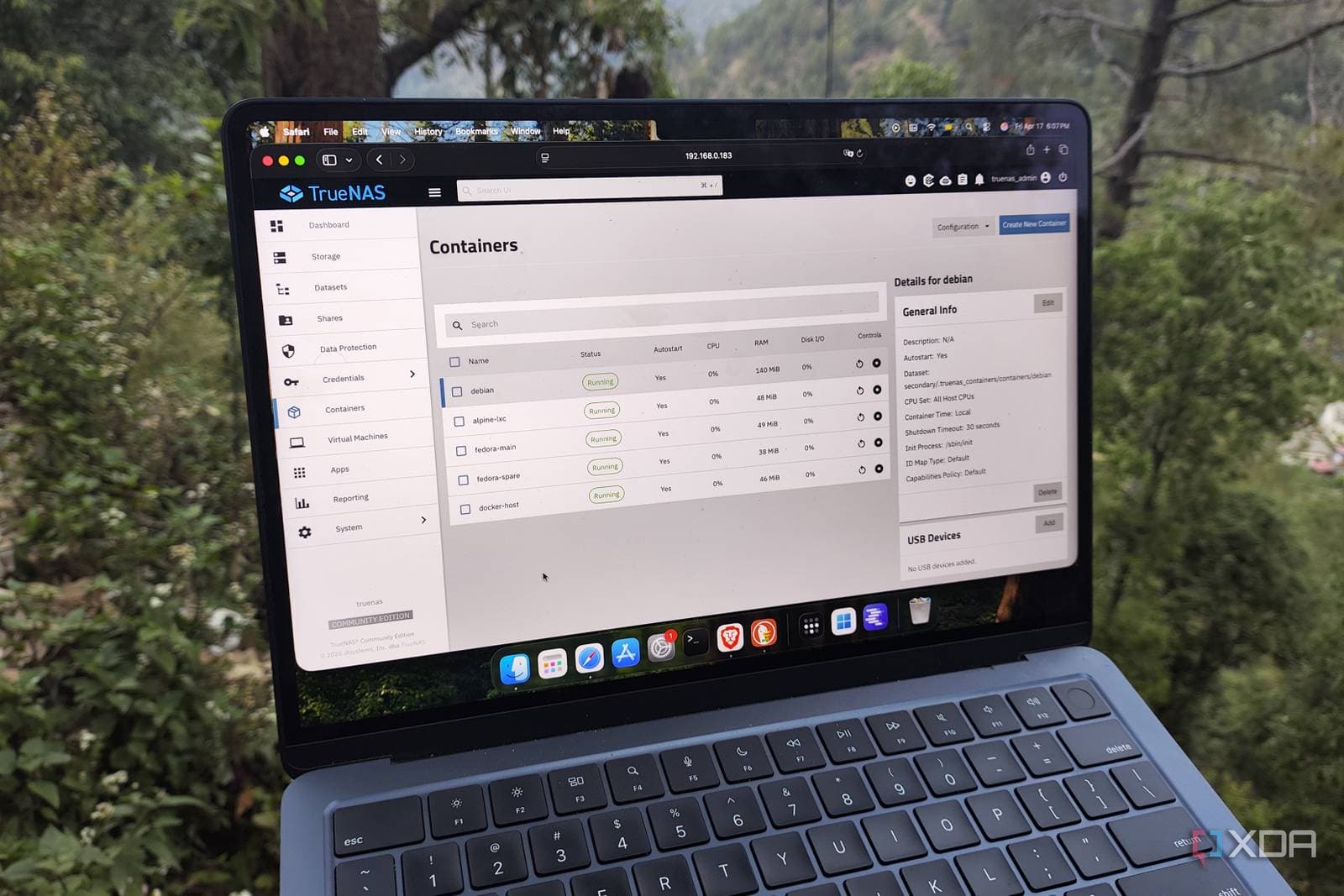
TrueNAS 26 has introduced enough virtualization and container features that it’s beginning to resemble Proxmox, a popular platform among homelab enthusiasts. These users often want to run multiple operating systems and services from a single machine, which is a big deal for anyone managing a home server.
What’s New in TrueNAS 26
TrueNAS has always focused on storage software. You install it on a device, and it takes care of your files, backups, and media libraries. Proxmox, on the other hand, acts as a hypervisor. This software allows one physical computer to run multiple virtual machines simultaneously. Most serious homelab builders rely on Proxmox to consolidate workloads.
While TrueNAS 26 doesn’t completely replace Proxmox, it’s definitely narrowing the gap. The latest version boosts its virtual machine management and container support. Now, users can run services like home automation platforms, media servers, and ad-blocking tools alongside their storage. They don’t need separate machines or operating systems to manage everything.
Think of it this way: Proxmox is a Swiss Army knife built to handle many tasks. TrueNAS has always been a solid knife, but just with one blade. Version 26 adds several more blades while keeping the original one intact.
Why Homelab Users Are Interested
The homelab community consists of people running server hardware at home for learning, privacy, or self-hosted services. They’ve debated whether to use TrueNAS for storage and Proxmox for computing or to choose one. Using both means more complexity and hardware. Sticking with only TrueNAS limits flexibility, while Proxmox requires extra effort to achieve reliable, ZFS-based storage. ZFS is known for its data integrity protection, similar to RAID but with better self-healing capabilities.
TrueNAS 26 makes the case for “just run one thing” even stronger. According to XDA Developers, the differences between the two platforms have shrunk, especially for users who aren’t running enterprise-level workloads.
Community Feedback
“I’ve been running TrueNAS + Proxmox on separate machines for two years. If TrueNAS can handle VMs reliably now, that’s one less box I need to keep running 24/7. My electric bill will thank me.”
“This is the update I didn’t know I was waiting for. TrueNAS for storage is already unbeatable. If the VM side is actually solid, there’s no reason to run two systems anymore.”
What This Means for Everyday Users
If you’re not running a homelab, this probably doesn’t impact you right now. But if you’ve ever wanted to set up a home server for storing photos, streaming media, or managing your smart home data without relying on someone else’s cloud, TrueNAS 26 makes it easier to get started.
In the past, achieving all of that on one machine took either technical know-how or two separate software solutions. Now, more can live in one place, using one interface on a single machine. This means less setup time, lower power costs, and fewer things that could go wrong.
For those already using TrueNAS SCALE (the Linux-based version of TrueNAS), upgrading to version 26 is designed to be simple. Still, as with any major update, it’s smart to back up your data first.
| Metric | Detail |
|---|---|
| Current version | TrueNAS 26 (SCALE) |
| Primary use case | Network-attached storage with VM/container support |
| Cost | Free (open source), Enterprise tier available |
| Underlying file system | ZFS (self-healing, snapshot-capable) |
| Main competitor | Proxmox VE (virtualization-first approach) |
| Developer | iXsystems |
The Bigger Picture
TrueNAS 26 comes at a time when many people are reevaluating how much of their digital lives they turn over to third-party cloud services. With rising subscription costs and growing privacy concerns, the self-hosted movement is gaining traction.
The homelab community has expanded beyond just enthusiasts. It now includes privacy-minded families, small business owners, and remote workers who want to maintain control over their own data. Platforms like TrueNAS and Proxmox are becoming easier to use, partly due to this expanding audience and partly because hardware has become more affordable.
TrueNAS isn’t claiming to replace Proxmox entirely. For users operating numerous virtual machines or complex networking setups, Proxmox still offers clear advantages. But for someone seeking reliable storage and a few home services from a single box in a closet, the gap is closing quickly.
What To Watch
- Community feedback on VM stability: The main question is whether TrueNAS 26’s virtual machine performance holds up during real-world homelab use. Expect detailed community benchmarks and long-term reviews in the coming months.
- iXsystems roadmap updates: The company hasn’t indicated a full shift towards hypervisor features. However, ongoing investment in this area could make TrueNAS 27 an even more direct competitor to Proxmox.
- Proxmox’s response: Proxmox has been enhancing its own storage integration. Whether it closes the ZFS usability gap before TrueNAS closes the VM gap will influence which platform homelab builders prefer in 2027.
- Hardware availability: As mentioned in recent reporting on the RAM shortage, memory costs are a crucial factor for anyone building or upgrading a home server right now, since both TrueNAS and Proxmox work best with ample RAM.

Daniel Park
Daniel Park covers AI, cloud infrastructure, and enterprise software for Explosion.com. A former software engineer who transitioned to technology journalism 5 years ago, Daniel brings technical depth to his reporting on artificial intelligence, startup funding rounds, and the companies building the future of computing. He breaks down complex AI developments and business strategies into clear, actionable insights for readers who want to understand how technology is reshaping industries.