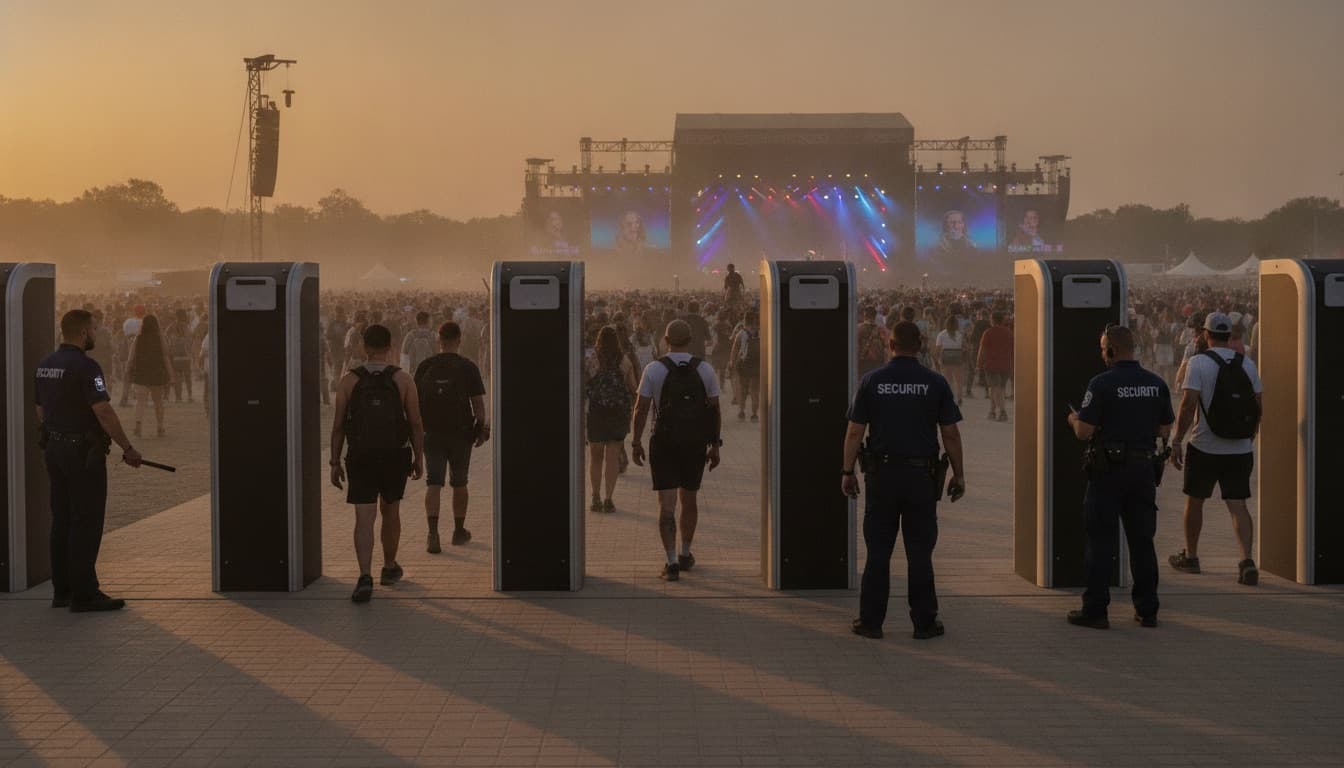
A humanoid robot, designed to move like a human, completed a half-marathon in Beijing faster than any human ever has. It finished the 13.1-mile race in 50 minutes and 26 seconds, breaking the human world record by a full 7 minutes.
This robot, created by the Chinese tech company Honor, ran the race autonomously. It didn’t rely on a remote operator to guide it. This distinction is important because it wasn’t just a remote-controlled machine; it made its own decisions in real time to keep moving forward.
What Actually Happened
The race occurred in Beijing as part of an event featuring both human runners and robots. Honor’s humanoid robot didn’t just finish—it dominated. The current human half-marathon world record is around 57 minutes, set by top athletes at the peak of human endurance. The robot surpassed that by more than seven minutes.
To put it in perspective: if the robot and the fastest human half-marathoner started simultaneously, the robot would have crossed the finish line, caught its breath (figuratively), and been waiting for almost as long as a sitcom episode before the human arrived.
This event showcases how rapidly China is advancing in humanoid robotics. While American robotics focuses on companies like Boston Dynamics and Tesla’s Optimus project, Chinese firms have quietly achieved impressive real-world performance milestones.
Why a Running Robot Is Harder Than It Sounds
Walking is already a tricky engineering challenge for robots, but running is exponentially harder. When a human runs, there are moments when both feet are off the ground. The machine has to manage balance, momentum, and impact forces all at once—thousands of times over a 13-mile course.
Keeping that coordination for over 50 minutes without falling, overheating, or running out of battery is a significant endurance challenge. Even the most advanced humanoid robots have struggled with this in lab settings. Achieving it in an open-air race, with varied terrain and real-world conditions, makes this accomplishment even more impressive.
| Metric | Figure |
|---|---|
| Robot finish time | 50 minutes, 26 seconds |
| Human half-marathon world record | ~57 minutes |
| Margin of victory over human record | ~7 minutes |
| Race distance | 13.1 miles (21.1 km) |
| Robot manufacturer | Honor (China) |
| Operation mode | Fully autonomous |
What This Means
For most people, a robot winning a road race might seem like a novelty. But the capabilities being showcased here have serious implications beyond just athletic competition.
A robot that can maintain coordinated, autonomous movement for nearly an hour across real-world terrain is closer to being useful in practical applications. Think about warehouse logistics, disaster response, or physically demanding jobs that can be dangerous for humans. Endurance and reliability in real conditions are what bridge the gap between a lab robot and one that can operate in the real world.
This result also shows that China’s robotics industry isn’t just catching up to Western companies—it’s actually setting the pace in some areas. Expect this milestone to drive further investment and competition in humanoid robotics, especially regarding physical performance benchmarks.
What People Are Saying
“I genuinely didn’t expect this to happen for another 5 years. The fact that it’s fully autonomous is the part that gets me. Anyone can build a fast RC car. This is different.”
— u/QuantumLeapFrog, Reddit r/technology
“Okay but can it do it in the rain, on hills, with 20,000 other runners bumping into it? That’s the real test.”
— YouTube comment on Ars Technica’s coverage, user @MechanicalSkeptic
Further Reading
- A Humanoid Robot Set a Half-Marathon Record in China — Wired
- Robot runner handily beats humans in half-marathon, setting new record — Ars Technica
What To Watch
- Follow-up races: Whether Honor or other Chinese robotics firms enter their machines in more public races will show how confident they are in real-world reliability.
- Western response: Boston Dynamics, Tesla, and Figure AI have all been developing humanoid platforms. Expect this record to push them toward their own public performance demonstrations.
- The full marathon question: A half-marathon is 13.1 miles. The next logical benchmark is whether any humanoid robot can maintain performance across a full 26.2-mile marathon, which would require double the battery life, endurance, and mechanical stress.
- Regulation conversations: As robots enter public spaces and compete alongside humans, expect early discussions about safety standards and event rules for autonomous machines.

Daniel Park
Daniel Park covers AI, cloud infrastructure, and enterprise software for Explosion.com. A former software engineer who transitioned to technology journalism 5 years ago, Daniel brings technical depth to his reporting on artificial intelligence, startup funding rounds, and the companies building the future of computing. He breaks down complex AI developments and business strategies into clear, actionable insights for readers who want to understand how technology is reshaping industries.