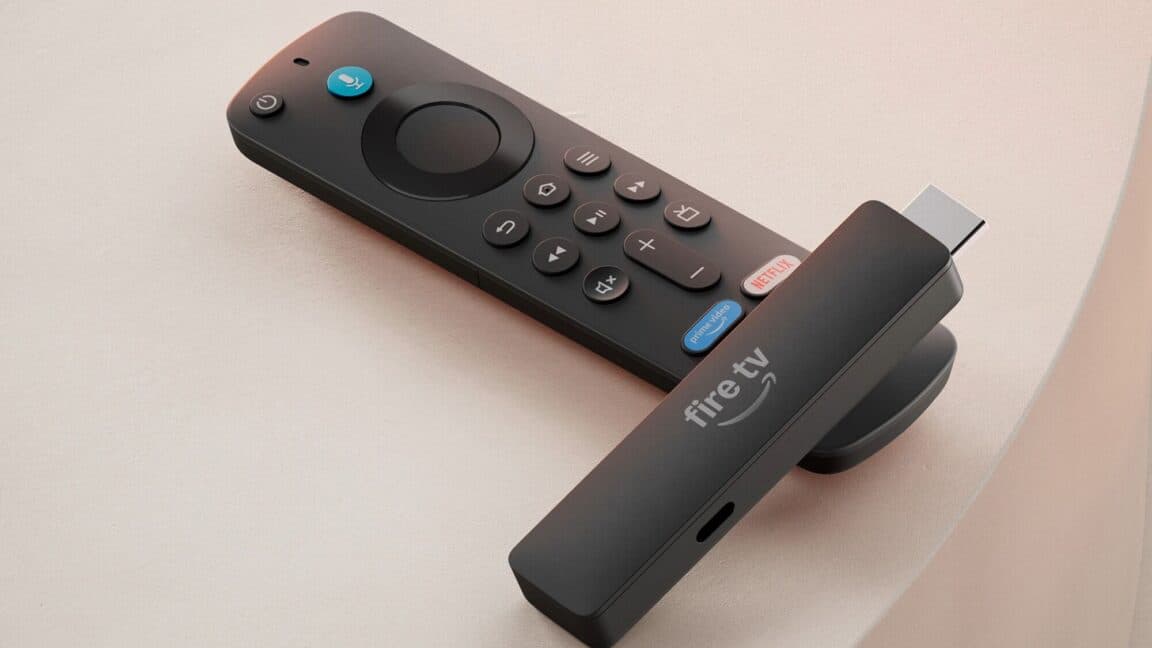
Amazon has announced that all future Fire TV Sticks will operate on its own Vega OS, moving away from Android. This change also means users won’t be able to sideload apps (install apps from outside Amazon’s official store) on these devices.
| Amazon — Company Snapshot | |
|---|---|
| Ticker | AMZN |
| Stock Price | $249.91 (+0.66%) |
| CEO | Andy Jassy |
| Headquarters | Seattle, WA |
| Founded | 1994 |
| Sector | Big Tech |
What Changed and Why It Matters
The latest Fire TV Stick is the second device to feature Vega OS, Amazon’s new operating system designed to replace Android. According to 9to5Google, Amazon confirmed that all future Fire TV Sticks will follow this new direction, meaning they’re phasing out Android completely.
The practical impact is clear: the two newest Fire Sticks completely block sideloading. Sideloading involves installing apps not available in Amazon’s official app store — similar to downloading software directly to a Windows PC rather than using the Microsoft Store. Many users relied on this feature to install apps that Amazon doesn’t carry, including some streaming services, alternative media players, and apps restricted to other regions.
As Ars Technica reports, Amazon has decided not to release any more Fire Sticks that allow sideloading. This isn’t a soft stance; it’s a firm decision.
Why Amazon Is Making This Move
When Fire TV launched, using Android gave Amazon a solid software base. However, Android’s open nature allowed users to bypass Amazon’s store, which decreased the company’s control over the apps running on its devices. This also limited its ability to collect data and generate revenue through its ecosystem.
With Vega OS, Amazon now has complete control over the user experience. Just like Apple controls the iPhone, Amazon decides what its devices can do. Now, they set the rules for their hardware, plain and simple.
There’s a business strategy behind this as well. Amazon sells Fire TV devices at a loss to get them into homes, making money through Prime subscriptions, ad-supported content, and app store commissions. Tightening control over the platform strengthens that revenue flow.
What This Means for Everyday Users
If you currently own an older Fire TV Stick running Android, you’re in the clear for now. Those devices will continue working as they do, and sideloading remains an option.
However, if you purchase a new Fire TV Stick, expect a more restricted experience. You won’t be able to install apps that aren’t in Amazon’s store. This means you’ll miss out on popular sideloaded apps like certain Kodi builds (a free, open-source media player), regional streaming apps unavailable in your country, and alternatives to Amazon’s default browser or media apps.
For casual users who rely on services like Netflix, Disney+, and Prime Video, this change won’t matter much. Those apps are already available in Amazon’s store. But power users who enjoyed customizing their Fire Sticks with third-party software will feel the impact.
Community Reaction
“Sideloading was literally the only reason I bought a Fire Stick over a Roku. Guess I’m switching to an Nvidia Shield.”
— u/StreamingNerd42, Reddit
“Most people have no idea what sideloading even is. Amazon knows exactly who their audience is and this makes total sense for them.”
— YouTube commenter on 9to5Google’s coverage
What To Watch
- Existing Android-based Fire Sticks: Keep an eye on whether Amazon continues to roll out software updates for older Android models or lets them fade away. An announcement about ending support would signal the full transition timeline.
- Vega OS app library growth: The key question is whether Amazon can expand its app store quickly enough to cover the gap left by sideloading. If major apps remain absent from Vega OS, user frustration will rise fast.
- Competitor response: Roku, Google (Chromecast with Google TV), and Nvidia Shield all support broader app ecosystems. If Fire TV’s restrictions drive users to those platforms, Amazon may have to respond by easing restrictions or competing harder on price.
- Developer reaction: App developers who previously relied on sideloading to reach Fire TV users will need to use Amazon’s official submission process. Watch for whether Amazon streamlines that process to avoid losing apps altogether.

Ava Mitchell
Ava Mitchell is a digital culture journalist at Explosion.com covering social media platforms, streaming services, and the creator economy. With 4 years reporting on TikTok, Instagram, YouTube, and the apps that shape daily life, Ava specializes in explaining platform policy changes and their impact on everyday users. She previously managed social media strategy for a tech startup, giving her firsthand experience with the platforms she now covers.