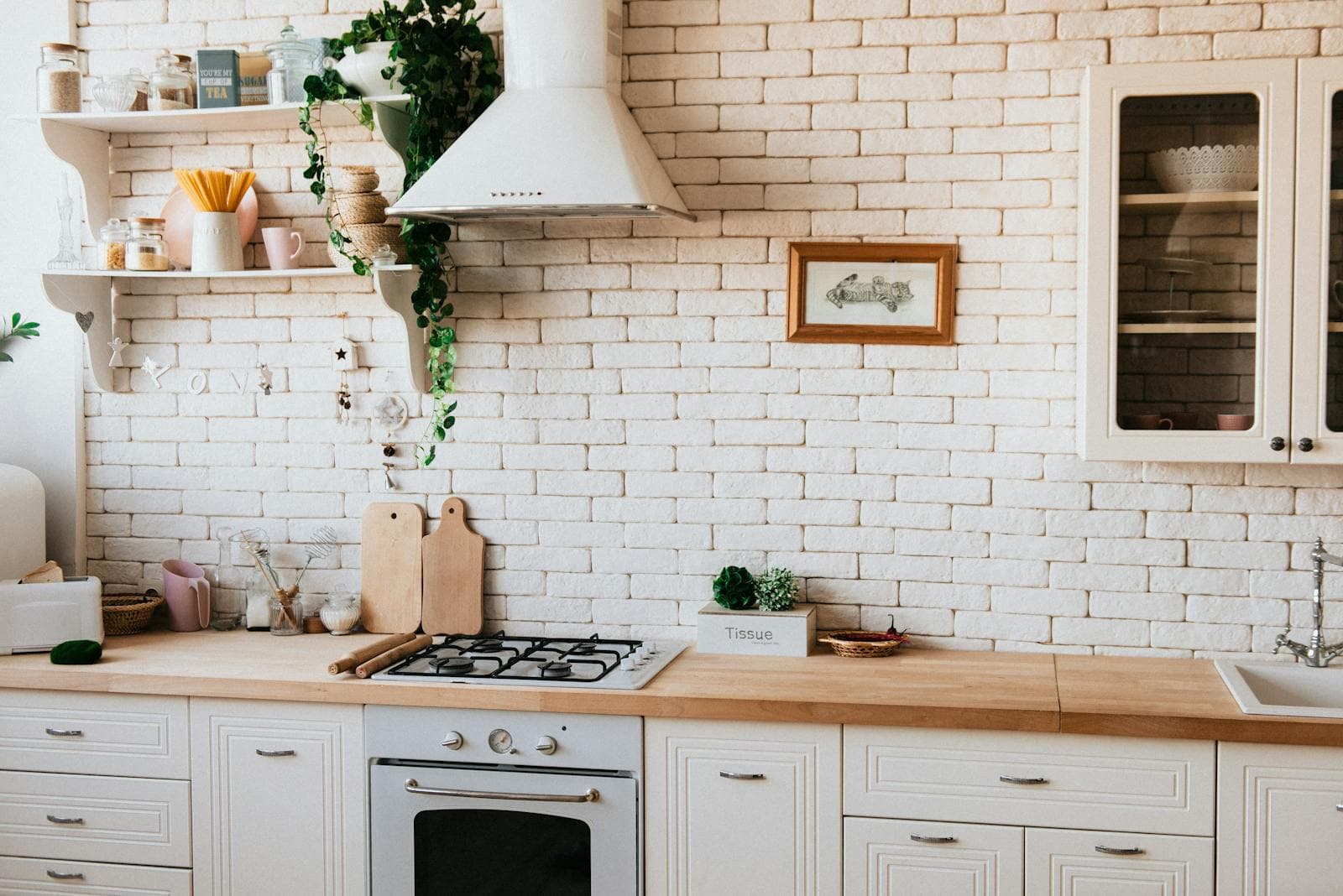
A stove can quietly shape how you cook, how often you cook, and even what ends up on your plate. It is one of those decisions that feels simple until you realize how many options are sitting in front of you. Gas, electric, induction, dual fuel, each one comes with its own personality, and some will fit your home far better than others. The goal is not to chase trends or pick what looks impressive in a showroom. It is about how you actually live, how you cook on a busy Tuesday night, and how much control you want when things get a little more ambitious.
Gas Vs Electric Basics
Gas stoves tend to appeal to people who like a hands-on feel. You can see the flame, adjust it instantly, and there is something satisfying about that level of control. It feels responsive, almost like the stove is reacting in real time to what you are doing. That said, gas requires proper ventilation and a gas line, which is not always practical depending on your home.
Electric stoves lean toward consistency. They heat more evenly and are generally easier to clean, especially the smooth-top versions that have become more common. They can take a little longer to respond when you adjust the temperature, which can frustrate someone used to gas. Still, for many households, electric tops are reliable, accessible, and more than capable of handling everyday cooking without a learning curve.
Understanding Your Cooking Habits
Before you get into features and finishes, it helps to take an honest look at how you cook. Someone who reheats leftovers and makes simple meals a few times a week does not need the same setup as someone who spends weekends testing recipes or hosting dinners. This is where finding your cooking style becomes less of a buzz phrase and more of a practical step.
If you like quick, straightforward meals, you might appreciate something that heats evenly and requires very little babysitting. If you enjoy experimenting, you may want precise control and flexibility. Even things like how often you boil water, sauté vegetables, or cook multiple dishes at once can influence what type of stove will actually feel comfortable day to day. The best stove is not the one that looks impressive, it is the one that makes your routine easier without forcing you to adjust your habits around it.
Electric Stove Advantages
Electric stoves have come a long way from the coil burners many people grew up with. Modern versions offer smooth glass tops, consistent heat, and a cleaner overall look that fits well in most kitchens. They are often easier to install and do not require the same level of infrastructure as gas, which makes them a practical option for many homes.
There is also a strong case to be made that a standard electric cooktop stove is the best fit for households that want reliability without complication. It does not ask much from you. You turn it on, set your temperature, and it does what it is supposed to do. For families or anyone who prefers low maintenance appliances, that simplicity matters more than people expect.
Another advantage is safety. There is no open flame, which can be reassuring in homes with children or pets. While the surface stays hot after cooking, many models include indicators that make it clear when it is still warm. It is not perfect, but it is predictable, and that counts for a lot.
Induction And Modern Options
Induction stoves are often grouped in with electric, but they operate differently. Instead of heating the surface and transferring that heat to your cookware, induction uses magnetic energy to heat the pan directly. That means faster cooking times and more precise temperature control.
They are also surprisingly efficient. The cooktop itself stays relatively cool, which makes cleaning easier and reduces the chance of lingering heat in the kitchen. The tradeoff is that you need compatible cookware, and the upfront cost can be higher than traditional electric or gas.
Still, for people who want a modern setup that responds quickly and keeps things tidy, induction can feel like a noticeable upgrade. It sits somewhere between the responsiveness of gas and the clean simplicity of electric, which is why it has gained traction in newer kitchen designs.
Matching Your Kitchen Layout
Your kitchen itself plays a bigger role than most people expect. Space, ventilation, and existing hookups can limit or guide your options before you even start comparing features. A smaller kitchen might benefit from a sleek electric or induction cooktop that keeps the area feeling open. A larger space with proper ventilation might handle gas without any issue.
There is also the visual side. Some people want a statement piece, while others prefer something that blends in. Stainless steel ranges, matte finishes, and minimal glass tops all create a different feel. The key is making sure the stove works with your layout rather than forcing the layout to work around the stove.
It is also worth thinking about how often you use your oven, since many ranges combine both. If baking is part of your routine, you may lean toward a setup that offers more consistent oven temperatures, which can vary slightly depending on the fuel type.
Keeping It Practical
It is easy to get pulled into features that sound impressive but do not actually matter for your day-to-day life. Extra burners, smart controls, and specialty settings can be helpful, but only if you use them. Otherwise, they tend to sit untouched while you rely on the same two burners you always use.
Maintenance matters just as much as performance. Smooth surfaces are easier to wipe down, while grates and burners require more attention. Think about how much time you realistically want to spend cleaning, because that small detail can make a big difference over time.
Budget plays a role too, but it is not just about the upfront cost. Installation, energy use, and long-term maintenance all factor in. Sometimes the most straightforward option ends up being the most cost-effective, even if it is not the flashiest one on the floor.
The Takeaway
Choosing a stove is less about picking the best model on paper and more about choosing what fits your life without friction. Gas offers control, electric offers consistency, and induction brings a more modern balance of both. The right answer depends on how you cook, how your kitchen is set up, and how much effort you want to put into upkeep.
The best stove is the one that fades into the background and lets you cook the way you already like to cook. When it feels natural to use, you will notice the difference every single day.

Nick Guli
Nick Guli is the founder and editor-in-chief of Explosion.com, which he launched in February 2012. With over a decade of experience in digital publishing, Nick oversees editorial direction across entertainment, gaming, technology, and lifestyle content. He is an avid gamer and movie enthusiast who brings a critical eye to coverage of industry trends, game reviews, and entertainment news.