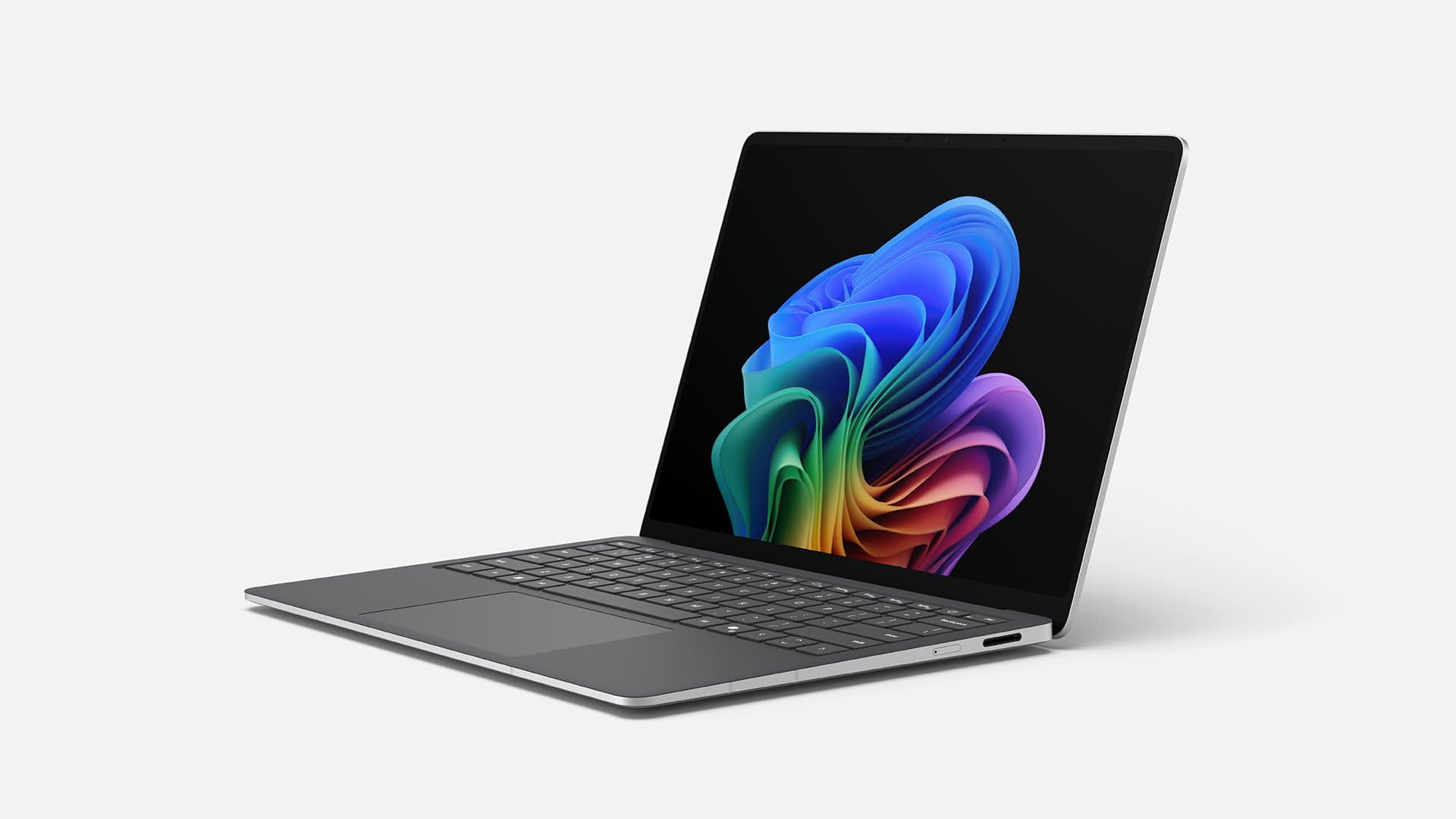
Microsoft has raised prices across its entire Surface PC lineup. Some models now cost hundreds more than their Mac counterparts. This marks a big shift from the usual belief that Windows machines provide better value than Apple hardware.
| Microsoft — Company Snapshot | |
|---|---|
| Ticker | MSFT |
| Stock Price | $420.26 (+2.20%) |
| CEO | Satya Nadella |
| Headquarters | Redmond, WA |
| Founded | 1975 |
| Sector | Big Tech |
What Changed, and Why
This week, Microsoft confirmed the price hikes, pointing to soaring RAM (Random Access Memory) costs as the main reason. RAM prices have spiked across the industry, leading Microsoft to pass these increased costs onto consumers.
These aren’t small increases. Most Surface models are now priced several hundred dollars higher than when they launched. This change has pushed the Surface Pro and Surface Laptop into a price range that was once Apple’s exclusive territory — premium prices for premium hardware.
Simply put, a product category that used to compete with MacBooks on price now often costs more than the Mac it was compared to.
How the Prices Stack Up Against Macs
The contrast with Apple hardware is striking. MacBooks have long been seen as “expensive but worth it,” with the MacBook Air starting at $1,099. With the new Surface pricing, comparable Surface Laptop configurations often exceed that price — sometimes by a significant margin.
Apple hasn’t raised MacBook prices despite the same RAM market pressures. This gives Apple a rare temporary pricing advantage in the premium Windows-versus-Mac debate. Apple designs its own chips (the M-series processors) and integrates memory directly into them. This strategy protects Apple from the typical RAM market fluctuations that affect vendors using third-party components.
The RAM Crisis Explained
Think of the global RAM market like a gas station during a shortage. When supply tightens, prices rise, and manufacturers who don’t control their own supply chains get hit hardest. Microsoft, unlike Apple, depends on third-party RAM suppliers for its Surface devices. So, when those suppliers increase prices, Microsoft’s manufacturing costs go up too.
The rise in RAM prices is part of a wider memory market cycle that has been squeezing PC makers everywhere. Microsoft chose to pass these costs onto buyers instead of absorbing them, but it’s a decision the company made intentionally.
What This Means
If you’re in the market for a new laptop and considering a Surface, this changes your calculations. A Surface Laptop or Surface Pro that might have been $200 cheaper than a comparable MacBook Air a year ago could now cost you $100 to $300 more, depending on the configuration.
For everyday users, the old adage — “Windows laptops are cheaper than Macs” — now needs an asterisk, especially for the Surface line. Other budget and mid-range Windows laptops from brands like Dell, HP, and Lenovo haven’t all followed Microsoft’s lead, making the Surface an outlier in the Windows ecosystem.
If you already own a Surface, nothing changes for you. But if you’re looking to upgrade, it’s smart to compare prices with a MacBook Air or MacBook Pro before deciding that a Surface is the more budget-friendly option.
Community Reaction
“Microsoft really just handed Apple the ‘better value’ argument on a silver platter. Wild times.”
— u/ThinkpadForever, Reddit
“The RAM excuse is real but it doesn’t explain why Apple isn’t doing the same thing. This is a choice.”
— YouTube comment on Engadget’s coverage
What To Watch
- Other PC makers: Keep an eye on whether Dell, HP, and Lenovo follow Microsoft’s lead with their own premium Windows laptops in the coming weeks. If they do, the entire Windows premium segment will become pricier.
- Apple’s next move: Apple’s WWDC developer conference is expected in June 2026, where new Mac hardware is often announced. Whether Apple maintains its pricing strategy will be crucial for consumers.
- RAM market trends: Analyst forecasts suggest memory prices could stabilize by late 2026, which might bring Surface prices down again — though Microsoft hasn’t committed to reversing these hikes.
- Microsoft’s Surface refresh cycle: New Surface hardware generations usually get announced in the fall. Pricing for next-gen models will indicate if this is a temporary adjustment or a permanent shift for the Surface brand.

Maya Torres
Maya Torres is the Consumer Tech Editor at Explosion.com with 7 years covering product launches for major technology publications. She has reviewed over 300 devices across smartphones, laptops, wearables, and smart home products. Maya specializes in translating spec sheets into real-world buying advice and attends CES, MWC, and Apple keynotes as press. Her reviews focus on helping readers decide what to buy, not just what specs look good on paper.