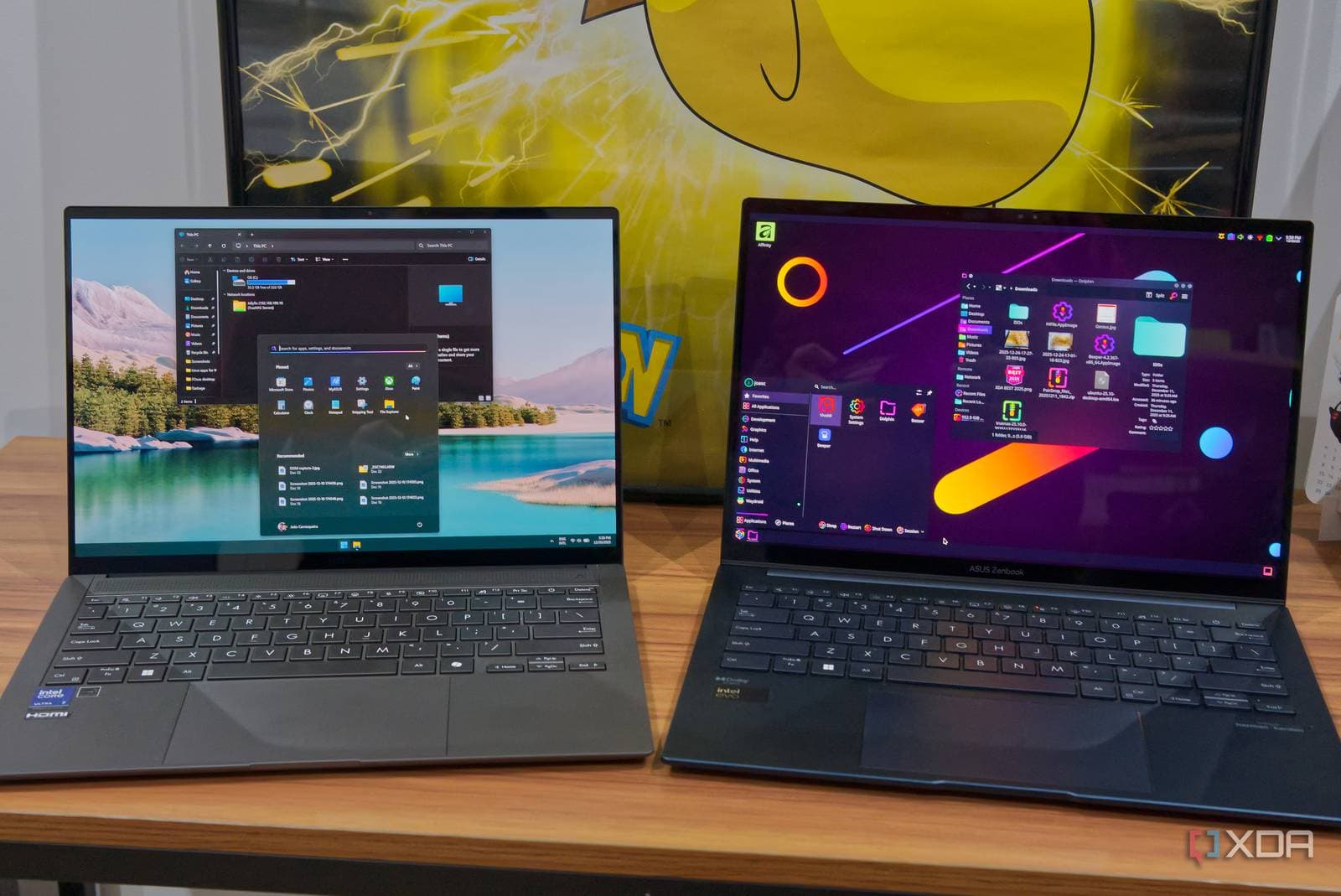
The French government has officially decided to abandon Microsoft Windows and switch to Linux. They see their reliance on US-based software as a “strategic risk” to national security and sovereignty.
This week, France’s DINUM (Interministerial Digital Directorate), which manages digital infrastructure across French ministries, released a statement confirming the change. They described it as an “exit from Windows in favor of workstations running on the Linux operating system.” Ministries must find and implement a viable solution by fall 2025.
Why France Is Making the Switch
The main reason isn’t cost or features; it’s about control. French officials have pointed out that depending on American technology companies creates a vulnerability. Geopolitical tensions and changes in US foreign policy have heightened concerns for European governments about relying on software they can’t fully control.
Think of it this way: renting an apartment is different from owning a home. Currently, France runs critical government functions on software owned by a foreign company. That company can change pricing, terms, or access policies at any time. By moving to Linux, an open-source platform (meaning its code is publicly accessible and not owned by any single entity), France gains a system it can audit, modify, and maintain on its own.
This isn’t the first time France has pursued this direction. The country has been advocating for “digital sovereignty” for years. This announcement marks a significant acceleration in those efforts, especially with rising tensions between the US and Europe adding urgency to the situation.
What Is Linux, Exactly?
Linux is an operating system, like Windows or macOS, that’s free and open-source. It powers a large part of the internet’s servers, Android smartphones, and an increasing number of desktop computers. Countries like Germany and Italy have tried migrating to Linux before, but with mixed outcomes.
The challenge is that most office workers are accustomed to Windows, so switching operating systems isn’t as simple as just installing new software. Applications need to be replaced or relearned. IT support systems must be rebuilt, and staff will require retraining.
What About the Rest of the Software Stack?
Transitioning away from Windows is just one part of a larger strategy. France’s broader push for digital sovereignty also targets US-based productivity tools like Microsoft 365 and Google Workspace. They plan to incorporate open-source alternatives like LibreOffice (a free substitute for Microsoft Word, Excel, and PowerPoint) and self-hosted cloud storage solutions.
The fall 2025 deadline for ministries to find solutions shows they’re treating this as an urgent policy rather than a long-term research project.
| Detail | Figure |
|---|---|
| Deadline for ministries to find a Linux solution | Fall 2025 |
| Body overseeing the transition | DINUM (Interministerial Digital Directorate) |
| Linux global desktop market share | ~4% (StatCounter, 2024) |
| EU countries previously attempting Linux migrations | Germany, Italy, and others |
This Has Been Tried Before
France isn’t the first government to attempt this. Munich, Germany, migrated thousands of computers to Linux starting in 2004, but reversed that decision in 2017 due to compatibility issues. They switched back to Linux in 2020. This pattern shows that large-scale migrations can be tough, even when there’s political will.
What’s different now is the motivation behind the switch. Past migrations were mainly cost-driven. This time, it’s framed as a security and sovereignty issue at the national level, which typically leads to stronger political commitment.
What This Means for Everyday Users
If you’re not a French government employee, this change won’t directly impact your daily life. However, it could have broader implications worth keeping an eye on.
First, this indicates that government adoption of Linux is picking up pace globally. This trend might push developers to create more Linux-compatible tools. Second, it may encourage other European governments facing similar sovereignty concerns to consider their own migrations. Lastly, it’s a significant blow to Microsoft, especially as they work hard to retain government contracts for cloud-based Windows and Microsoft 365 subscriptions.
For French government employees, the transition will likely involve a learning curve. Linux desktops have improved a lot over the past decade, but switching from a familiar system always presents challenges.
Community Reaction
“As someone who switched to Linux full-time two years ago, I can say the experience is genuinely solid now. The real challenge is organizational inertia and the fact that some specialized software just doesn’t have good Linux equivalents yet.”
“Every few years a government announces they’re switching to Linux. Let’s check back in 2027 and see if it actually happened.”
What To Watch
- Fall 2025: The deadline for French ministries to present their Linux migration plans. Whether they meet this deadline and what solutions they choose will indicate how serious this commitment is.
- Which Linux distribution France picks: Several European governments have backed “La Suite Numérique,” a French open-source productivity platform. Keep an eye on whether DINUM standardizes on a specific Linux version like Ubuntu or creates its own.
- Other EU governments: Germany and other member states are watching closely. A successful rollout in France could trigger similar announcements across Europe.
- Microsoft’s response: The company has a history of offering significant discounts to keep government clients. Whether Microsoft makes a competitive counter-offer could affect the speed of this transition.
Sources

Daniel Park
Daniel Park covers AI, cloud infrastructure, and enterprise software for Explosion.com. A former software engineer who transitioned to technology journalism 5 years ago, Daniel brings technical depth to his reporting on artificial intelligence, startup funding rounds, and the companies building the future of computing. He breaks down complex AI developments and business strategies into clear, actionable insights for readers who want to understand how technology is reshaping industries.