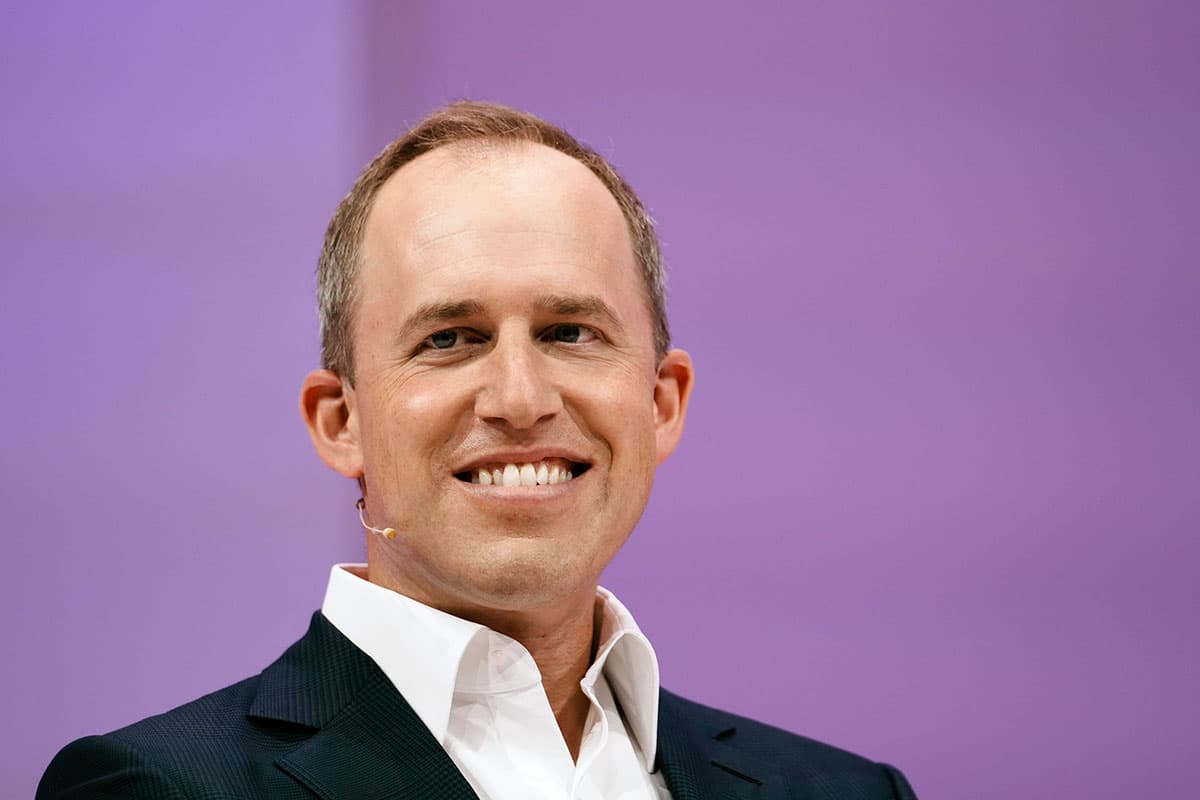
Bret Taylor, co-founder of AI startup Sierra and former co-CEO of Salesforce, has a bold prediction: the days of clicking through menus, filling out forms, and navigating software interfaces are coming to an end. His company recently launched a tool called Ghostwriter, which aims to replace traditional apps entirely.
What Sierra Is Actually Building
Last month, Sierra introduced Ghostwriter, an AI agent designed to create other agents. Think of an agent as software that can perform tasks for you, not just answer questions. Instead of opening an app and clicking through multiple screens, you simply describe what you want in plain language. Ghostwriter then designs and deploys a specialized agent to take care of the task.
Imagine having an assistant who doesn’t require you to fill out forms. You could say, “book me a flight to Chicago next Tuesday under $300,” and the agent would handle everything else. No more logging into travel sites, filtering prices, selecting seats, and entering payment details step by step.
Taylor argues that this natural language interaction makes traditional app interfaces outdated. Why bother designing a system of buttons and menus if users can just explain their needs?
The Bigger Vision: Agents Building Agents
Ghostwriter stands out from standard AI chatbots due to its “agent as a service” model. Instead of one general-purpose AI trying to do everything, Ghostwriter creates purpose-built agents tailored for specific tasks. Need to process customer refunds? Ghostwriter builds an agent for that. Need to schedule and confirm vendor deliveries? Another agent, created on demand.
This concept is sometimes called agent orchestration, where a master system coordinates a network of specialized sub-agents. It’s like how a large company has various departments handling specific tasks, but everything runs automatically and responds to plain-English instructions.
Sierra markets this as enterprise software (designed for businesses rather than individual consumers), but the effects could reach everyday users. If companies you interact with—like your bank, insurance provider, or airline—replace their apps and websites with agent-based systems, your entire online experience could transform.
| Detail | Data |
|---|---|
| Company Founded | 2023 |
| Co-Founders | Bret Taylor, Clay Bavor |
| Bret Taylor’s Previous Roles | Co-CEO of Salesforce, Chairman of Twitter’s board, CTO of Facebook |
| Latest Product | Ghostwriter (launched March 2026) |
| Ghostwriter’s Function | AI agent that builds and deploys other AI agents |
Why This Argument Is Gaining Traction
Taylor isn’t alone in this belief. More AI companies are betting that conversational interfaces will replace traditional software design. Most software interfaces exist to make computers usable for people who don’t speak code. If AI can bridge that gap directly, then the interface becomes unnecessary.
There’s also a practical side. Building and maintaining traditional apps costs a lot. If a business can roll out an agent that handles customer interactions without going through a full app development cycle, they can save significant money. That economic pressure might speed up adoption faster than any philosophical arguments about the future of software.
What This Means for Everyday Users
If Sierra’s vision comes to life, the websites and apps you use today could start disappearing. They might be replaced by chat-style interfaces or invisible agents working in the background. Your banking app might transform into a conversation. You could file an insurance claim by simply describing the situation to an AI, instead of uploading documents through a form.
The benefits? Fewer frustrating interfaces, less time spent clicking through multi-step processes, and services that adapt to your actual needs instead of forcing you into their menu structure.
However, this shift raises important questions about transparency and control. When an agent acts on your behalf autonomously, understanding what it did and why can get tricky. Errors might be harder to spot compared to a form that clearly rejects your input.
Plus, what happens to users who aren’t comfortable with conversational AI or those with accessibility needs that current agent interfaces don’t adequately address?
Community Reaction
“I’ve been saying this for two years. The app store model makes zero sense once agents can just do the thing. Why open DoorDash when you can say ‘order me dinner’ and it handles the whole flow?”
u/DistributedSystems_nerd, Reddit r/artificial
“Cool vision until the agent accidentally cancels your subscription, charges your card twice, and there’s no undo button. At least with a UI I can see what I’m about to click.”
YouTube comment on TechCrunch’s coverage, @MarcelloPavia_dev
What To Watch
- Ghostwriter adoption reports: Sierra launched Ghostwriter in March 2026, so look for early enterprise customer results in Q2 2026. Keep an eye out for case studies or usage numbers from Sierra’s clients.
- Competing launches: Salesforce, Microsoft, and Google all have their own agent platforms. Any announcements at major developer conferences this spring could indicate how seriously the industry is moving in this direction.
- Regulatory attention: As AI agents gain the ability to take real-world actions on users’ behalf, including purchases and filing documents, regulators will likely start asking questions about liability and consent frameworks.
- Consumer-facing rollouts: Sierra’s current focus is enterprise, but watch for announcements about consumer-facing partnerships that could bring this technology to mainstream app users.
Sources: TechCrunch: Sierra’s Bret Taylor says the era of clicking buttons is over

Ava Mitchell
Ava Mitchell is a digital culture journalist at Explosion.com covering social media platforms, streaming services, and the creator economy. With 4 years reporting on TikTok, Instagram, YouTube, and the apps that shape daily life, Ava specializes in explaining platform policy changes and their impact on everyday users. She previously managed social media strategy for a tech startup, giving her firsthand experience with the platforms she now covers.