The crew of NASA’s Artemis II has offered an amazing glimpse inside the Orion spacecraft they called home during their 10-day mission to the moon and back. This unique look reveals how four astronauts sleep, exercise, and yes, use the bathroom while traveling nearly a quarter-million miles from Earth.
Life Inside a Very Small Capsule
The Orion spacecraft, NASA’s vehicle for carrying astronauts beyond low-Earth orbit for the first time since Apollo, isn’t exactly a luxury hotel. The capsule accommodates four crew members in a space similar to a large SUV interior. This behind-the-scenes tour highlights just how tight that space really is.
The crew showcased the essentials of daily life at lunar distances. They sleep in reclined seats secured with restraints to prevent floating around the cabin during rest. Workouts consist of makeshift sessions using resistance bands anchored to the walls since there’s no room for traditional gym equipment. The bathroom setup relies on well-engineered waste collection systems that handle everything through suction and sealed containers.
Imagine it like camping in a highly engineered tent, but this tent is zooming through space at thousands of miles per hour with the far side of the moon as the backdrop.
Those Moon Images Are Stunning
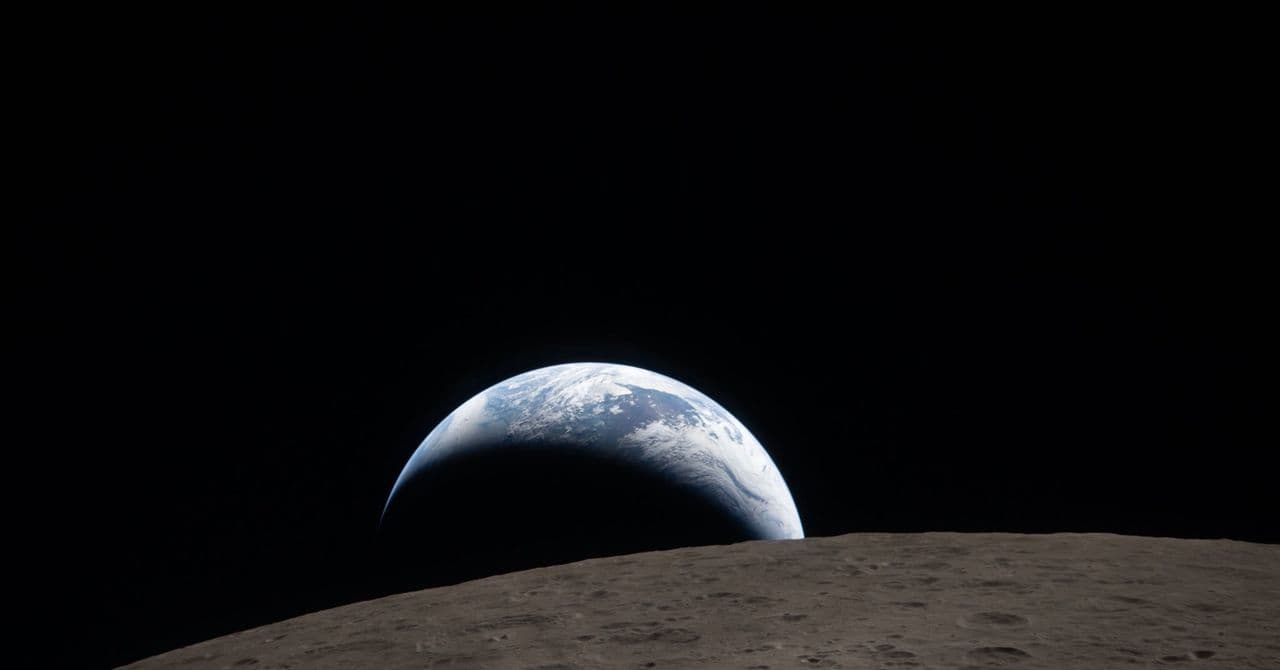
In addition to daily life footage, the mission produced something extraordinary: the first close-up images of the lunar far side. This is the hemisphere that permanently faces away from Earth and had never been seen by humans up close until now. These images were captured just 7,000 kilometers from the surface.
That distance allows for a detailed view of the moon’s cratered landscape. For context, the International Space Station orbits Earth at about 400 kilometers, so Artemis II was still at a considerable distance from the lunar surface. However, it was much closer than any Apollo-era camera captured from this perspective. The images confirm that NASA’s systems worked well enough to bring humans to the moon and back, a crucial milestone before Artemis III attempts an actual lunar landing.
According to Wired, these photographs from Artemis II signal that NASA is truly ready to send astronauts back to the lunar surface.
A Successful Splashdown
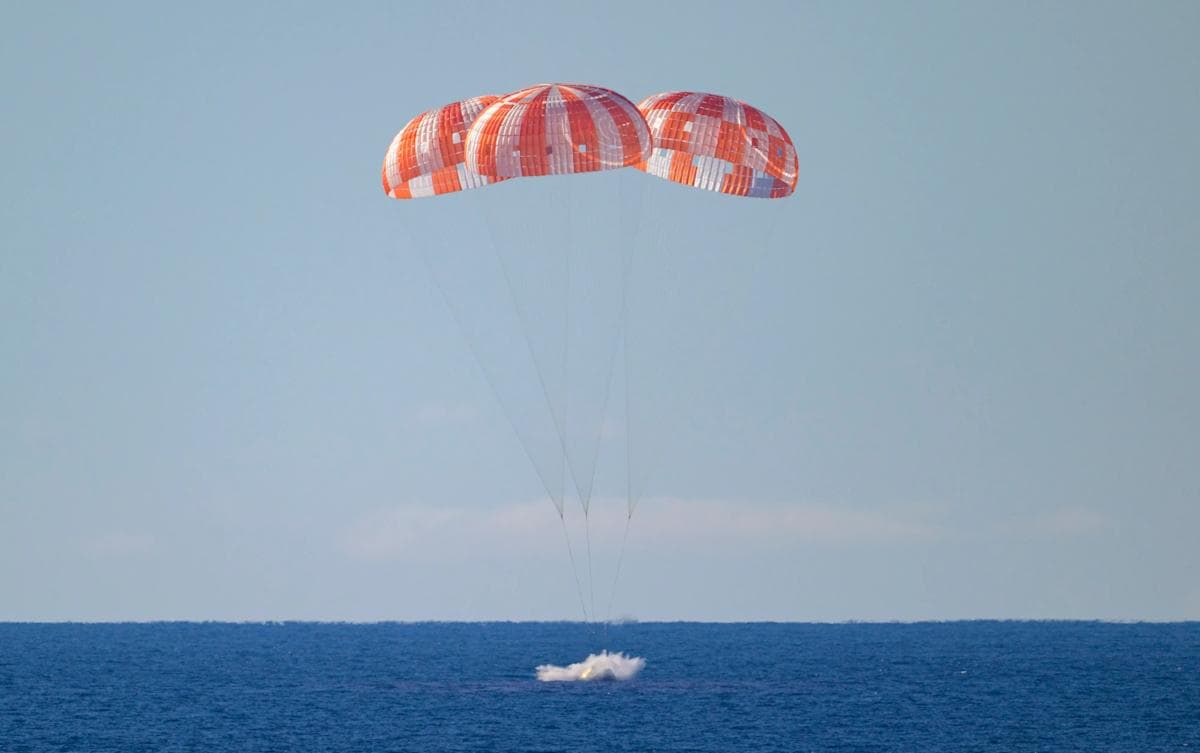
The mission concluded with a safe splashdown, marking what NASA described as a record-setting moon trip. This 10-day journey is the first time humans have ventured to lunar distances since Apollo 17 in December 1972, creating a gap of over 50 years.
The complete behind-the-scenes tour is documented by CNET, which explored how the four astronauts managed their daily lives aboard Orion throughout the mission.
| Metric | Detail |
|---|---|
| Mission Duration | 10 days |
| Crew Size | 4 astronauts |
| Closest Lunar Approach | ~7,000 km from the surface |
| Last Human Lunar Mission | Apollo 17, December 1972 |
| Gap Since Last Crewed Lunar Trip | Over 50 years |
| Mission Outcome | Successful splashdown |
What This Means
For many, the main takeaway from Artemis II is clear: NASA just demonstrated it can send humans to the moon and bring them back safely. This opens the door for Artemis III, which aims to land astronauts on the lunar surface, including the first woman and the first person of color to walk on the moon.
The spacecraft tour also makes space travel feel more human. It shows how cramped the quarters are, how makeshift the exercise routine appears, and how much thought goes into something as simple as sleeping in zero gravity. This gives viewers a real sense of the challenges faced by those who fly these missions, not just in terms of money but also in physical endurance.
This mission also sends a strong message to the commercial space sector. A successful crewed lunar flyby backs up the Orion and Space Launch System hardware after years of delays and cost overruns. This strengthens NASA’s stance in ongoing discussions about the U.S. approach to future deep-space exploration.
What People Are Saying
“The part where they showed the sleeping setup genuinely surprised me. I expected something more sophisticated after all these years. It’s basically seatbelts and a blanket.”
— u/orbital_mechanics_fan, Reddit r/space
“Those far side moon photos are legitimately unreal. 50 years and we finally have humans out there with modern cameras. This is the content I needed today.”
— YouTube comment on NASA’s official mission highlights video
What To Watch
- Artemis III planning updates: With Artemis II a success, NASA is likely to ramp up public communications around the crewed lunar landing mission. Expect timeline announcements in the coming months.
- Full mission data release: NASA usually releases detailed telemetry (sensor data collected during the flight) and imagery packages after crews debrief. Higher-resolution versions of those far side moon photos are probably on the way.
- Crew health assessments: Post-mission medical evaluations will contribute to research on how extended spaceflight affects the human body. This data directly influences how future long-duration missions, including eventual Mars trips, are planned.

Maya Torres
Maya Torres is the Consumer Tech Editor at Explosion.com with 7 years covering product launches for major technology publications. She has reviewed over 300 devices across smartphones, laptops, wearables, and smart home products. Maya specializes in translating spec sheets into real-world buying advice and attends CES, MWC, and Apple keynotes as press. Her reviews focus on helping readers decide what to buy, not just what specs look good on paper.